




Ta Van Village: A serene escape into Vietnam’s rural heartland
Located in the picturesque Muong Hoa Valley, Ta Van is known for its serene landscapes, terraced rice fields, and the unique traditions of ethnic minority groups like the Giay and Hmong. Far from the tourist crowds, this peaceful village offers authentic homestay experiences, scenic trekking routes, and a glimpse into the simple yet rich rural life of northern Vietnam.
An insight into Ta Van Village - The serene gem of Sapa
Nestled in the heart of the Muong Hoa Valley, Ta Van Village is a serene escape from the bustling streets of Sapa, Vietnam. Located approximately 7-12 kilometers from Sapa town, this picturesque village is a haven of natural beauty and cultural richness. The village, leaning against the majestic Hoang Lien Son mountain range and bordered by the tranquil Muong Hoa stream, is renowned for its lush terraced rice fields, rustic stilt houses, and warm hospitality.
.png?1745484929121)
Ta Van Village is a serene escape from the bustling streets of Sapa, Vietnam (Source: Trekking tour Sapa)
Historically, Ta Van Giay is the village where the Giay ethnic group has lived for over 300 years. According to the elders, the earliest family here was the San family, followed by the Vang family, Lu family, and others. Locals in Lao Cai once called this village "Muong Va", meaning "arm span". Legend suggests that only the Tay ethnic group lived here in the past, giving the village its name, and there is still a hilltop called "pom mo da tay," meaning the hill of Tay's tomb.
While primarily home to the H'Mong ethnic group for a long time, Ta Van Village is also inhabited by the Red Dao and Giay people. The village retains its authentic character, with daily life centered around rice farming and livestock, not heavily focused on tourism. Visitors are welcomed as guests, making it easy to immerse yourself in the simple, harmonious lifestyle. The natural scenery, including lush mountains, murmuring streams, and birdsong, adds to the peaceful atmosphere.
What makes Ta Van Village worth exploring?
Ta Van Village Sapa Vietnam offers a variety of attractions that allow visitors to experience the local culture, admire the stunning natural landscape, and find moments of tranquility.
Majestic terraced fields
One of the most prominent and stunning features of this place is its terraced fields. These fields, shaped by the hands of ethnic people over many years, wind along hillsides and mountainsides, stretching as far as the eye can see. Combined with the majestic, lush green mountain scenery, the terraced fields create a powerful and beautiful natural landscape. Standing here, surrounded by vast nature and breathing in the fresh, unspoiled mountain air, provides a sense of returning to a primitive place untouched by industry and the rush of city life.
.jpg?1745484955018)
Stunning features of Ta Van Village is its terraced fields (Source: Vietnam Online)
The terraced fields here are beautiful in every season. During the season when villagers irrigate the fields, the terraces resemble giant silver-white mirrors reflecting the mountain scenery. In the summer, the fields are a vibrant green with young rice plants. Autumn is the golden season, the harvest season, when many visitors come to Ta Van to see the shimmering yellow rice fields that promise a bountiful harvest. If you visit in spring, you'll see ancient houses interspersed with the pink of peach blossoms and the white of plum and pear blossoms. In winter, Ta Van covered in white snow feels like a pure, unspoiled plain.
May Bridge and Muong Hoa Stream: A symphony of nature and tranquility
May Bridge (Cau May) is a rustic suspension bridge crafted from rattan ropes and wooden planks, gracefully spanning the poetic Muong Hoa Stream. Once the sole connection between Ta Van and Sapa, it now serves as a charming attraction for visitors. Crossing the bridge, especially amidst early morning mist, evokes the sensation of walking through clouds.
.jpg?1745484973673)
May Bridge is a rustic suspension bridge gracefully spanning the poetic Muong Hoa Stream (Source: Lu Hanh Viet Nam)
Below, Muong Hoa Stream meanders gently, flanked by ancient trees and terraced fields, creating a serene and picturesque landscape. This tranquil setting offers travelers a unique glimpse into the harmonious blend of nature and culture in Vietnam's northwest highlands.
Vibrant Ta Van Market: A blend of culture and color
The Ta Van Market, though smaller than Sapa’s larger markets, is a vibrant hub of culture. Nestled in the heart of Ta Van Village Sapa Vietnam, this local market buzzes with the energy of Hmong, Giay, and Red Dao women dressed in colorful traditional attire, selling handmade crafts, embroidered textiles, and unique souvenirs. Visitors can find intricately woven scarves, vibrant bags, and silver jewelry, each item reflecting the artisans’ heritage.
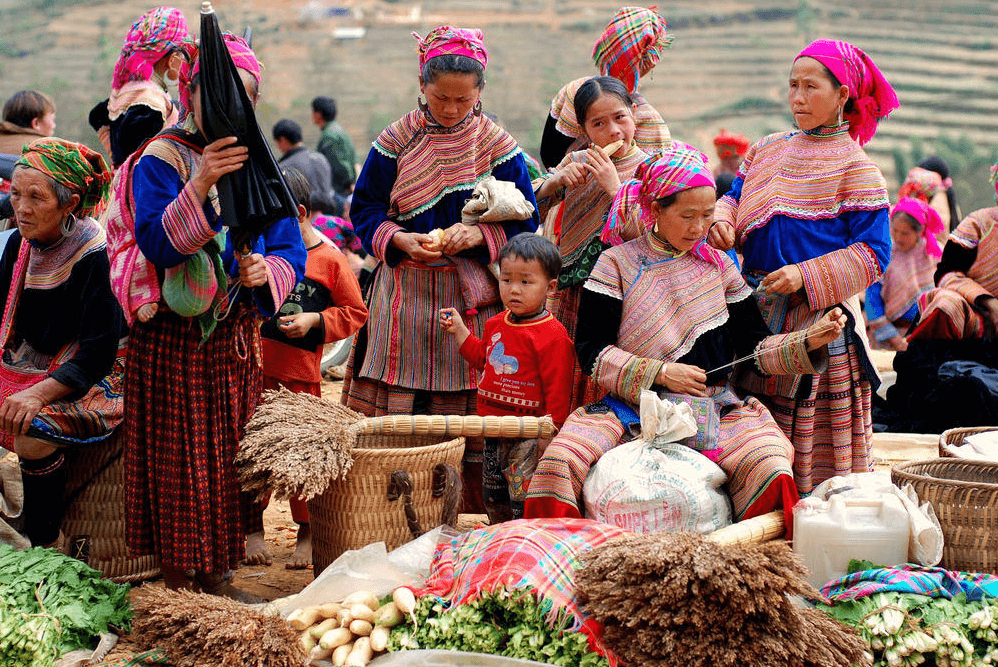
Hmong, Giay, and Red Dao women dressed in colorful traditional attire (Source: VinPearl)
The market offers a chance to engage with locals, practice friendly haggling, and support the community’s economy. Fresh produce, local snacks, and herbs add to the sensory experience, immersing you in the flavors of Northwest Vietnam. Open daily but liveliest on weekends, the market is a cultural gem where smiles and stories are exchanged as freely as goods, offering an authentic glimpse into daily life.
Authentic homes of ethnic minorities
The ancient houses along the roadside leave a lasting impression with their timeless charm. Although called ancient, they are built beautifully and kept clean and tidy by the residents. Notable for photography are the houses of Mr. Hoang Din and Mr. Lo A Muc, with Mr. Lo A Muc’s house, constructed in 1934, standing as a historic gem. Crafted from wood with earthen floors, these homes reflect traditional Giay architecture. Inside, a Pomu wood altar showcases the intricate, ancient spiritual designs, offering a glimpse into the rich cultural heritage of the ethnic community.
Ta Van Village cuisine: A taste of authentic mountain flavors
Exploring the local cuisine is an essential part of visiting any new destination. Visitors coming to this place can enjoy specialties of the Northwest mountainous region, which utilize unique local ingredients. The sources mention several delicious dishes you shouldn't miss.
- Grilled stream fish (Ca suoi nuong): Grilled stream fish, a beloved delicacy in the village, is freshly caught from the Muong Hoa stream and expertly grilled over open flames, delivering a smoky, tender flavor. This dish, often served with local herbs, is a must-try for visitors seeking an authentic taste of this area.
- Thang co: A Northwest Vietnam staple, is a fragrant horse meat and organs stew with 12 spices, simmered for hours and served with spicy Mường Khương chili sauce, offering a nutty, sweet taste.
- Suckling boar (Lon cap nach): These pigs, raised naturally and roams freely, foraging for wild vegetables, yielding firm, sweet, low-fat meat. Roasted with honey for a golden hue or grilled, this 10-20kg pig offers fragrant, non-greasy flavors.
- Grilled free-range chicken (Ga ban nuong): Free-range chickens in the mountains are raised by ethnic people, foraging on hills and mountains, resulting in firm, tough meat. Grilled chicken with salt and chili is mentioned as a tasty dish that is best eaten by hand. The meat is sweet, fragrant, and tender.
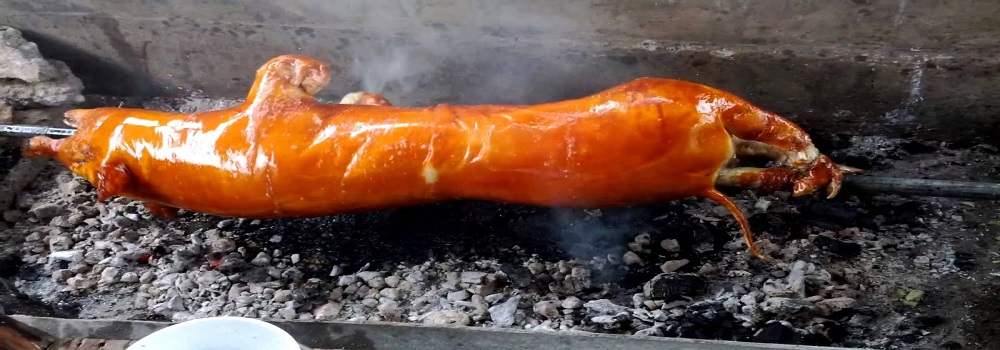
Lon cap nach roasted with honey for a golden hue or grilled (Source: Tripzone)
Tourism growth in Sapa Vietnam has spurred numerous restaurants and eateries, making it easy for visitors to find diverse dining options.
Festivals: A tapestry of joy and heritage
If you visit Ta Van Village, especially during spring, you can immerse yourself in the traditional festivals of the ethnic people. Participating in lively dances accompanied by the sounds of mouth organs (kèn lá) and flutes played by young men is described as a joyful experience. This is also a good opportunity to learn about the unique culture, traditions, and customs of the ethnic groups. In the evenings, many locals light bonfires and perform traditional cultural dances like bamboo dancing (nhảy sạp), fan dancing (múa quạt), and playing musical instruments.
.jpg?1745485041131)
Gau Tao Festival is a cultural highlight where locals pray for prosperity, health, and children (Source: Lao Cai tourism)
The Gau Tao Festival, a vibrant Hmong celebration in Ta Van Village Sapa Vietnam, held annually in spring (January to March), is a cultural highlight where locals pray for prosperity, health, and children. Featuring colorful traditional costumes, lively dances, and folk games like “con” throwing, it draws visitors to this spot for its rich heritage. This sacred festival, centered around a “neu” tree, fosters community unity and offers a glimpse into Hmong spirituality and traditions.
Explore the wonders surrounding Ta Van Village
There are several other notable attractions nearby that can enhance your trip.
Cat Cat Village: A cultural highland haven
Located about 3 km from Sapa town, Cat Cat Village is described as one of the most beautiful villages in Northwest Vietnam. Cat Cat Village captivates with its refreshing streams, precarious bridges, and traditional water mills, making it a gem in Northwest Vietnam. Like Ta Van Village, it offers numerous homestays, blending picturesque scenery with authentic Hmong culture, perfect for travelers seeking immersive experiences and breathtaking landscapes.
Read more: Your ultimate guide to Sapa: How to go to Cat Cat Village
A unique glimpse into highland life in Lao Chai Village
Located 7 km from Sapa town, closer than Ta Van Village Sapa Vietnam, Lao Chai Village preserves the rich traditions of its ethnic communities, offering a cultural experience. As a nearby attraction, it features the Ancient Stone Field within its commune, where mysterious carved stones add historical intrigue, making Lao Chai a must-visit destination for those exploring the vibrant heritage and scenic beauty of the Muong Hoa Valley.
Read more: Sapa trekking Lao Chai - Ta Van
Muong Hoa Valley: A distinctive highland paradise
Nestled in the Muong Hoa Valley, Ta Van Village overlooks the serene Muong Hoa Valley, offering breathtaking views of vibrant terraced fields and majestic mountains. Trekking here is the ideal way to immerse yourself in the valley’s colorful beauty, with scenic trails showcasing the lush landscapes and cultural charm of this iconic Northwest Vietnam destination.
.jpg?1745485106002)
Serene Muong Hoa Valley offers breathtaking views of vibrant terraced fields and majestic mountains (Source: VinWonders)
The enigmatic beauty of the Ancient Stone Field
Ancient Stone Field in Ta Van Village is a fascinating archaeological site spanning 8 square kilometers. Discovered in 1925, it features nearly 200 uniquely shaped stone blocks with carvings of steps, human figures, paths, and mysterious writings. Recognized as a national relic, it’s a unique heritage of ancient Vietnamese culture, though the origins and meanings of the carvings remain undeciphered despite extensive study.
Essential tips for visiting Ta Van Village
Planning your trip to Ta Van Village Sapa Vietnam requires some preparation to ensure a smooth and enjoyable experience. You can consider the following suggestions.
Ta Van Village entrance fee
This place charges an entrance fee of 75,000 VNĐ for adults and 30,000 VND for children, with kids under 6 entering free, to support villagers and maintain roads. Ticket checks may be lax during bad weather, midday, or for taxi arrivals, and claiming to visit a specific household might bypass the fee.
Best time to visit Ta Van Village
Visit Ta Van Villages from April to August for sunny summer weather, ideal for exploration, or November to January for trekking amid yellow paddy fields and white peach blossoms. Terraced fields dazzle year-round: silver when irrigated, green in summer, golden in autumn, snowy in winter, and blooming with peach, plum, and pear blossoms in spring. Winters are cold, while spring and summer are warmer, with high mountains cooler than lowlands. Check the weather forecast before traveling.
How to get around
It is about 12 km or 20 km from Sapa town center. You can reach it by car or motorbike.
.png?1745485140207)
The path is now paved to the center of the village, making it easier to walk (Source: VinWonders)
- Motorbike: Renting a motorbike offers flexibility to enjoy Ta Van’s scenery, but the winding, bumpy roads demand confident driving skills. You can self-rent, arrange through your Sapa hotel, or hire a motorbike taxi for a safer ride. Renting a motorbike costs around 100,000-150,000 VNĐ ($4-$6 USD) per day.
- Car/Taxi: If using a car, it is recommended to use vehicles under 16 seats, as larger cars are not allowed into the village. While safer, you might have fewer opportunities to stop for photos compared to a motorbike. Renting a car with a driver in Sapa for a day trip about 10 km costs around 600,000-1,000,000 VNĐ for a 4-seater, depending on itinerary and stops.
- Trekking/Walking: Walking to Ta Van allows you to enjoy the scenery of Muong Hoa Valley and take photos along the way. While potentially tiring, the journey is described as rewarding upon reaching the destination. The path is now paved to the center of the village, making it easier to walk.
- Tour packages: For those on all-inclusive Sapa tours, transportation, drivers, and guides are typically provided.
The route from Sapa town often goes via May Bridge street, then along the Muong Hoa Stream. After the end of Sapa town, you'll reach a ticket checkpoint, from where you will be directed to Ta Van. Note that there are many paths in Sapa now, branching off to different villages.
Costume rental price
Costume rental prices in this region vary based on type and quality, generally ranging from 50,000 to 150,000 VND per day. It's essential to confirm prices, availability, and rental conditions directly with the shop before finalizing your rental to avoid any misunderstandings or unexpected charges.
Other tips for Ta Van travelling
- Food prices in Ta Van can be relatively high. For budget travelers or those cooking for themselves, it might be better to bring food or return to Sapa town for meals. For example, a grilled chicken weighing about 2kg cost 500,000 VND.
- Prepare warm clothing, especially if visiting during winter, as temperatures in the mountains can be very cold.
- If you are prone to motion sickness, consider taking motion sickness medication or choosing a motorbike for transportation, as the road to Ta Van is winding.
- The terrain in Ta Van is mostly mountainous with many streams and uneven roads. It is advisable to travel in a group and stay close together for safety and mutual assistance in case of incidents.
If you're unsure how to plan your trip, let Asia Pacific Travel be your trusted companion. With over 20 years of experience since our founding in 2002, we specialize in creating thoughtfully designed itineraries, thrilling adventures, and providing 24/7 support. Proudly ranked among Vietnam’s top travel agencies, we offer a diverse selection of unforgettable tours that showcase the beauty, culture, and charm of each destination. Let us make your journey truly memorable!
Ta Van Village is described as a destination that retains its peaceful beauty and traditional atmosphere, less affected by intense tourism compared to some other areas. It offers a chance to experience a simpler way of life and connect with nature and the friendly, genuine local people. Visiting Ta Van is undoubtedly highlighted as a worthwhile experience for anyone exploring Sapa!
Related Posts


.jpg)