

Cai Luong – Vietnam’s soulful traditional art form
Originating from southern Vietnam and flourishing for over a century, cai luong serves as a bridge between the past and the present, bringing everyday stories and heartfelt emotions of the Vietnamese people closer to audiences. In this article, we will explore cai luong, from its origins, key genres, and distinctive characteristics to the best places where you can experience this unique and captivating art form.
What is Cai Luong Vietnam? Its origins and development
Cai luong is a traditional Vietnamese stage art that combines singing, acting, and live music. The term “cai luong” means “reformed theater”, reflecting its origin as a modern take on older folk music and performance styles. It was created to offer a more expressive and emotionally rich form of storytelling.
This distinctive genre began in southern Vietnam in the early 20th century. It grew out of don ca tai tu - a form of southern folk chamber music that UNESCO has recognized as Intangible Cultural Heritage. Over time, cai luong Vietnam evolved into a full theatrical art form, known for its lyrical dialogue, heartfelt performances, and deep emotional resonance with Vietnamese audiences.

Cai Luong performance in Vietnam (source: Bao Dan toc va Phat trien)
A major turning point came on November 16, 1918, when the play Gia Long Tau Quoc (Emperor Gia Long’s Escape) premiered at the Eden Theater in Saigon. This performance is considered the official birth of cai luong as a professional stage genre.
From the 1950s to the mid-1970s, cai luong entered its golden age. It became incredibly popular, with hundreds of performance troupes touring across southern Vietnam. After 1975, cai luong saw a decline in popularity due to changes in audience preferences and the rise of new entertainment forms. However, it never disappeared. The art form continued through television programs, community performances, national festivals, and ongoing preservation efforts.
Today, young artists and cultural groups are finding new ways to keep cai luong alive. By blending traditional elements with modern technology and fresh creative approaches, they are bringing cai luong Vietnam to new audiences and helping ensure its place in Vietnam’s cultural future.
Read more: Explore the Vibrant Culture of Central Vietnam
Key types of Vietnamese Cai Luong and its most iconic performances
When exploring Cai Luong, it is impossible to ignore the variety of styles and the iconic performances that have contributed to the art form’s lasting reputation. Vietnamese Cai Luong is not only a blend of singing, acting, and live music but also demonstrates flexibility and diversity in its expression and themes. Over time, cai luong has developed into multiple styles that reflect different historical periods and audience preferences.
One of the main styles is classical cai luong, which often draws on historical tales, legends, or royal themes. These productions feature elaborate costumes and poetic dialogue, heavily influenced by traditional Vietnamese opera (tuong) and elements from Chinese theater.
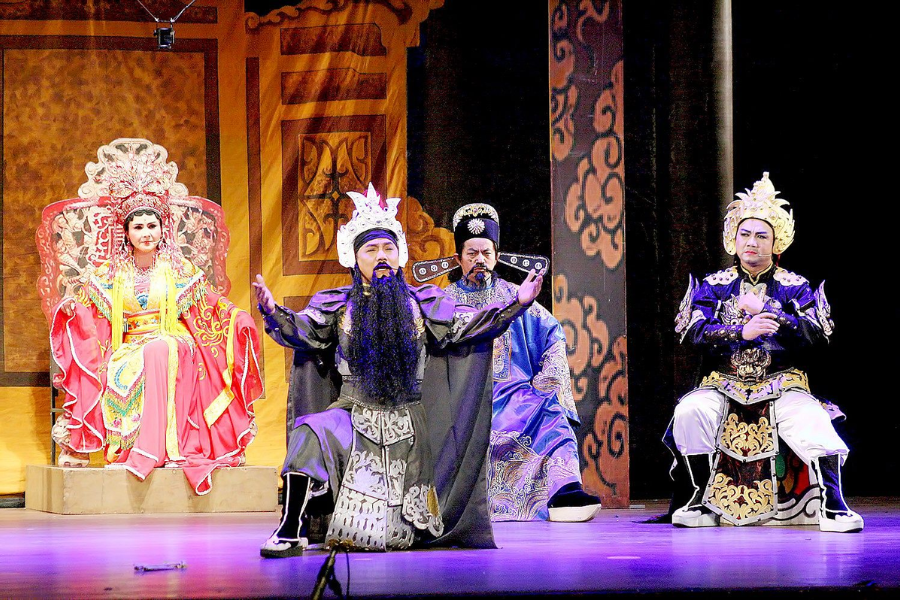
There are many iconic performances of Cai Luong (source: Saigoneer)
In contrast, modern cai luong focuses on contemporary social issues, everyday family conflicts, and relatable themes. This style typically uses simpler staging and costumes, making it more accessible to a broader audience. Regardless of style, cải lương maintains its powerful emotional impact through expressive singing and deeply human stories.
Throughout its history, cai luong Vietnam has produced many classic plays beloved by generations of audiences. Works such as To Anh Nguyet, which tells a deeply moving story of maternal love, Doi Co Luu, depicting the trials and inner strength of a woman, Tieng Trong Me Linh, an epic recounting the heroic legend of the Trung Sisters, and Lan va Diep, a tragic and romantic love story, all stand as testaments to the enduring vitality of cải lương. These performances are not merely entertainment but essential cultural treasures that vividly reflect the spirit and emotional life of the Vietnamese people.
What makes Cai Luong so special?
Cai luong is more than just a type of theater, it’s a heartfelt expression of Vietnamese culture, especially in the southern regions. There are a few unique features that make cai luong easy to recognize and have helped it stay alive through many generations. First, cai luong is known for its perfect blend of singing and acting. Unlike regular plays where actors mainly speak, cai luong performers must sing while acting, using their voices to show all the emotions their characters feel.
One of the most special parts of Vietnamese cai luong is the singing style called vong co. It's a slow, gentle, and emotional way of singing that really brings out the feelings and soul of the characters. Singers stretch and carry their notes in a smooth, flowing way, allowing the audience to truly feel the happiness, sadness, or deep inner struggles of the story.

Authentic expressions and vibrant costumes are the soul of every cai luong performance, bringing emotional and vivid stories to life for the audience (source: Ap Bac news)
The music is also unique, usually accompanied by traditional Vietnamese instruments like the dan tranh (16-string zither), dan nguyet (moon lute), and dan nhi (two-string fiddle), creating a sound that’s rich, warm, and distinctly Vietnamese.
Cai luong stories come in many forms too. Sometimes they tell fairy tales, legends, or historical events. Other times, they focus on everyday life, sharing stories that people can easily relate to. The sets, costumes, and dialogue reflect the region and era of the performance, giving each show its own special flavor. More than just entertainment, cai luong often carries meaningful lessons and shows the hopes, struggles, and traditions of the Vietnamese people.
Where can visitors watch Cai Luong?
For travelers eager to experience cai luong, there are many opportunities to enjoy this captivating art form across Vietnam. Although cai luong originated in southern Vietnam, today it can be seen in various parts of the country, offering both locals and visitors a glimpse into this rich cultural tradition.
In major southern cities like Ho Chi Minh City, several theaters are dedicated to cai luong performances. The Cai Luong Theater in District 1 is one of the most famous venues, known for regularly staging both classic and modern plays. These performances showcase the full range of cai luong’s unique blend of music, acting, and storytelling, often featuring talented troupes who keep the tradition alive with passionate and skillful presentations. Another notable place is the Truong Son Cai Luong Theater, where you can enjoy lively productions that reflect the deep cultural heritage of the art form.
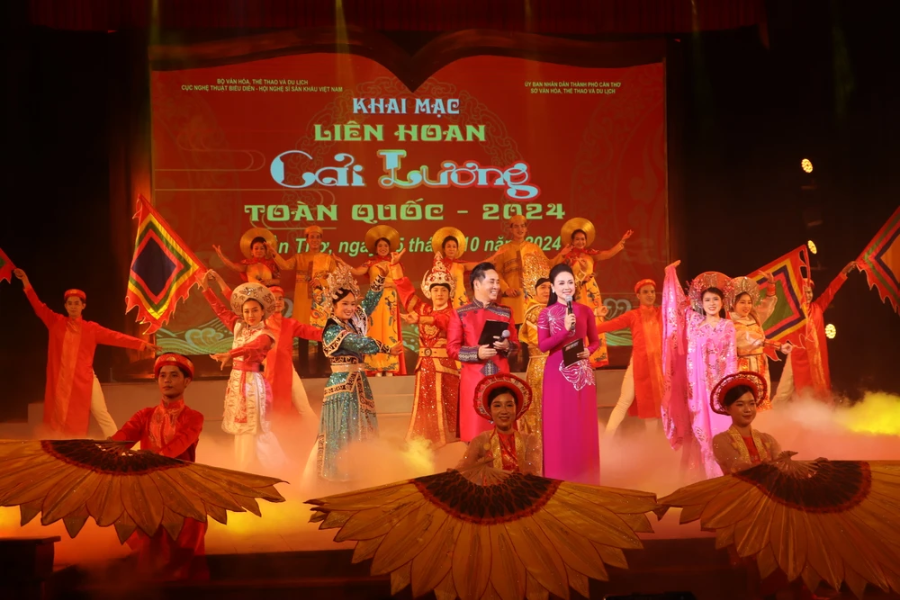
A vibrant celebration of Cai Luong National Festival, showcasing traditional costumes, lively performances, and the rich cultural heritage of Vietnam (source: PLO)
Beyond the big cities, Vietnam cai luong thrives in local communities and rural areas, especially in the Mekong Delta region. Here, cai luong is often performed during festivals, religious ceremonies, and special celebrations such as Lunar New Year (Tet). These community performances offer a more intimate experience, giving audiences a chance to see how cai luong remains a living, breathing part of daily life. Watching cai luong in these settings allows visitors to feel the close connection between the art and the people who cherish it.
Read more: Discover Hanoi Opera House - Where music and art converge

Mekong Delta (source: Vietnam tour)
For travelers interested in immersing themselves in this cultural experience, the Three days Mekong Delta Tour (3 days 2 nights) from Asia Pacific Travel is an excellent choice. This tour takes you deep into the heart of the Mekong Delta, where you can enjoy traditional cai luong performances in authentic local settings. Along with exploring floating markets, river villages, and lush landscapes, you’ll have the unique chance to witness cai luong as part of the vibrant cultural life of the delta.
In addition to live shows, cai luong has adapted to modern times through television broadcasts and online streaming platforms. National TV channels often air cải lương programs, bringing the performances directly into homes across Vietnam and even overseas Vietnamese communities. Some cai luong troupes also tour internationally, helping to introduce this unique Vietnamese cultural treasure to audiences around the world.
Despite many ups and downs, cai luong has maintained its vibrant life within Vietnamese hearts and is increasingly appreciated by younger generations. Experiencing cai luong not only deepens our understanding of traditional culture but also offers a profound emotional journey through each song and dialogue. If you have the chance, be sure to watch a live cai luong performance and fully immerse yourself in the beauty and heartfelt emotion of this remarkable art.
Related Posts
.jpg)

.jpg)