




Vietnam Weather Month by Month: A Complete Guide to the Best Time to Visit
Planning a trip to Vietnam and wondering what the weather will be like during your visit? Vietnam weather varies significantly from north to south, so choosing the right month can make a big difference to your travel experience.
From the cool, misty winters of Northern Vietnam to the sunny beaches of Central Vietnam and the tropical climate of the South, there is always somewhere worth visiting throughout the year.
This Vietnam weather month by month guide will help you understand Vietnam's climate, decide when to visit different regions, and plan your itinerary with confidence.
Vietnam Weather Overview
Vietnam has three main climatic regions: Northern Vietnam, Central Vietnam, and Southern Vietnam.
- Northern Vietnam: Four distinct seasons, with cool winters and hot, humid summers.
- Central Vietnam: Generally warm and sunny for much of the year, with a rainy season that varies by destination.
- Southern Vietnam: Warm and tropical year-round, with a dry season and a rainy season.
Generally, March to May offers some of the most favorable weather conditions across Vietnam, although the best time to visit depends on the destinations included in your itinerary.
Vietnam Weather Month by Month
January – Cool Weather in the North, Sunny in the South
January is one of the coolest months in Northern Vietnam. Hanoi, Halong Bay, Ninh Binh, and Sapa can be chilly, cloudy, and misty, especially in the mornings.
Central Vietnam is generally cooler and can experience rainfall, particularly around Hue and Hoi An.
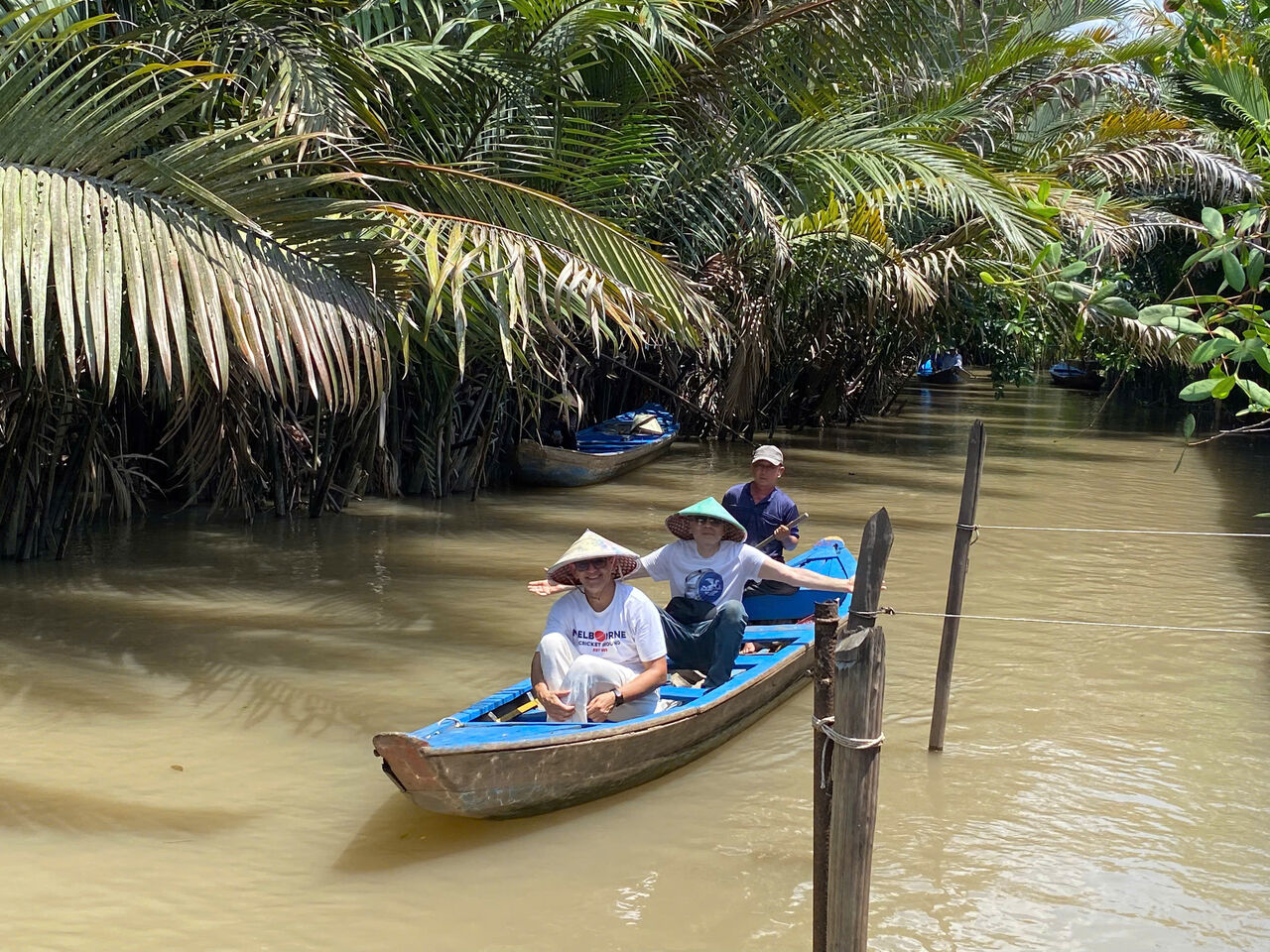
Meanwhile, Southern Vietnam enjoys warm and mostly dry weather, making January a great month for visiting Ho Chi Minh City, the Mekong Delta, and Phu Quoc.
Best places to visit in January:
Ho Chi Minh City, Mekong Delta, Phu Quoc, Hanoi, Ninh Binh
Travel tip: Pack layers if you are traveling through Northern Vietnam.
February – Pleasant Spring Weather
February brings gradually improving weather across much of Vietnam.
Northern Vietnam remains cool, while Central Vietnam becomes increasingly pleasant. Southern Vietnam continues to enjoy warm, sunny conditions.
February is also an important month for Tet, Vietnam's Lunar New Year, when cities and towns across the country become especially lively. However, travelers should plan ahead because transportation and accommodation can be busy during the holiday period.
Best places to visit in February:
Hanoi, Ninh Binh, Hoi An, Da Nang, Ho Chi Minh City, Phu Quoc

(Source: Cozy Travel)
March – One of the Best Months to Visit Vietnam
March is widely considered one of the best months for traveling around Vietnam.
Northern Vietnam starts becoming warmer, while Central Vietnam often enjoys comfortable temperatures and clearer skies. Southern Vietnam remains warm and relatively dry.
For travelers planning a Vietnam North to South itinerary, March offers a good balance of weather across the country. Hoi An, in particular, is known for pleasant conditions during this period.
Best places to visit in March:
Hanoi, Halong Bay, Ninh Binh, Hue, Hoi An, Da Nang, Ho Chi Minh City, Mekong Delta

(Source: Venus Travel)
April – Warm and Sunny Across Many Destinations
April is another excellent month for Vietnam travel.
Northern destinations become warmer and sunnier, while Central Vietnam is generally dry and suitable for sightseeing. Southern Vietnam remains hot, with relatively dry conditions continuing into the month.
April is a particularly good time for combining cultural attractions, outdoor activities, beaches, and nature experiences in one itinerary.
Best places to visit in April:
Hanoi, Halong Bay, Ninh Binh, Hue, Hoi An, Da Nang, Phu Quoc
Travel tip: Temperatures can rise significantly, so sunscreen, light clothing, and plenty of water are recommended.
.jpg?1788162128861)
May – Hotter Weather and the Beginning of the Rainy Season
May marks the transition toward hotter and more humid conditions.
Northern and Southern Vietnam can experience increasing rainfall, while Central Vietnam often remains relatively sunny and suitable for beach holidays.
For travelers who want to visit several regions, May can still be a good month, but it is important to allow some flexibility in the itinerary.
Best places to visit in May:
Hoi An, Da Nang, Hue, Nha Trang, Halong Bay, Phu Quoc
.jpg?1788162152382)
June – Hot, Humid, and Perfect for Central Vietnam Beaches
June brings summer conditions to Vietnam.
Northern Vietnam is hot and humid, with more frequent rain and thunderstorms. Halong Bay can experience tropical storms during the summer months, which may occasionally affect cruise operations.
Central Vietnam, however, is generally a strong choice in June, particularly for travelers looking for beaches and outdoor activities.
Best places to visit in June:
Da Nang, Hoi An, Hue, Nha Trang, Halong Bay
Travel tip: For outdoor sightseeing, start your activities early in the morning and take breaks during the hottest part of the day.
July – Best for Central Vietnam Beaches
July is hot and humid across much of Vietnam.
Central Vietnam is often one of the best regions to visit during this month, with sunny weather and excellent beach conditions in destinations such as Da Nang and Nha Trang.
Northern Vietnam experiences frequent rain, while Southern Vietnam is in its rainy season.
Best places to visit in July:
Da Nang, Hoi An, Nha Trang, Hue

August – Green Landscapes and Rice Terraces
August remains hot and humid, with rainfall common in many parts of the country.
For nature lovers, Northern Vietnam can be particularly rewarding. Sapa's rice terraces become lush and vibrant during this period, creating beautiful mountain scenery.
Central Vietnam can still be suitable for beach holidays, while Southern Vietnam continues to experience tropical showers.
Best places to visit in August:
Sapa, Northern Vietnam, Da Nang, Hoi An, Nha Trang
September – Cooler Weather Begins in the North
September marks the beginning of a more comfortable season in Northern Vietnam.
Hanoi becomes cooler and more pleasant for sightseeing, while Northern mountain destinations offer beautiful landscapes.
Central Vietnam begins moving toward its wetter period, so travelers should monitor the weather if visiting Hue, Hoi An, or Da Nang.
Southern Vietnam remains warm with regular rainfall.
Best places to visit in September:
Hanoi, Sapa, Ha Giang, Ninh Binh
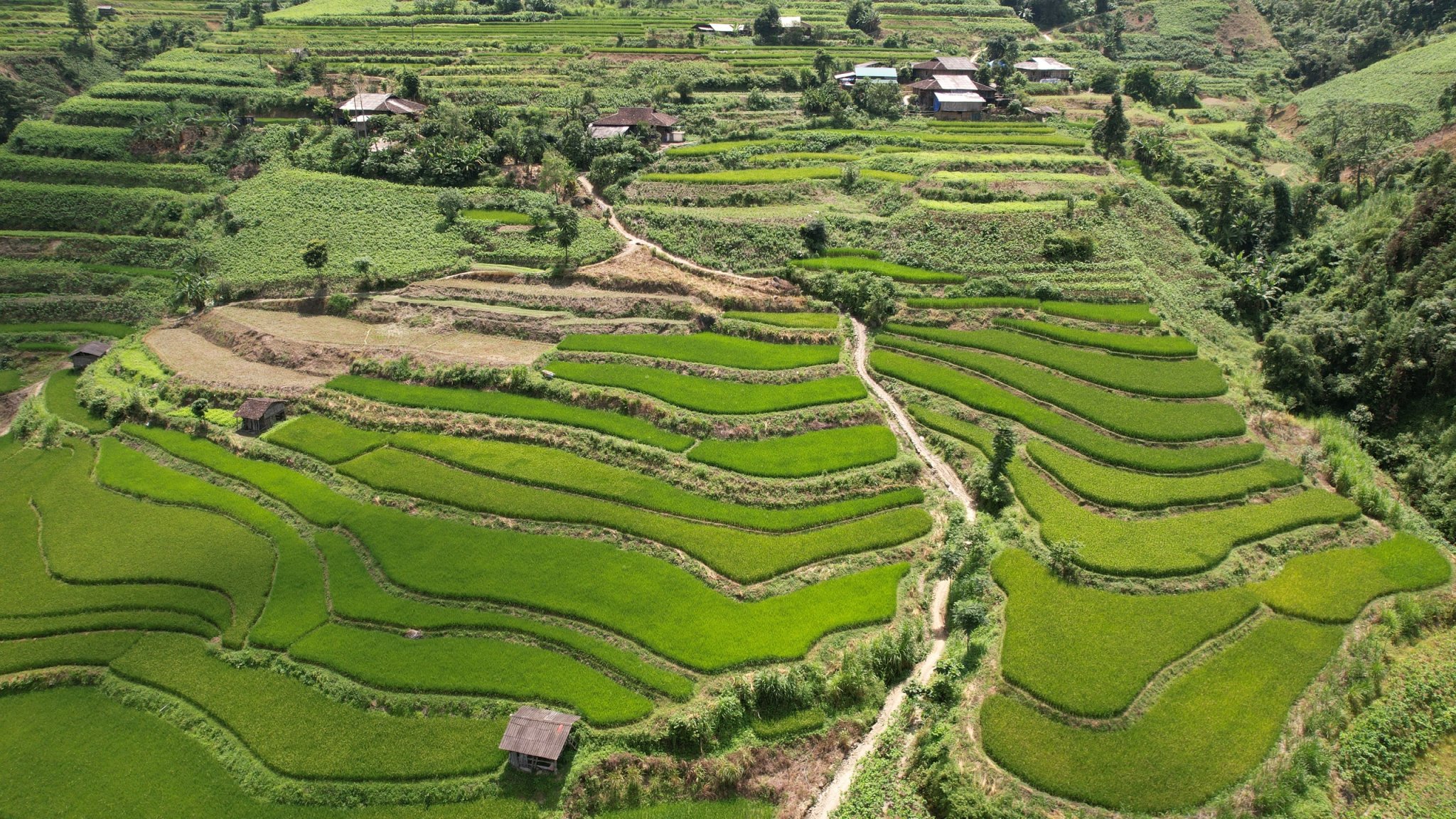
October – Excellent for Northern Vietnam
October is one of the most attractive months for exploring Northern Vietnam.
The weather becomes cooler and generally more comfortable for trekking, cycling, sightseeing, and outdoor activities. Sapa and other northern mountain areas are particularly beautiful around harvest season.
Central Vietnam, however, enters a wetter period, and heavy rain or storms can occur.
Best places to visit in October:
Hanoi, Ninh Binh, Halong Bay, Sapa, Ha Giang
November – Cool North, Warm South
November is another excellent month for a Vietnam trip, especially if you are focusing on Northern and Southern Vietnam.
Northern destinations enjoy cooler and relatively dry conditions. Meanwhile, Southern Vietnam begins moving toward its more favorable dry season.
Central Vietnam can still experience considerable rainfall, particularly around Hue and Hoi An.
Best places to visit in November:
Hanoi, Ninh Binh, Halong Bay, Ha Giang, Ho Chi Minh City, Mekong Delta
December – Winter in the North, Tropical Sunshine in the South
December brings cooler weather to Northern Vietnam, with mist and cloudy days possible in Hanoi, Halong Bay, and Sapa.
Central Vietnam can remain wet, while Southern Vietnam generally enjoys warm and sunny weather.
For travelers looking for a tropical escape at the end of the year, Phu Quoc is an excellent option, with its dry season beginning in the latter part of the year.
Best places to visit in December:
Hanoi, Halong Bay, Sapa, Ho Chi Minh City, Mekong Delta, Phu Quoc
Vietnam Weather by Region
Understanding regional differences is more important than simply looking at the weather for the whole country.
Northern Vietnam
Best period: March–April and September–November
Northern Vietnam has the most noticeable seasonal changes. Winter can be cool and misty, while summer is hot, humid, and rainy.
Popular destinations include Hanoi, Halong Bay, Ninh Binh, Sapa, and Ha Giang.
Central Vietnam
Best period: March–August, depending on the destination
Central Vietnam generally has a warmer climate. The dry and sunny season is ideal for exploring Hue, Da Nang, Hoi An, and Nha Trang, while the later months can bring heavier rain and storms.
Southern Vietnam
Best period: December–April
Southern Vietnam remains warm throughout the year. The dry season is generally sunny, while the rainy season from around May to November typically brings short but sometimes heavy afternoon showers.
Popular destinations include Ho Chi Minh City, the Mekong Delta, and Phu Quoc.
When Is the Best Time to Visit Vietnam?
There is no single month that is perfect for every destination in Vietnam.
If you want to travel from North to South, March to May is generally one of the most favorable periods to consider.
For Northern Vietnam, consider September to April for cooler weather and more comfortable sightseeing.
For Central Vietnam, March to August is generally a good period for sunny weather, beaches, and outdoor activities.
For Southern Vietnam, December to April is usually the best period for dry and sunny conditions.
The most important factor is therefore not simply “When should I visit Vietnam?” but rather “Which parts of Vietnam do I want to visit?”
What to Pack for Vietnam Weather
Your packing list should depend on both the season and the regions you are visiting.
For hot and humid months:
- Lightweight, breathable clothing
- Sunscreen
- Sunglasses and a hat
- Comfortable walking shoes
- Reusable water bottle
For the rainy season:
- Compact umbrella or rain jacket
- Waterproof bag for electronics
- Quick-drying clothes
- Shoes suitable for wet conditions
For Northern Vietnam in winter:
- Light jacket or warm layers
- Long trousers
- Comfortable shoes
- A warmer jacket if visiting Sapa or other mountainous areas
Plan Your Vietnam Trip with Asia Pacific Travel
Vietnam's diverse climate means that every season can offer a different travel experience. Whether you want to explore the historic streets of Hanoi, cruise through Halong Bay, cycle through the countryside of Hoi An, or discover the waterways of the Mekong Delta, choosing the right destinations for your travel dates is key.
Looking for more inspiration and practical travel information? Explore our Ultimate Vietnam Travel Guide for destination ideas, transportation, food, visa information, weather, and suggested itineraries.
Ready to plan your Vietnam adventure?
Visit Asia Pacific Travel to discover Vietnam tours and tailor-made travel experiences designed around your interests and travel dates.
Related Posts

.png)
.png)