

Ultimate Vietnam Travel Guide: Everything You Need to Know Before Your Trip
Vietnam is a fascinating destination where ancient traditions, spectacular landscapes, vibrant cities, and world-famous cuisine come together. From the charming streets of Hanoi and the limestone karsts of Halong Bay to the lantern-lit alleys of Hoi An and the waterways of the Mekong Delta, Vietnam offers an impressive variety of experiences for every type of traveler.
Whether you are planning your first visit or returning to explore more of the country, this ultimate Vietnam travel guide will help you understand where to go, when to visit, what to eat, how to get around, and how to plan your itinerary.
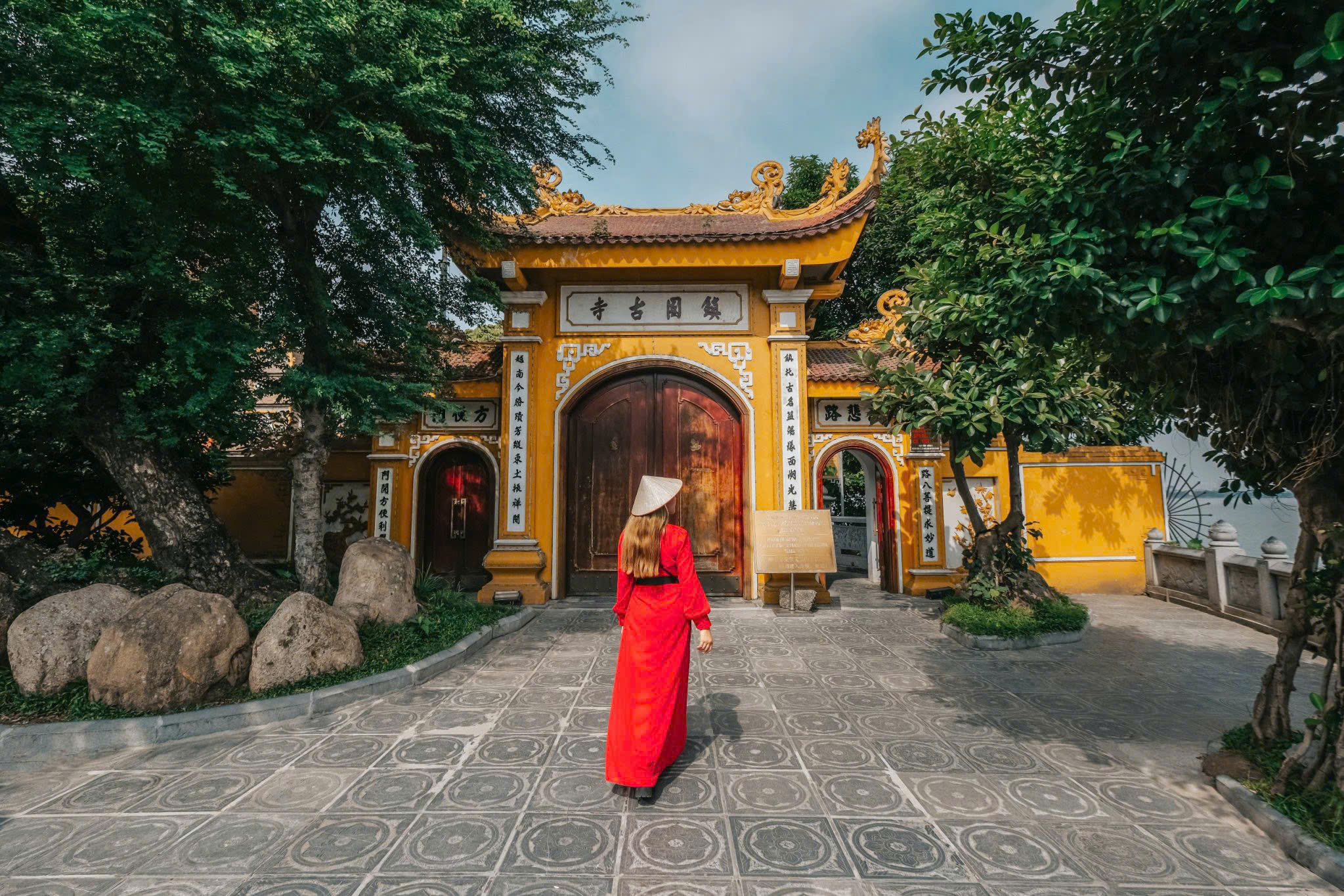
(Source: Cozy Vietnam Travel)
1. Where Is Vietnam?
Vietnam is located in Southeast Asia, bordering China to the north, Laos and Cambodia to the west, and the South China Sea to the east.
The country stretches for more than 1,600 km from north to south, which means the climate, scenery, culture, and cuisine can vary considerably between regions.
Vietnam is generally divided into three main travel regions:
Northern Vietnam
Northern Vietnam is known for dramatic mountain landscapes, traditional villages, historical attractions, and vibrant cities.
Top destinations include:
- Hanoi
- Halong Bay
- Ninh Binh
- Sapa
- Ha Giang
- Mai Chau
Central Vietnam
Central Vietnam combines imperial history, beautiful beaches, UNESCO-listed heritage sites, and traditional culture.
Top destinations include:
- Hue
- Da Nang
- Hoi An
- My Son
- Phong Nha
- Quy Nhon
Southern Vietnam
Southern Vietnam has a more tropical atmosphere, bustling cities, floating markets, and beautiful islands.
Top destinations include:
- Ho Chi Minh City
- Mekong Delta
- Cu Chi Tunnels
- Nha Trang
- Da Lat
- Phu Quoc
2. Best Time to Visit Vietnam
One of the most important things to know when planning a Vietnam trip is that there is no single best season for the entire country.
Because Vietnam stretches from north to south, weather conditions differ between regions.
Northern Vietnam
The best months to visit Hanoi, Ninh Binh, Halong Bay, and Sapa are generally October to April, when the weather is cooler and relatively dry.
Spring and autumn are particularly pleasant for sightseeing.
Central Vietnam
Central Vietnam is generally best visited from February to August, although weather varies depending on the destination.
Hoi An, Da Nang, and Hue are particularly popular during the warmer and drier months.
Southern Vietnam
For Ho Chi Minh City, the Mekong Delta, and Phu Quoc, the period from approximately November to April is generally favorable, with warmer temperatures and less rainfall.
Tip: If you are planning a trip covering the whole country, consider traveling during the transitional seasons and build some flexibility into your itinerary.
3. Top Places to Visit in Vietnam
Hanoi
Vietnam's capital is a wonderful introduction to the country.
The Old Quarter is filled with narrow streets, local restaurants, cafés, markets, and traditional shops. Around Hoan Kiem Lake, travelers can experience a more relaxed side of the city.
Things to do in Hanoi:
- Explore the Old Quarter
- Visit Hoan Kiem Lake
- See the Temple of Literature
- Visit the Ho Chi Minh Mausoleum complex
- Try Vietnamese egg coffee
- Explore local markets
- Enjoy a traditional water puppet show
- Discover Hanoi's street food
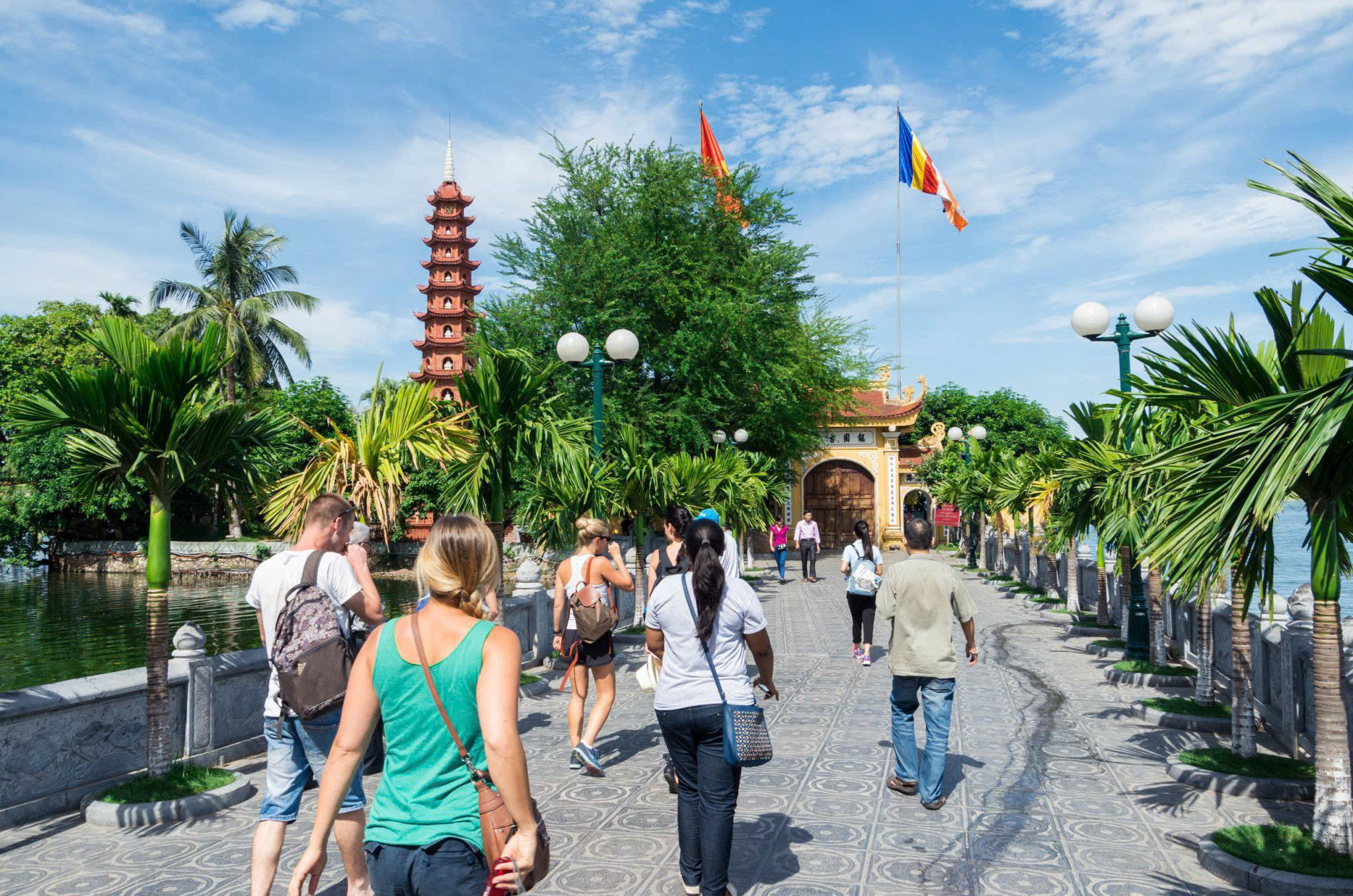
(Source: Cozy Vietnam Travel)
Halong Bay
Halong Bay is one of Vietnam's most iconic destinations, famous for its emerald waters and thousands of limestone islands and islets.
The best way to experience the bay is often an overnight cruise, allowing you to enjoy the scenery at a slower pace.
Typical cruise activities include:
- Kayaking
- Cave exploration
- Swimming
- Cooking demonstrations
- Sunset viewing
- Tai Chi
- Seafood meals onboard
For travelers who have limited time, a day cruise is possible, while a 2-day/1-night cruise provides a more immersive experience.
.jpg?1787045626902)
Ninh Binh
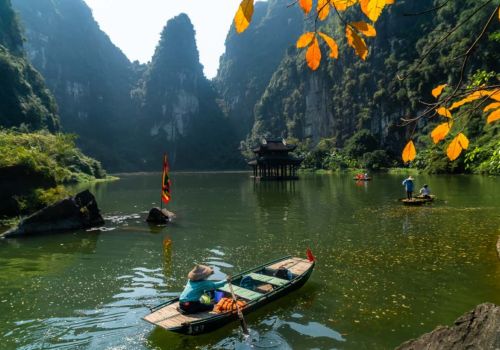
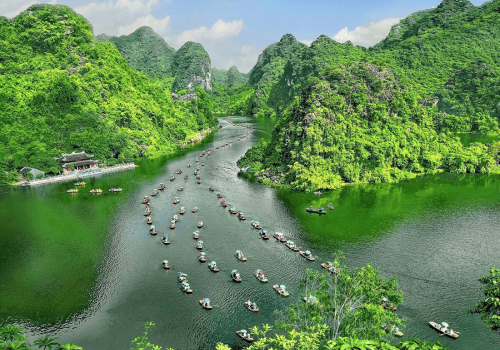
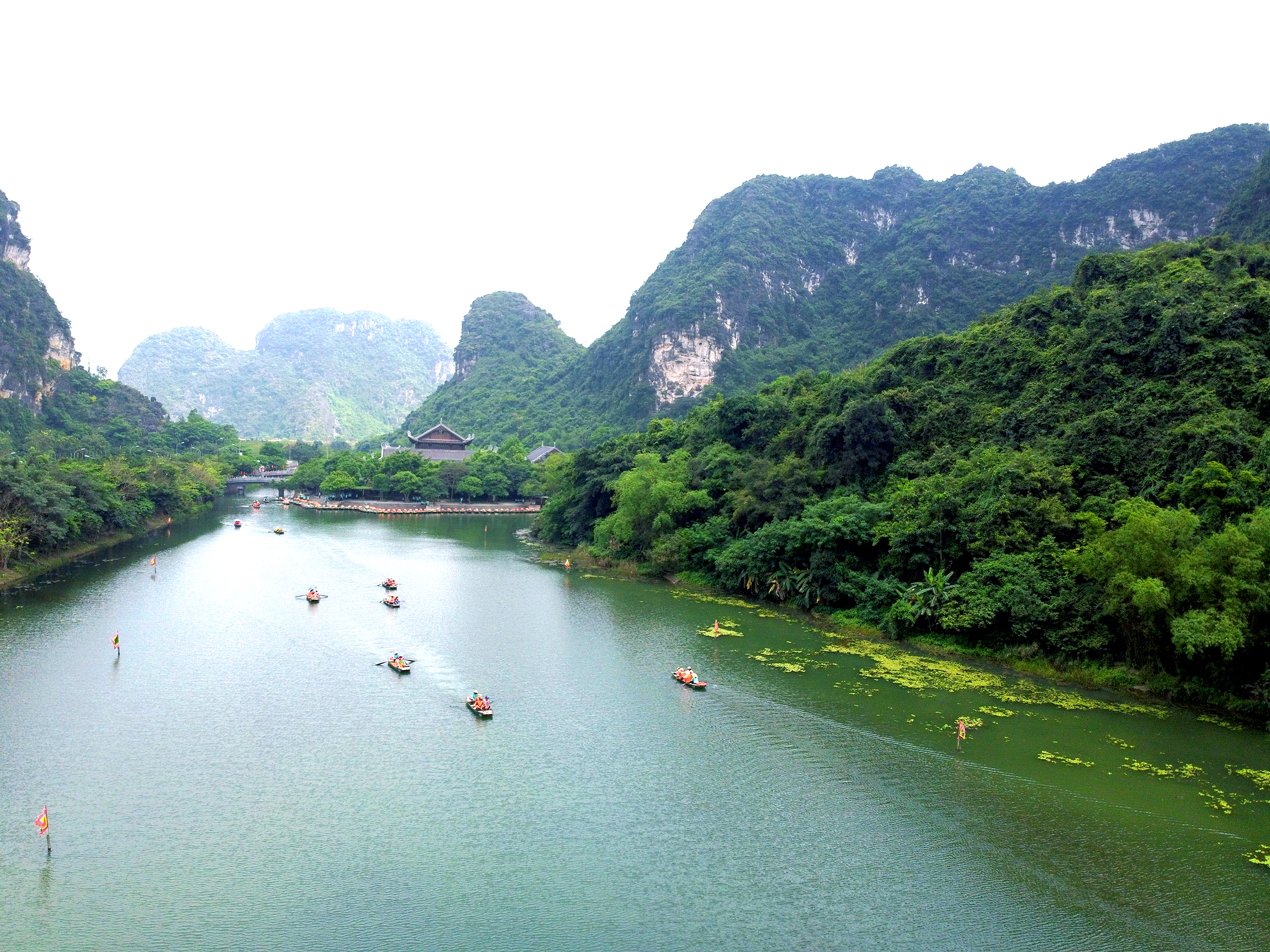
Often called “Halong Bay on land”, Ninh Binh is famous for towering limestone mountains, peaceful rivers, rice fields, and ancient temples.
Must-see attractions:
- Trang An
- Tam Coc
- Mua Cave
- Hoa Lu Ancient Capital
- Bai Dinh Pagoda
A boat trip through Trang An is one of the highlights of visiting the area.
Ninh Binh can easily be combined with Hanoi and Halong Bay in a short northern Vietnam itinerary.
Sapa and Northern Mountains
Sapa is famous for its spectacular rice terraces, mountain scenery, and ethnic minority communities.
Travelers can:
- Trek through mountain villages
- Visit rice terraces
- Meet local communities
- Explore Muong Hoa Valley
- Take the cable car to Fansipan
- Stay in a local homestay
For a more adventurous experience, Ha Giang offers dramatic mountain roads and spectacular viewpoints.
.jpg?1787045782722)
4. Hoi An – Vietnam's Charming Ancient Town
Hoi An is one of Vietnam's most atmospheric destinations.
The UNESCO-listed Ancient Town is famous for its yellow historic buildings, colorful lanterns, riverside cafés, tailor shops, and traditional architecture.
Things to do in Hoi An:
- Walk through the Ancient Town
- Visit the Japanese Covered Bridge
- Take a lantern boat ride
- Explore the night market
- Join a Vietnamese cooking class
- Cycle through the countryside
- Visit Cam Thanh Coconut Village
- Enjoy a tailor-made outfit
- Relax at An Bang Beach
Hoi An is particularly beautiful in the evening when hundreds of lanterns illuminate the streets.

5. Hue – Vietnam's Imperial Capital
Hue was once the imperial capital of Vietnam and is the perfect destination for travelers interested in history and culture.
The most important attraction is the Imperial City, surrounded by impressive walls and historic gates.
Other highlights include:
- Royal Tombs
- Thien Mu Pagoda
- Perfume River
- Dong Ba Market
- Traditional Hue cuisine
Hue can be combined with Hoi An and Da Nang for a cultural journey through Central Vietnam.
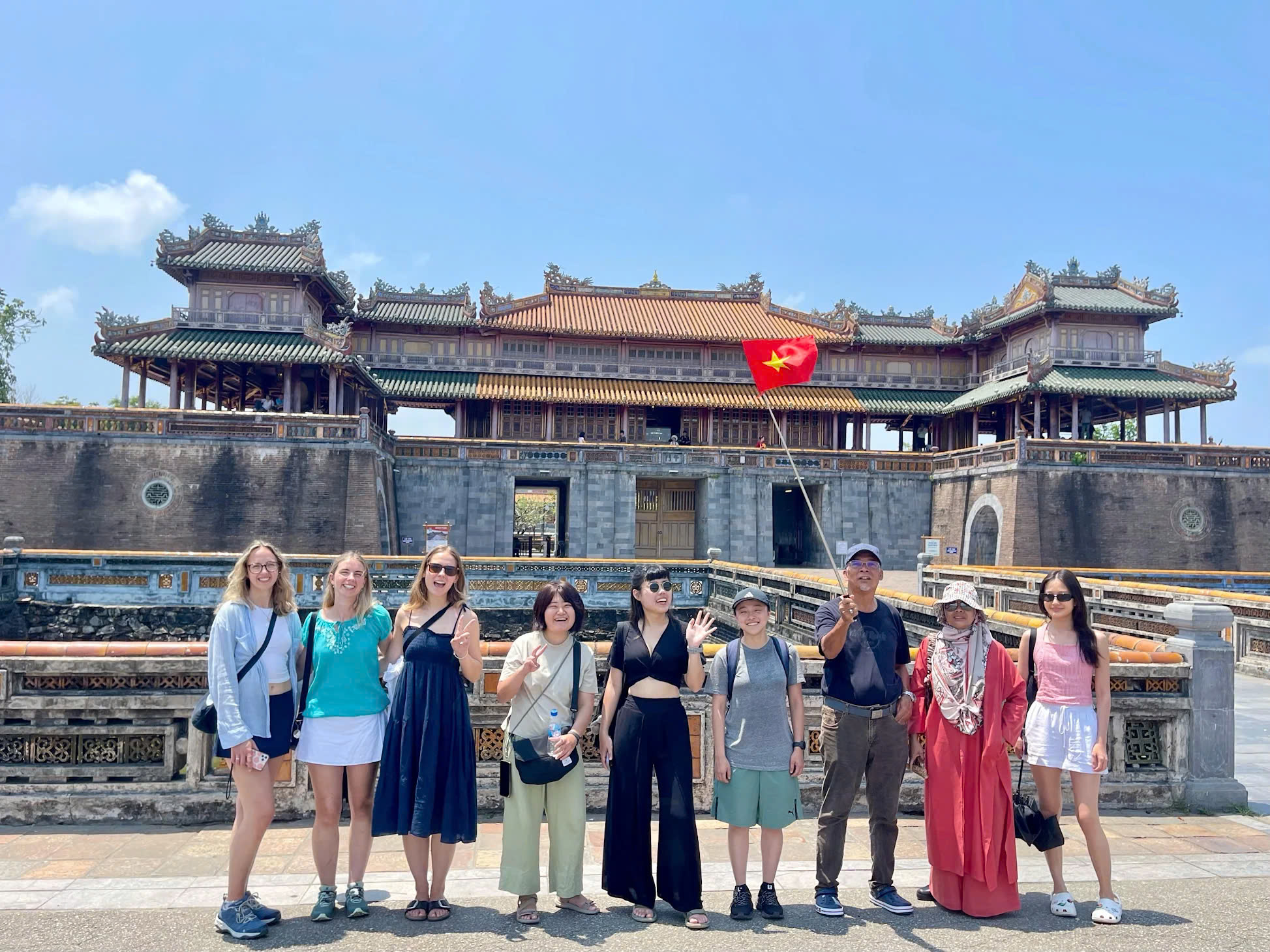
(Source: Venus Travel)
6. Da Nang
Da Nang is a modern coastal city known for its beaches, bridges, mountains, and convenient location.
Popular attractions include:
- My Khe Beach
- Marble Mountains
- Son Tra Peninsula
- Dragon Bridge
- Ba Na Hills and the Golden Bridge
Da Nang is also the main gateway to Hoi An and is therefore an excellent base for exploring Central Vietnam.
.jpg?1787046077811)
7. Ho Chi Minh City
Ho Chi Minh City is Vietnam's largest city and a fascinating combination of history, modern development, nightlife, shopping, and food culture.
Popular attractions:
- War Remnants Museum
- Reunification Palace
- Ben Thanh Market
- Central Post Office
- Nguyen Hue Walking Street
- Saigon's historic architecture
The city is also a convenient base for visiting the Cu Chi Tunnels and the Mekong Delta.
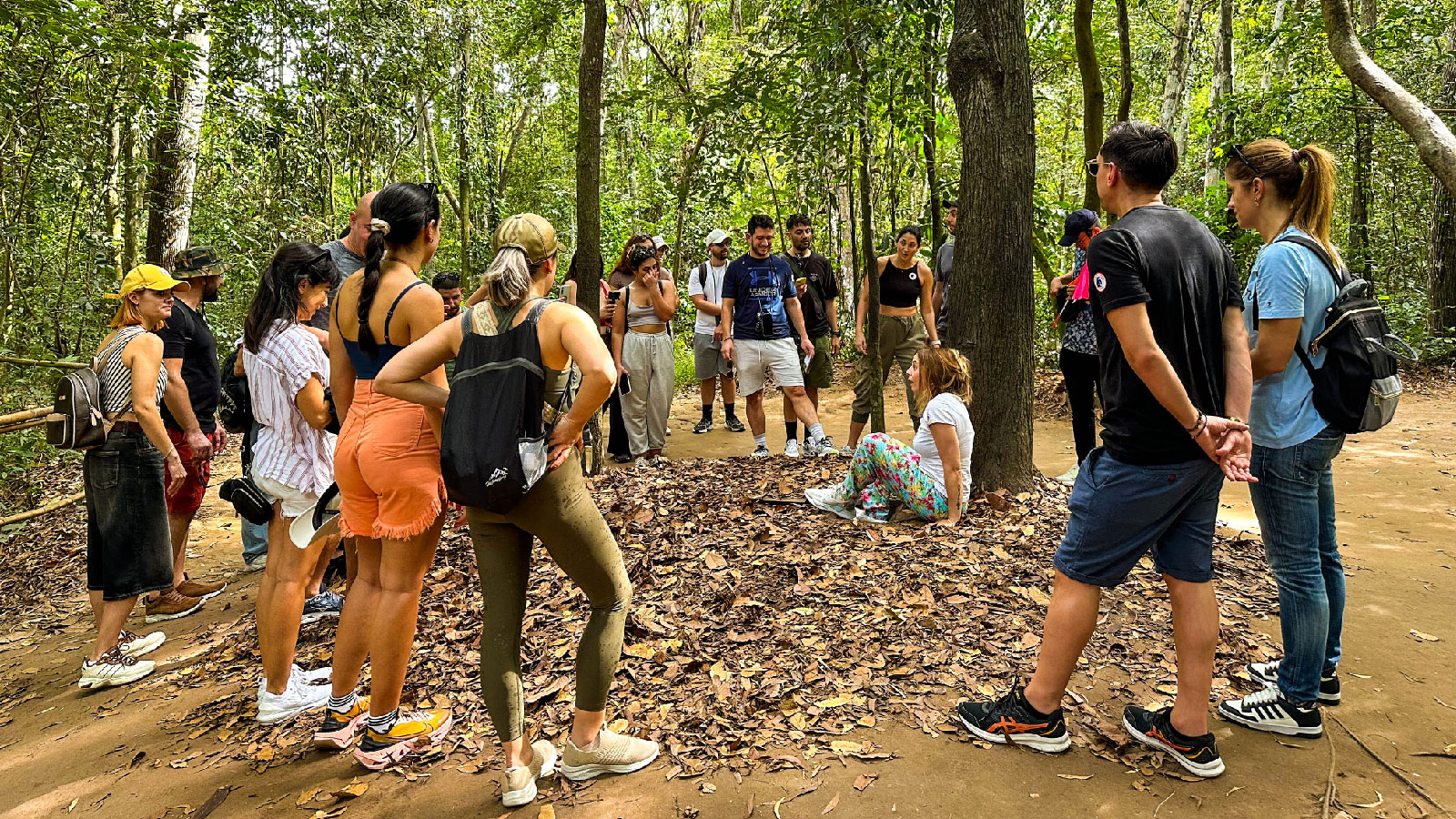
(SourceL TNK Travel)
8. Mekong Delta
The Mekong Delta offers a completely different experience from Vietnam's major cities.
The region is characterized by rivers, canals, tropical gardens, villages, and floating markets.
Popular experiences include:
- Boat trips along the Mekong
- Visiting local villages
- Tropical fruit tasting
- Coconut candy workshops
- Cycling through rural areas
- Visiting floating markets
- Staying overnight in the countryside
Can Tho is one of the most popular bases for exploring the Mekong Delta.

9. Phu Quoc – Vietnam's Tropical Island
For travelers looking for beaches and relaxation, Phu Quoc is one of Vietnam's most popular island destinations.
You can enjoy:
- Beautiful beaches
- Island-hopping tours
- Snorkeling
- Sunset cruises
- Seafood
- Resort stays
- Cable car rides
- Local markets
Phu Quoc works particularly well as a relaxing extension to a Vietnam cultural itinerary.

10. Vietnamese Food You Must Try
Vietnam is one of Asia's best culinary destinations.
Every region has its own specialties, so trying local food should be an essential part of your trip.
Pho
Vietnam's most internationally famous dish, pho is a fragrant noodle soup usually served with beef or chicken, fresh herbs, lime, and chili.
Banh Mi
A crispy Vietnamese baguette filled with combinations of meat, pâté, vegetables, herbs, and sauces.
Bun Cha
A Hanoi specialty featuring grilled pork, rice noodles, fresh herbs, and a sweet-and-savory dipping sauce.
Cao Lau
A famous Hoi An noodle dish traditionally served with pork, herbs, and crispy noodles.
Mi Quang
A Central Vietnamese specialty made with turmeric noodles, herbs, meat or seafood, and a small amount of flavorful broth.
Vietnamese Coffee
Do not leave Vietnam without trying traditional Vietnamese coffee.
Popular varieties include:
- Ca phe sua da – iced coffee with condensed milk
- Egg coffee
- Coconut coffee
- Salt coffee
11. How to Travel Around Vietnam
Vietnam has a well-developed transportation network, making it relatively easy to travel between major destinations.
Domestic Flights
Flying is the fastest option for long distances.
For example:
Hanoi → Da Nang → Ho Chi Minh City
can save considerable travel time compared with traveling entirely by road or train.
Trains
Vietnam's railway system is a good option for travelers who want to enjoy the scenery and experience a slower journey.
The Reunification Express connects Hanoi and Ho Chi Minh City along the coast.
Private Cars
Private transfers are particularly convenient for families, couples, and travelers with customized itineraries.
They also provide flexibility for destinations such as Ninh Binh, Halong Bay, Hoi An, and the Mekong Delta.
Buses
Sleeper buses and tourist buses connect many destinations and can be an economical option.
12. How Many Days Do You Need in Vietnam?
The ideal length depends on your interests and travel style.
5–7 Days
Focus on one or two regions.
Example:
Hanoi – Ninh Binh – Halong Bay – Hanoi or Da Nang – Hoi An – Hue
10–14 Days
A two-week trip allows you to experience several regions.
Suggested itinerary:
Day 1–3: Hanoi
Day 4: Ninh Binh
Day 5–6: Halong Bay
Day 7–9: Hoi An / Da Nang
Day 10: Hue
Day 11–13: Ho Chi Minh City
Day 14: Mekong Delta
2–3 Weeks
With three weeks, travelers can explore Vietnam more comprehensively, including northern mountains, Central Vietnam, and the Mekong Delta.
13. Vietnam Visa and Entry Requirements
Travelers should check the latest Vietnam visa and entry requirements based on their nationality before departure.
Depending on your nationality and travel circumstances, you may need an e-visa or another form of entry authorization.
Make sure your passport is valid for the required period and that your travel information matches your visa application.
Travel tip: Always check the latest official immigration requirements before traveling, as visa regulations can change.
14. Money and Currency in Vietnam
The official currency is the Vietnamese Dong (VND).
Credit cards are widely accepted at hotels, upscale restaurants, shopping malls, and many tourism businesses.
However, cash is still useful for:
- Street food
- Local markets
- Small cafés
- Taxis
- Small shops
- Rural areas
It is a good idea to carry some Vietnamese Dong when exploring local neighborhoods and smaller destinations.
15. Travel Etiquette in Vietnam
Vietnamese people are generally warm and welcoming toward visitors.
A few simple etiquette tips will help you have a smoother experience:
- Dress respectfully when visiting temples and pagodas.
- Remove your shoes when required.
- Ask permission before photographing people, especially in rural communities.
- Keep your voice low at religious sites.
- Avoid touching someone's head.
- Be respectful when visiting historical and cultural attractions.
- Bargain politely in local markets where bargaining is expected.
A little cultural awareness goes a long way.
16. What to Pack for Vietnam
What you pack depends on the season and destinations.
Essential items:
- Comfortable walking shoes
- Lightweight clothing
- Sun protection
- Sunglasses
- Sunscreen
- Insect repellent
- Small daypack
- Reusable water bottle
- Rain jacket or compact umbrella
- Basic medication
- Travel adapter
If you plan to visit northern mountain areas during cooler months, bring additional warm clothing.
17. Vietnam Travel Tips for First-Time Visitors
Here are some practical tips to keep in mind:
Don't try to see everything
Vietnam is a long country, and traveling between regions takes time. It is often better to explore fewer destinations properly than rush through the entire country.
Allow extra time for traffic
Traffic can be unpredictable, particularly in Hanoi and Ho Chi Minh City.
Try local food
Some of Vietnam's best culinary experiences can be found in small local restaurants and street food stalls.
Mix sightseeing with relaxation
A good itinerary should combine cultural attractions, nature, food, and free time.
Book popular experiences in advance
Luxury Halong Bay cruises, quality hotels, domestic flights, and popular activities can become busy during peak travel periods.
Final Thoughts
Vietnam is a destination that rewards travelers who take the time to explore beyond the major tourist attractions. From the historical streets of Hanoi and imperial heritage of Hue to the peaceful waterways of the Mekong Delta, every region offers a different perspective on the country.
Whether you are looking for cultural experiences, adventure, beaches, gastronomy, family travel, luxury holidays, or authentic local encounters, Vietnam has something to offer.
The key to a successful Vietnam trip is choosing the right destinations, allowing enough time between them, and creating an itinerary that balances sightseeing with opportunities to slow down and enjoy the local way of life.
If you are looking for an easy way to experience Vietnam's highlights in one journey, our Vietnam Highlights 9 Days 8 Nights tour combines Hanoi, Halong Bay, Hue, Da Nang, Hoi An, Ho Chi Minh City, and the Mekong Delta. The itinerary is designed to give first-time visitors a balanced introduction to Vietnam's culture, history, natural landscapes, and local life.
Related Posts
.jpg)
.png)