




Tra Que Village – Where Hoi An Breathes in Green
When people think of Hoi An, they often picture colorful lanterns, ancient yellow houses, and riverside cafés. But just a few kilometers from the old town lies a lesser-known treasure that offers a completely different rhythm of life — Tra Que Village, a peaceful farming community that has quietly nourished the soul (and the stomachs) of Hoi An for generations.
A Scenic Ride Through the Vietnamese Countryside
The journey began on a sunny morning, with a rented bicycle and a map marked only by a hand-drawn arrow pointing north. The ride took me along narrow village paths, past shimmering rice fields, duck ponds, and children waving from their porches. In just about 15–20 minutes, the sounds of traffic faded, replaced by the soft rustling of leaves and the rhythmic sound of tools working the land.
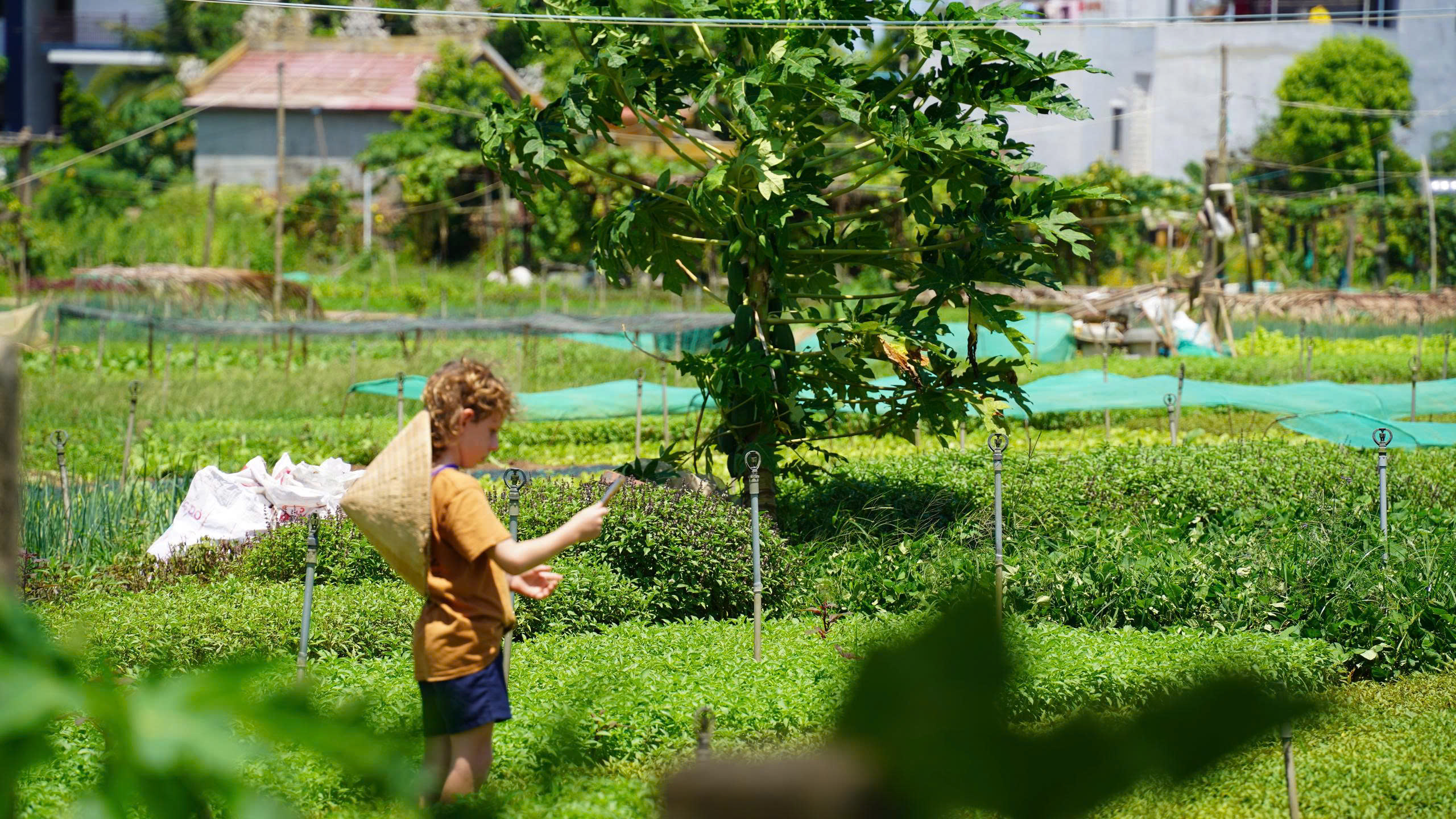
Arriving in Tra Que, the first thing that struck me was the lushness — rows upon rows of green vegetables stretching out under the open sky. There was something therapeutic about it. The air smelled of basil and mint, and even the wind seemed calmer here.
The Heart of the Village: Organic Farming the Traditional Way
Tra Que’s fame comes from its organic herb and vegetable gardens, which are considered among the best in Vietnam. Locals have been cultivating crops here for over 300 years using only natural methods: seaweed compost collected from the De Vong River, hand-weeding, and traditional irrigation techniques.
I was lucky enough to join a local farmer, Mr. Nam, who patiently showed me how to prepare the soil, sow seeds, and — the most memorable part — water the vegetables using a yoke balanced with two heavy metal watering cans. It’s a classic photo-op, but also a small glimpse into the physical effort behind every bunch of fresh herbs served in Hoi An’s restaurants.
From Garden to Table: A Cooking Class with Soul
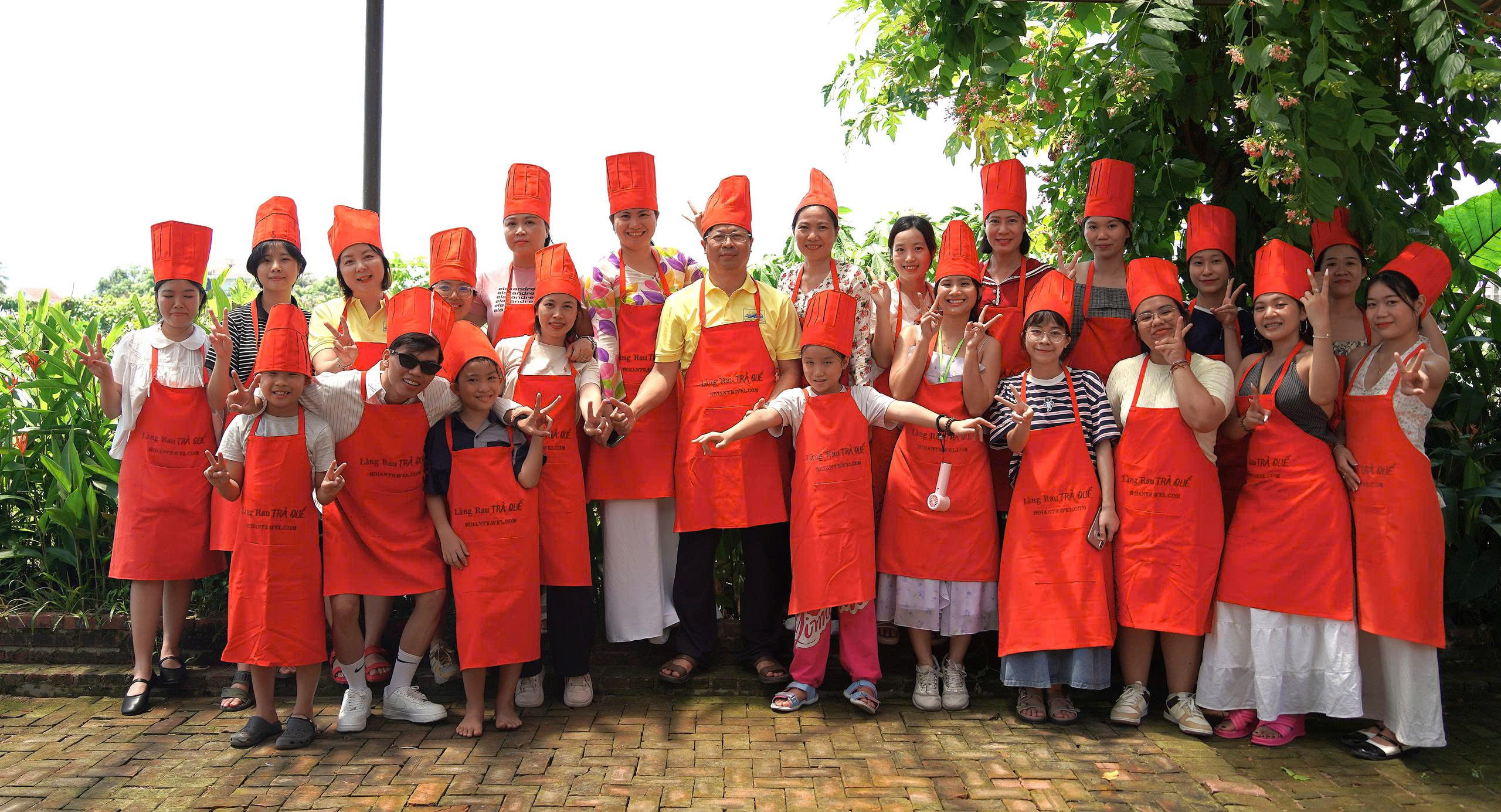
After an hour in the garden, I joined a cooking class in a nearby family-run kitchen. With a basket full of freshly picked herbs, I learned to make Tam Hữu (shrimp, pork, and herb rolls), crispy Vietnamese pancakes (Bánh xèo), and a beautiful lemongrass-scented soup.
The most unforgettable part wasn’t just the flavor (which was, honestly, incredible), but the context — cooking in a traditional open-air kitchen, surrounded by the very gardens where our ingredients came from. It was farm-to-table in its purest, most authentic form.
Peace, Stillness, and Simple Joys
One of the surprises of Tra Que was how spiritually grounding it felt. After lunch, I wandered along the narrow garden paths, sat on a bamboo bench with a cup of hot herbal tea, and simply… breathed. The village has a natural rhythm that encourages you to slow down, appreciate small details, and reconnect with what matters.
Some visitors also come for yoga retreats or herbal foot baths, both of which are offered by local families who have turned their homes into quiet sanctuaries for wellness and healing.
Tips for Visiting Tra Que Village
-
Best time to visit: Early morning (cooler, with fewer tourists) or late afternoon to catch the golden light.
-
How to get there: 15–20 mins by bicycle or motorbike from central Hoi An.
-
Don’t miss: A hands-on cooking class with herbs straight from the garden.
-
What to wear: Comfortable clothes and shoes you don’t mind getting a little muddy.
-
Local tip: Talk to the farmers. Most speak some English and are genuinely happy to share their knowledge and stories.
Final Thoughts: A Green Heartbeat in the Middle of Hoi An
In a region that often dazzles with lanterns and ancient charm, Tra Que offers a different kind of magic — one rooted in simplicity, nature, and tradition. It's a reminder that travel isn’t just about sights, but about connections: to people, to land, and to the quiet beauty of everyday life.
If you're in Hoi An, take a few hours — or a full day — to visit Tra Que. You’ll leave not only with beautiful photos and a full belly, but also with a peaceful heart.
Contact us to book this tour: TRA QUE VEGETABLE VILLAGE - COOKING CLASS
Related Posts
.jpg)
.png)