


Discover Can Tho – The heart of the Mekong Delta’s river culture
Can Tho, the center of the Mekong Delta, is a must-visit destination for those who love nature, culture, and southern Vietnamese food. It may not have towering skyscrapers or grand landmarks, but it captivates visitors with its peaceful river life, bustling floating markets, and unique local flavors. Let’s discover the special experiences that Can Tho offers on your journey.
Where is Can Tho?
Can Tho is a vibrant riverside city famous for its floating markets, lush orchards, and rich cultural heritage. As the largest city in the Mekong region, Can Tho plays an essential role in both commerce and culture, often earning the nickname “Tay Do”, or the Western Capital of Southern Vietnam.
.png?1748680545473)
Vibrant Can Tho in Mekong Delta (source: VnEconomy)
Can Tho lies about 170 kilometers southwest of Ho Chi Minh City, nestled along the Hau River, a major tributary of the Mekong. Thanks to its prime position, the city serves as a gateway to exploring the fertile lowlands of southern Vietnam, where rivers and canals weave through villages, farms, and tropical gardens.
Can Tho is not only a bustling urban center but also a symbol of Vietnam’s rural charm. Its unique blend of traditional life and modern convenience makes it an ideal base for travelers who want to experience the authentic lifestyle of the Mekong Delta.
Is Can Tho worth visiting? Explore top destinations in Can Tho
Can Tho doesn’t try to impress you with big landmarks or fancy buildings. Instead, it captures your heart with small, quiet moments like watching boats glide through the water at sunrise, hearing vendors call out at the floating market, or sipping a cup of coffee by the river. It’s not a place to rush through. It’s a place to slow down, breathe, and enjoy the everyday life of the Mekong Delta.
Cai Rang floating market
Cai Rang Floating Market, located in Cai Rang District of Can Tho City, is one of the largest and most famous floating markets in the Mekong Delta. It sits on the Hau River, about 6–7 kilometers southwest of the city center, easily accessible by boat from Ninh Kieu Wharf.

Cai Rang floating market (source: MIA)
The market activity begins very early, around 2 - 3 am, and reaches its busiest time between 5 and 6 a.m. This is the best time to visit when the air is cool, the light is soft, and the market is at its most lively. Cai Rang Floating Market is not only a place for trading goods but also a home for many river families living in colorful floating houses, creating a vivid picture of the river-based life in the Mekong Delta.
One unique feature of the market is its creative way of advertising products: each boat hangs a sample of its goods on a tall pole called a “beo” to help buyers easily identify what’s for sale. This not only shows the locals’ creativity in trading but also reflects the distinctive cultural identity of the region. Despite the development of modern transportation causing many floating markets to fade away, Cai Rang remains a special and popular destination for both domestic and international tourists.
Read more: Cai Rang Floating Market – A must-visit in Can Tho
Binh Thuy ancient house
Binh Thuy Ancient House is a special heritage site in Can Tho, located on Bui Huu Nghia Street, just about 5 km from the city center. Built in 1870 by the Duong family, this house has been passed down through six generations and is one of the few old homes in the Mekong Delta that still keeps its original structure.
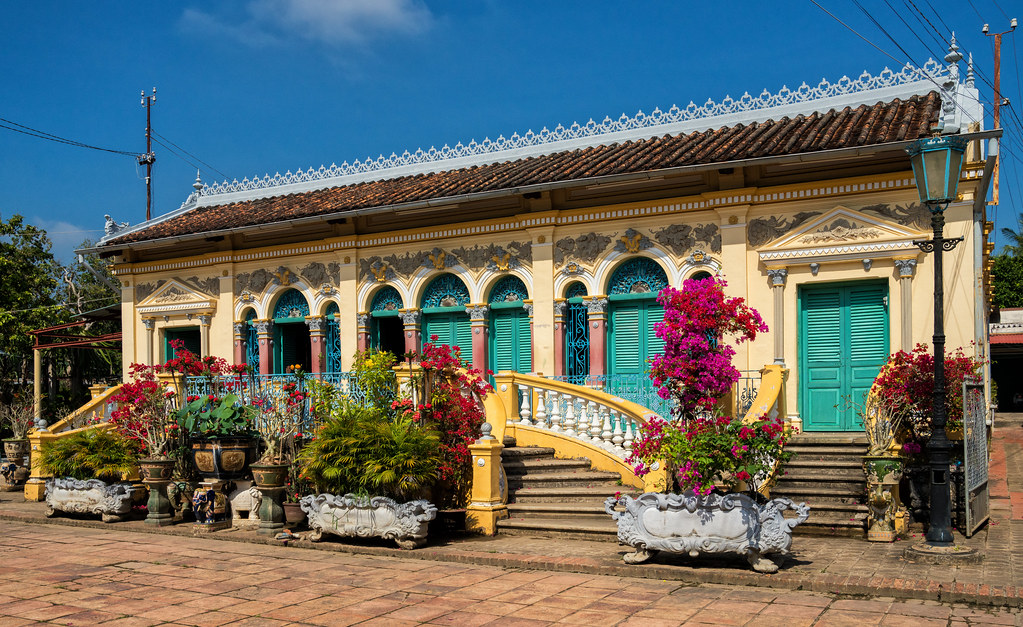
Binh Thuy ancient house (source: Traveloka)
What makes the house unique is the blend of French and traditional Vietnamese architecture. From the outside, it looks like a small French villa, but inside, it follows the layout of a classic southern Vietnamese home, with wooden pillars, tiled floors, and a cozy, open space. Many old items are still kept here, such as antique furniture, porcelain vases from China, carved wooden altars, and oil lamps from over a hundred years ago.
Binh Thuy Ancient House has appeared in several films, including the famous French movie The Lover. It’s a great stop for travelers who love culture, history, or simply want to see something beautiful and authentic in Can Tho.
Ong pagoda
Located right next to Ninh Kieu Wharf, this colorful Chinese temple was built in the late 19th century by the Hoa (ethnic Chinese) community living in the area. Even today, it remains a lively cultural and religious center for many locals.
From the outside, Ong Pagoda is easy to recognize thanks to its bright red and gold colors, detailed ceramic decorations, and thick clouds of incense drifting from the entrance. Inside, the atmosphere is peaceful but full of life. The main altar is dedicated to Quan Cong, a Chinese general known for loyalty and justice. You’ll also find altars for other deities such as Thien Hau and Tai Bach Tinh Quan, reflecting the mix of beliefs among the Chinese-Vietnamese community.
Visitors often come not only to admire the architecture but also to experience the local way of praying and giving offerings. During festivals like Lunar New Year or the Lantern Festival, the pagoda becomes even more vibrant, with music, lion dances, and large crowds of worshippers.
Ninh Kieu night market
Looking for something fun to do after sunset in Can Tho? Head to the night market near Luu Huu Phuoc Park, where the city comes alive with street food, lights, and friendly energy. Open from around 5 PM to 11 PM, the market is packed with tasty southern Vietnamese dishes like crispy banh xeo, bun rieu noodle soup, sweet che buoi, and grilled meat skewers. It’s a great place to try local flavors while soaking up the vibrant, down-to-earth vibe of the Mekong Delta.
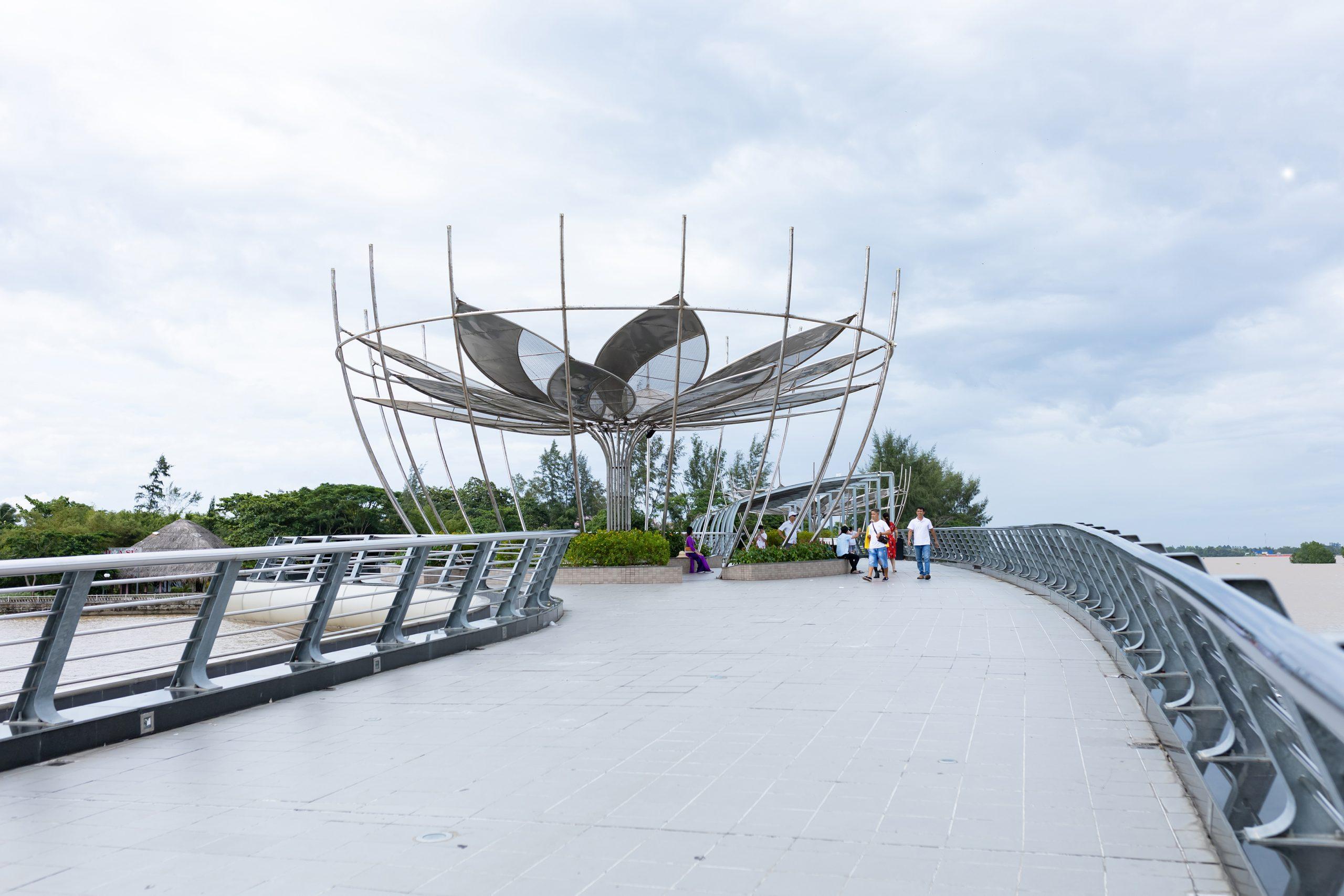
Ninh Kieu Wharf (source: blog an choi)
Beyond food, the market is also a great spot to shop for souvenirs. You’ll find handmade crafts like woven baskets, embroidered cloths, and wooden carvings, all reflecting local life and creativity. The relaxed setting, open-air stalls, and warm conversations with vendors make the experience feel more like a casual cultural exchange than just a shopping trip. Whether you’re here for dinner, a gift, or just a stroll, Can Tho’s night market adds color and charm to any evening.
Read more: Ninh Kieu wharf – Must-visit riverside destination in Can Tho
Truc Lam Phuong Nam Zen Monastery
Located in My Khanh Commune, Phong Dien District, about 15 km from downtown Can Tho, Truc Lam Phuong Nam is one of the largest Zen monasteries in the Mekong Delta. It was built in the traditional Ly–Tran dynasty architectural style, with structures made mostly of precious lim wood, red-tiled roofs, wide brick courtyards, and a peaceful, green landscape. The calm atmosphere makes it a perfect place for a quiet walk, meditation, or simply resting under the trees.
.png?1748681573992)
Truc Lam Phuong Nam Zen Monastery (source: Traveloka)
The main highlight of the monastery is the spacious main hall with a 2-meter-tall statue of Shakyamuni Buddha. Other key features include the bell tower, drum tower, and stone-paved corridors surrounded by lotus ponds and shady gardens. This is not only a spiritual site for Buddhist followers but also an ideal stop for travelers interested in Vietnamese culture and the tranquil beauty of the Mekong region.
My Khanh tourist village
My Khanh Tourist Village is a popular eco-tourism site located near Cai Rang Floating Market. Covering over 30 hectares, it offers a mix of fruit gardens, ponds, a century-old Southern-style house, and traditional countryside activities. Visitors can experience life in the old Mekong Delta through boat rides, fishing, catching fish with their hands in muddy ponds, and enjoying live performances of Southern folk music.
The food court here serves regional specialties such as fermented fish hotpot (lau mam), grilled snakehead fish, and crispy Mekong pancakes (banh xeo). There are also folk games and entertaining animal races like pig and dog racing, along with hands-on workshops for making traditional cakes. It’s a fun and educational destination that’s great for families and groups of friends.
Son islet (Con Son)
Son Islet sits in the middle of the Hau River, in Binh Thuy District, covering about 70 hectares. To get there, you’ll take a short 10-minute boat ride from Bui Huu Nghia Wharf. The islet is known for its community-based tourism model, where local residents warmly welcome visitors and share their daily lives.
.png?1748681760654)
Son islet (source: iViVu)
Some unique experiences include watching the “flying snakehead fish” show - a fun, local performance where trained fish leap out of the water, visiting floating fish farms, and making traditional Mekong snacks like coconut rolls and leaf cakes. Visitors can also pick fresh fruit from the garden, enjoy homemade meals, and listen to stories about life along the river. Son Islet offers an authentic, warm-hearted look into the soul of the Mekong Delta.
Can Tho cuisine
Can Tho’s cuisine is famous for its diversity and fresh, rich flavors that truly reflect the character of the Mekong Delta. Each dish is not only a combination of fresh, clean ingredients but also a cultural story passed down through generations. When visiting Can Tho, tasting the local specialties is the best way to fully experience the soul of this riverine land.
Can Tho crispy pancakes (Banh xeo)
Can Tho’s crispy pancake features a golden, crunchy outer layer filled with shrimp, pork, bean sprouts, and mung beans. This dish is often wrapped in rice paper and fresh herbs, then dipped in a sweet and sour fish sauce that perfectly balances the flavors. It’s a favorite among visitors and is especially satisfying for lunch or a light afternoon meal.
Fried rice cake
.png?1748681845409)
Fried rice cake (source: Shopee food)
Banh Cong or fried rice cake is a popular street food in the Mekong Delta, named after its small sewer-pipe shape. Made from rice flour mixed with mung beans, the filling includes shrimp, minced pork, and scallions before being deep-fried to a crispy golden brown. Served with fresh vegetables and a tangy dipping sauce, it offers a simple yet authentic taste of Can Tho’s local food culture.
Fermented fish hotpot
Fermented fish hotpot is a must-try dish representing the soul of Mekong Delta cuisine. Can Tho’s version has a rich, aromatic broth made from fermented fish, loaded with fresh seafood like fish, shrimp, and squid, along with distinctive local vegetables such as water spinach, lotus stems, and wildflowers. It’s the perfect dish for family gatherings or dining out with friends.
Traditional sweet soups and fresh fruits
.png?1748681863078)
Sweet soups (source: Huong Viet mart)
Besides savory dishes, Can Tho is also famous for its traditional sweet soups (che) and fresh tropical fruits from the orchards. Popular choices like grapefruit sweet soup, white bean sweet soup with coconut milk, and sugar-coated “wax coconut” mixed with crushed ice provide a refreshing end to any meal and help beat the tropical heat after a day of sightseeing.
Can Tho is more than just a stop on your Mekong Delta trip, it’s a place to experience rich river culture and authentic southern Vietnamese cuisine. Take your time to explore, feel, and enjoy every moment in this gentle land, and you will surely take home unforgettable memories with Asia Pacific Travel now!
Related Posts
.png)
.png)
.png)
.png)