




Discover the beauty of Hoa Lu Ancient Capital
Hoa Lu Ancient Capital was the first capital of Vietnam, holding great historical significance. With its majestic temples, ancient citadel ruins, and picturesque landscapes, this former capital invites travelers to explore the roots of Vietnamese civilization.
Introduction to Hoa Lu Ancient Capital
Located in Ninh Binh Province, Hoa Lu Ancient Capital is a historically significant site that once served as Vietnam’s first capital from 968 to 1010. It was the political and military center during the reigns of the Dinh and Early Le dynasties, playing a key role in shaping the country’s early history.
.png?1743732210004)
Hoa Lu Ancient Capital (source: WanderOn)
Surrounded by dramatic limestone mountains and lush valleys, Hoa Lu Ancient Citadel was a natural stronghold, offering protection against invasions. Today, it remains a treasured historical site, where visitors can explore centuries-old temples, ancient citadel walls, and remnants of a once-glorious kingdom.
The Hoa Lu Ancient Capital entrance fee is quite affordable, making it accessible to all travelers. The ticket price for adults is 20,000 VND per person, while children (6 – 15 years old) and seniors (60+ years old) enjoy a discounted price of 10,000 VND per person.
For those planning a visit, it’s essential to check the Hoa Lu Ancient Capital opening hours. The site generally opens from 6:30 AM, especially during the summer months. However, it is always advisable to confirm the opening hours before your trip to ensure a smooth experience.
A trip to Hoa Lu Ancient Capital will take you on a journey through Vietnam’s glorious history, where you can explore ancient temples dedicated to great kings and immerse yourself in breathtaking natural scenery. This historical site also offers visitors a unique cultural experience, from traditional festivals to remarkable architectural relics. This destination is perfect for history enthusiasts, nature lovers, and those seeking tranquility.
Activities to experience in Hoa Lu Ancient Capital
As the former capital of Vietnam, Hoa Lu Ancient Capital is filled with fascinating sites and exciting activities. Let’s explore the must-visit places and the best ways to experience this historic destination.
Visit the temple of King Dinh Tien Hoang
One of the most significant sites in Hoa Lu Ancient Capital is the Temple of King Dinh Tien Hoang, built to honor the founder of the Dinh Dynasty. King Dinh Tien Hoang, who ruled from 968 to 979, played a crucial role in unifying Vietnam and establishing the country’s first centralized feudal state.
.png?1743732956128)
Visit the temple of King Dinh Tien Hoang (source: Xay dung news)
The temple, nestled at the foot of Ma Yen Mountain, features traditional Vietnamese architecture with intricate wooden carvings, stone sculptures, and a serene courtyard. Inside, visitors can admire altars dedicated to King Dinh, his sons, and high-ranking officials of his reign. The temple’s detailed dragon motifs, phoenix carvings, and historical relics offer a glimpse into the artistic and cultural heritage of the 10th century.
Explore the temple of King Le Dai Hanh
Located near the Temple of King Dinh Tien Hoang, the Temple of King Le Dai Hanh is another must-visit site in Hoa Lu Ancient Capital. This temple is dedicated to King Le Dai Hanh, who ruled from 980 to 1005 and is known for successfully defending Vietnam against the Song Dynasty’s invasion.
.png?1743733983286)
Explore the temple of King Le Dai Hanh (source: Ninh Binh hidden charm hotel & Hanoi resort)
The temple follows traditional Vietnamese architecture, featuring wooden pillars, intricate carvings, and a peaceful courtyard shaded by ancient trees. Inside, visitors can see statues of King Le Dai Hanh, Queen Duong Van Nga, and their royal family members, along with historical artifacts that reflect the glorious past of the Early Le Dynasty.
Read more: Khai Dinh Tomb in Hue - A masterpiece of Nguyen dynasty architecture
Offer incense at Nhat Tru pagoda
A visit to Nhat Tru Pagoda offers a peaceful and spiritual experience in Hoa Lu Ancient Capital. Built during the reign of King Le Dai Hanh, this ancient pagoda is one of Vietnam’s oldest Buddhist sites, holding great historical and religious significance.
The pagoda is best known for its one-pillar stone column, which is over 1,000 years old and engraved with Buddhist scriptures. This unique artifact is a symbol of Vietnam’s early Buddhist influence and a testament to the country’s rich cultural heritage.
Surrounded by lush greenery and a tranquil atmosphere, Nhat Tru Pagoda is an ideal place for visitors to offer incense, reflect in peace, and admire traditional Vietnamese temple architecture. Whether you seek spiritual enrichment or historical insights, this sacred site is well worth a visit.
Walk around the Hoa Lu Ancient Citadel
Exploring Hoa Lu Ancient Citadel on foot is one of the best ways to immerse yourself in the history of Vietnam’s first capital. Once a grand fortress protecting the kingdom, the citadel was naturally fortified by surrounding limestone mountains, creating an almost impenetrable stronghold.
As you walk through the site, you can admire the ancient gates, old walls, and remnants of royal palaces, which offer a glimpse into the glorious past of the Dinh and Le dynasties. Though much of the original structures have been lost to time, the remaining foundations and restored monuments still hold deep historical value.
Visit the four sacred temples of Hoa Lu (Hoa Lu Tu Tran)
A unique cultural and spiritual experience in Hoa Lu Ancient Capital is visiting the Hoa Lu Tu Tran, or the four sacred temples. These temples were built to honor four guardian deities who were believed to protect the ancient capital from evil spirits and disasters. Each temple is located at a strategic point surrounding Hoa Lu, representing a different direction and a significant historical figure.
The four temples include:
- Temple of Saint Quy Minh (South): Dedicated to Quy Minh, a general who safeguarded the southern entrance to Hoa Lu.
- Temple of Saint Cao Son (West): Honoring Cao Son, a mountain god believed to protect the western side of the capital.
- Temple of Saint Thien Ton (East) Associated with Thien Ton, a deity known for guarding the eastern side and symbolizing wisdom.
- Temple of Saint Nguyen (North): Worshipping Nguyen, a local hero who defended the northern frontier.
Join the Hoa Lu Ancient Capital Festival
One of the most vibrant cultural experiences in Hoa Lu Ancient Capital is participating in the Hoa Lu Festival, an annual event held to honor the legacy of King Dinh Tien Hoang and King Le Dai Hanh. Taking place in early April (the 8th–10th day of the third lunar month), this festival is a grand celebration of Vietnam’s rich history and traditions.
.png?1743734091548)
Hoa Lu festival (source: MIA)
The festival features a variety of traditional rituals and performances, including an ancestral worship ceremony, a palanquin procession, folk games, and water puppet shows. Visitors can also enjoy lively dragon dances, martial arts demonstrations, and chèo (Vietnamese opera) performances, all reflecting the cultural heritage of the ancient capital.
Joining the Hoa Lu Festival allows travelers to immerse themselves in the local culture, witness age-old traditions, and experience the spiritual significance of this historic site. It is a must-see event for anyone visiting Hoa Lu during the festive season.
Savor the local cuisine of Hoa Lu
No trip to Hoa Lu Ancient Capital is complete without indulging in the region’s delicious and authentic local dishes. Ninh Binh is famous for its unique flavors, influenced by the surrounding countryside and rich cultural heritage. Here are some must-try specialties:
.png?1743734245989)
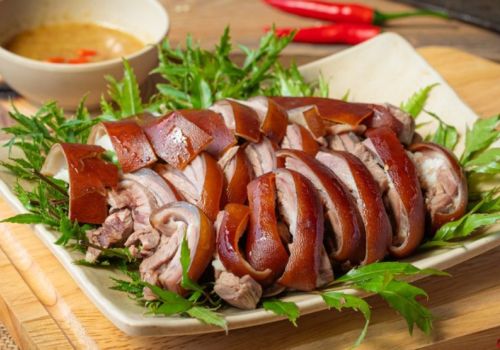
Goat meat is one of the most iconic dishes in Ninh Binh (source: Justfly)
- Goat Meat (Thit De Ninh Binh): One of the most iconic dishes in Ninh Binh, goat meat is prepared in various styles, including grilled, steamed, or stir-fried with lemongrass. It is often enjoyed with fresh herbs and dipped in a flavorful fermented soybean sauce.
- Burned Rice (Com Chay): This crispy rice dish is a beloved local snack. The rice is deep-fried until golden brown and served with pork floss or a rich dipping sauce made from pork or beef stew.
- Mountain Snails (Oc Nui): Found in the limestone mountains of Ninh Binh, these snails have a naturally sweet and chewy texture. They are often stir-fried with lemongrass and chili, creating a unique and flavorful dish.
- Ninh Binh Eel Vermicelli (Mien Luon): A comforting bowl of eel vermicelli soup, featuring tender eel meat, fragrant herbs, and a rich broth, perfect for a warm meal after exploring Hoa Lu.
- Sticky Rice with Ant Eggs (Xoi Trung Kien): A rare and traditional delicacy, this dish is made with steamed sticky rice topped with seasoned ant eggs, offering a unique texture and nutty flavor.
Travel guide to Hoa Lu Ancient Capital
To fully enjoy this historic site, it’s important to plan your trip carefully. From choosing the best time to visit to finding the most convenient transportation, this guide will help you explore Hoa Lu Ancient Capital with ease.
.png?1743734662621)
Travel guide to Hoa Lu Ancient Capital (source: Seven tours Vietnam)
How to get to Hoa Lu Ancient Capital
Located in Ninh Binh Province, about 100 km south of Hanoi, Hoa Lu Ancient Capital is easily accessible by various means of transportation. Whether you prefer a quick, comfortable ride or a scenic journey, here are the best routes to reach this historic site from Hanoi.
- By private car or taxi (~2 hours): The most convenient option, ideal for groups or families. Take the Hanoi – Ninh Binh Expressway (CT01) for a fast and smooth ride.
- By bus (~2.5 hours): Take a bus from My Dinh, Giap Bat, or Nuoc Ngam Bus Stations to Ninh Binh City, then a taxi or motorbike (~20 minutes) to Hoa Lu.
- By train (~2 hours): Board a train from Hanoi Railway Station to Ninh Binh Station, then continue by taxi (~10 km). Recommended trains: SE5, SE7, or SE19.
- By motorbike (~2.5 hours): Take National Highway 1A or the scenic Phap Van – Cau Gie – Ninh Binh route, enjoying stunning countryside views.
Best time to visit Hoa Lu Ancient Capital
Hoa Lu Ancient Capital is a destination that can be enjoyed throughout the year, but the ideal time to visit depends on personal preferences regarding weather, scenery, and cultural events. Each season offers a unique experience, from lively festivals to breathtaking natural landscapes.
For the best overall experience, March – April and September – November are the most recommended times to visit Hoa Lu. These months provide pleasant weather, stunning scenery, and exciting cultural events, ensuring a comfortable and memorable journey. Whether you want to immerse yourself in history, enjoy nature, or experience traditional festivals, these periods offer the perfect balance for an unforgettable trip.
Essential notes for a smooth visit
To make the most of your trip to Hoa Lu Ancient Capital, consider these essential travel tips:
- Dress appropriately: As you’ll be visiting temples and historical sites, wear modest clothing that covers your shoulders and knees, especially when entering sacred areas.
- Bring comfortable footwear: Hoa Lu involves walking and climbing stairs, so comfortable shoes or sneakers are recommended.
- Prepare for the weather: If visiting in summer, bring a hat, sunglasses, and sunscreen to protect yourself from the sun. In winter, a light jacket will keep you warm in the chilly mornings and evenings.
- Arrive early to avoid crowds: The best time to explore Hoa Lu is early in the morning, when the weather is cooler and the site is less crowded.
- Respect local customs and heritage: Avoid making loud noises in temple areas, and always ask for permission before taking photos of religious ceremonies.
- Stay hydrated and carry snacks: While there are small food stalls around, it's good to carry a bottle of water and some light snacks if you're planning a long day of exploration.
- Consider hiring a local guide: To gain deeper insights into the history and legends of Hoa Lu, hiring a knowledgeable guide can enhance your experience.
Must-visit attractions nearby
While Hoa Lu Ancient Capital is a treasure trove of history, the surrounding areas of Ninh Binh offer even more breathtaking landscapes and cultural experiences. Here are some must-visit destinations to explore after discovering Hoa Lu!
Trang An scenic landscape complex
Located close to Hoa Lu Ancient Capital, Trang An Scenic Landscape Complex, a UNESCO World Heritage Site, is famous for its limestone karst formations, caves, and waterways.
.png?1743734751307)
Trang An scenic landscape complex (source: Dai Doan Ket news)
The best way to explore Trang An is by traditional sampan boat, rowed by skilled locals. The boat journey takes you through a series of mystical caves, such as Hang Toi (Dark Cave), Hang Sang (Bright Cave), and Hang Nau Ruou (Wine Brewing Cave), each with its own legends and breathtaking formations. Along the way, you’ll also pass by ancient temples and pagodas, including Trinh Temple, Tran Temple, and the magnificent Kong Skull Island film set, which adds a cinematic charm to the landscape.
Tam Coc - Bich Dong
The highlight of Tam Coc is the boat tour along the Ngo Dong River, where local rowers skillfully navigate through three stunning caves: Hang Ca, Hang Hai, and Hang Ba. As you drift through the water, you’ll be surrounded by towering cliffs and golden rice fields (best seen in late May to early June).
.png?1743734815669)
Tam Coc - Bich Dong (source: So Du lich Ninh Binh)
After the boat ride, head to Bich Dong Pagoda, a beautiful ancient temple built into a limestone mountain. The pagoda complex consists of three levels—Ha Pagoda, Trung Pagoda, and Thuong Pagoda—accessible via stone steps. From the top, you’ll be rewarded with a panoramic view of the surrounding countryside, making it a perfect spot for photography.
Read more: Explore Tam Coc wharf: A breathtaking boat tour through nature
Bai Dinh pagoda
Just a short drive from Hoa Lu, Bai Dinh Pagoda is Vietnam’s largest Buddhist complex, known for its grand architecture and spiritual significance. The site features the 500-Arhat Corridor, the Great Buddha Statue, and the largest bronze bell tower in Vietnam.
.png?1743735573114)
Bai Dinh pagoda (source: Vietnam travel)
For stunning views, climb the Bai Dinh Tower, which offers a panoramic look at Ninh Binh’s landscapes. Visiting during the Bai Dinh Festival (after Lunar New Year) adds a vibrant cultural experience.
Hoa Lu Ancient Capital is a must-visit destination for history lovers and nature enthusiasts alike. From ancient temples to breathtaking landscapes, every corner of this former capital tells a fascinating story. To make the most of your trip, book a Hoa Lu tour with Asia Pacific Travel for a seamless and enriching experience.
Related Posts
.png)
.png)