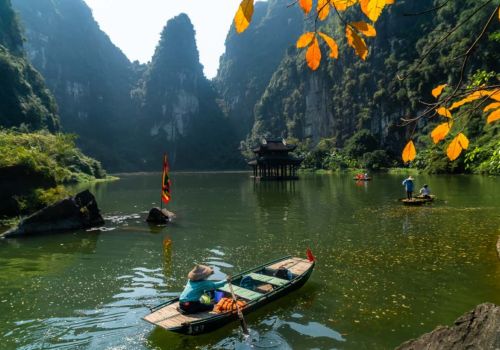




When to Visit Cao Bang: Seasons of Serenity and Scenic Beauty
Nestled in Vietnam’s northeastern frontier, Cao Bang is a destination that blends pristine nature, rich culture, and historical significance. Whether you're chasing waterfalls, exploring hidden caves, or walking through quiet ethnic villages, Cao Bang offers something unique in every season.
But just like its rugged terrain, the weather here can be unpredictable. Knowing when to go can make all the difference between an unforgettable trip and a foggy, rain-soaked one. Here's a seasonal breakdown to help you plan the perfect visit to this underrated gem of Vietnam.
Spring (February – April): Fresh Air and Flowering Valleys
What to expect:
Spring brings a gentle revival to Cao Bang. After the cold winter months, the region begins to warm up. Trees blossom, hills turn green again, and local life becomes more active. The air is cool and crisp, perfect for outdoor exploration.
Why visit in spring:
-
Ideal weather for hiking, exploring Ngườm Ngao Cave, and boating at Bản Giốc Waterfall.
-
Plum and peach blossoms create romantic scenery, especially in ethnic villages.
-
The province feels fresh and uncrowded — a peaceful, "off-season" escape.
Travel tip:
Spring weather can still be a bit chilly in the early mornings, so bring layers.
Summer (May – August): Lush Landscapes and Mighty Waterfalls
What to expect:
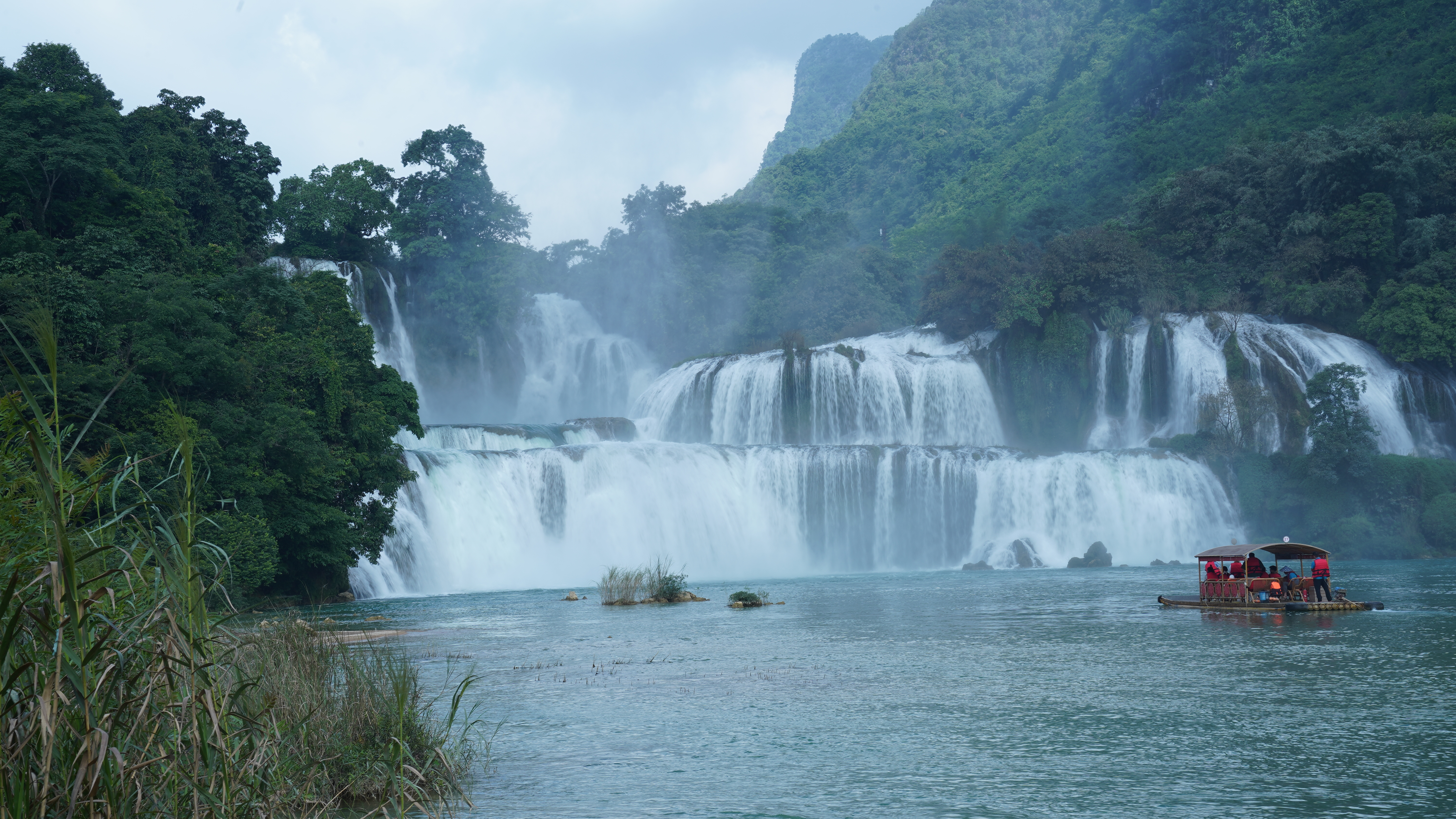
Summer is when Cao Bang comes alive. This is the peak flow season for Bản Giốc Waterfall, when rain-fed rivers thunder down the cliffs in full force. The forests and rice fields are at their greenest, creating postcard-perfect views.
Why visit in summer:
-
The most impressive time to see Bản Giốc Waterfall at its fullest.
-
Water-based activities like bamboo rafting and swimming are popular.
-
Lush countryside perfect for landscape photography.
But a heads-up:
This is also the rainy season. While the rain enhances the waterfalls, it can make roads slippery and limit visibility in the mountains.
Travel tip:
Pack waterproof clothing, especially if you’re planning to ride a motorbike. Try to start your day early, as afternoon showers are common.
Autumn (September – November): Golden Fields and Clear Skies
What to expect:
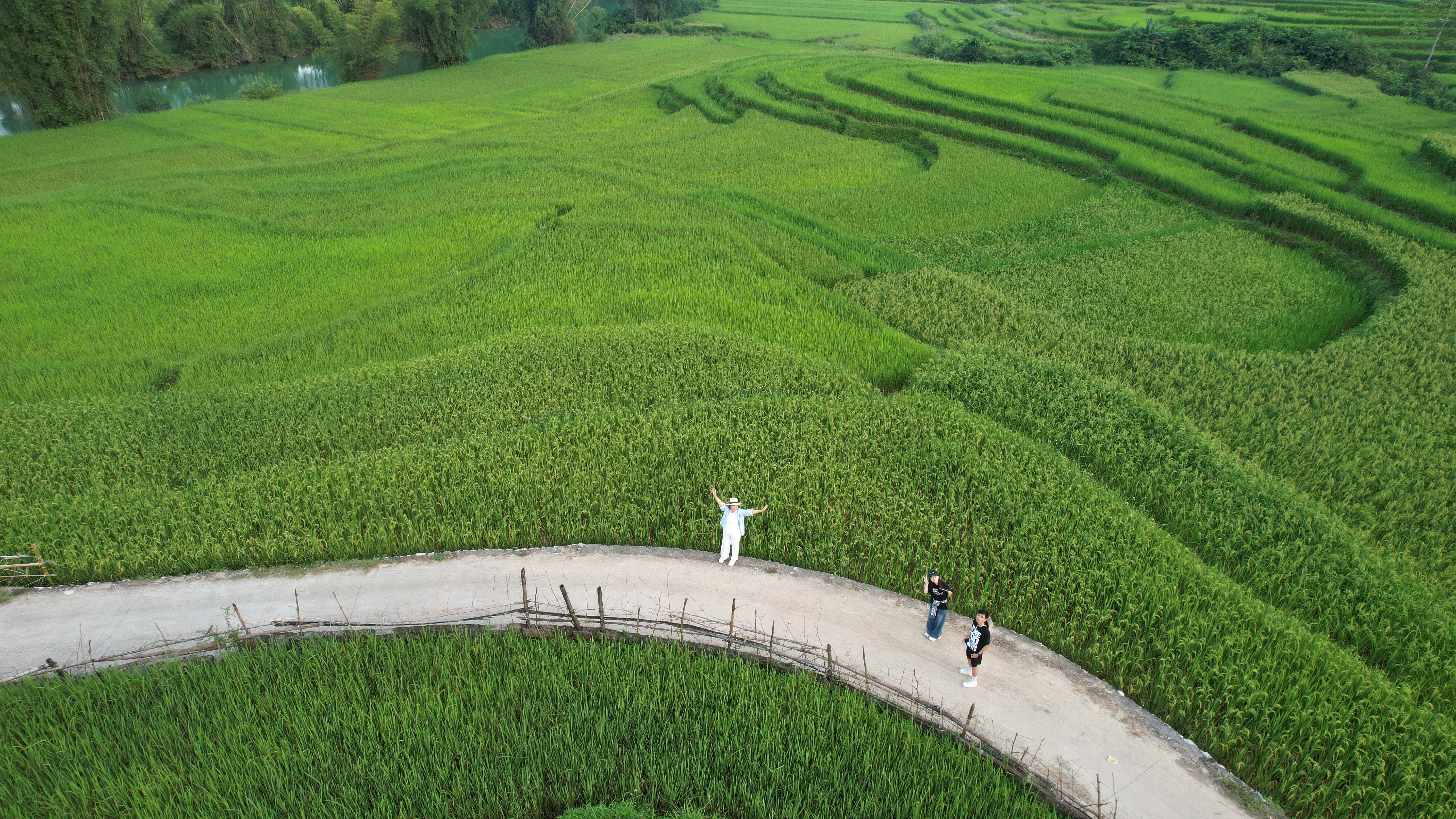
Autumn in Cao Bang is a dream. Rain subsides, skies turn blue, and temperatures cool down. In rural areas like Trùng Khánh and Quảng Uyên, rice fields turn golden during the harvest, creating breathtaking views across the valleys.
Why visit in autumn:
-
The best time to see Bản Giốc in both beauty and comfort: full flow but clear skies.
-
Less rainfall = safer and easier travel conditions.
-
Ethnic festivals and local markets are vibrant this time of year.
Travel tip:
If you're a photographer or a nature lover, this is your season. The contrast of blue skies, green hills, and golden rice fields is unforgettable.
Winter (December – January): Misty Hills and Cultural Stillness
What to expect:
Cao Bang’s winters are cold, especially in the highlands near the Chinese border. Temperatures can drop below 10°C, and mornings often start with a mystical layer of fog. While Bản Giốc loses some of its power, the quieter atmosphere brings a different kind of magic.
Why visit in winter:
-
Peaceful landscapes, ideal for slow travel and introspection.
-
Fewer tourists = more authentic local experiences.
-
Great time to explore history-rich sites like Pac Bo Cave, where Ho Chi Minh once lived and worked.
Travel tip:
Dress warmly, especially if traveling by bike. Many homestays in the area may not have heating, so be prepared.
When Is the Best Time to Visit Cao Bang?
-
For dramatic waterfalls and lush scenery: May to August (prepare for some rain).
-
For the best combination of weather, color, and clarity: September to November is the sweet spot.
-
For cooler weather, quiet experiences, and flower blossoms: Try late winter to early spring (February – April).
Pairing Cao Bang with Ha Giang
Many travelers combine Cao Bang and Ha Giang in a loop through Vietnam’s spectacular Northeast. If that’s your plan, consider the autumn months (Sept–Nov) for the perfect weather and best photo ops. You'll get the golden rice of Ha Giang and the full waterfalls of Cao Bang in one unforgettable journey.
Final Tips
-
Transport: Cao Bang is about 6–7 hours from Hanoi by car or bus. Roads are generally good, but mountainous.
-
Motorbiking: A great way to explore, especially the DT206 route from Cao Bang City to Bản Giốc.
-
Accommodation: Homestays in Trùng Khánh or near Bản Giốc offer authentic, affordable stays close to nature.
Cao Bang is a place of quiet power — where nature, history, and culture meet in stunning harmony. No matter which season you choose, you’ll leave with a deeper appreciation for Vietnam’s wild, unpolished beauty.
Related Posts
.jpg)
.png)