


Vietnam Safety Guide: Essential Tips for a Safe and Enjoyable Trip
Vietnam Safety Guide is an essential resource for first-time visitors who want to explore the country with confidence. Vietnam is known for its welcoming atmosphere, diverse landscapes, vibrant cities, and rich culture. Like any destination, however, travelers should take a few basic precautions to protect themselves, their belongings, and their health during their trip.
From crossing busy streets and keeping an eye on your belongings to choosing reliable transportation and knowing what to do in an emergency, these practical Vietnam travel safety tips will help you enjoy your journey more comfortably.
Is Vietnam Safe for Tourists?
Yes, Vietnam is generally considered a safe destination for international travelers. Millions of visitors travel around the country every year, exploring destinations such as Hanoi, Ha Long Bay, Ninh Binh, Hue, Hoi An, Da Nang, Ho Chi Minh City, and the Mekong Delta.
However, being in a safe country does not mean that travelers should ignore normal precautions. Petty theft, pickpocketing, traffic-related risks, scams, and occasional tourist inconveniences can occur, particularly in busy urban areas and crowded tourist spots.
The best approach is simple: stay aware of your surroundings, keep your valuables secure, use reputable services, and follow local rules and customs.
Vietnam is generally a welcoming destination for international travelers. If you are planning your first trip, you can also explore our Vietnam Travel FAQ for practical answers about transportation, food, weather, communication, and other common questions.

1. Keep Your Belongings Secure
Petty theft is one of the main concerns travelers should be aware of in busy areas.
When visiting crowded markets, tourist attractions, train stations, airports, or busy streets:
- Keep your passport and important documents in a secure place.
- Avoid carrying large amounts of cash.
- Use a crossbody bag or backpack with secure zippers.
- Keep your phone and wallet away from easily accessible pockets.
- Do not leave valuable items unattended in restaurants, cafés, or public places.
- Make copies or digital backups of important travel documents.
Extra attention is recommended when walking along busy streets in major cities, especially when using a smartphone near the roadside.
2. Be Careful When Crossing the Street
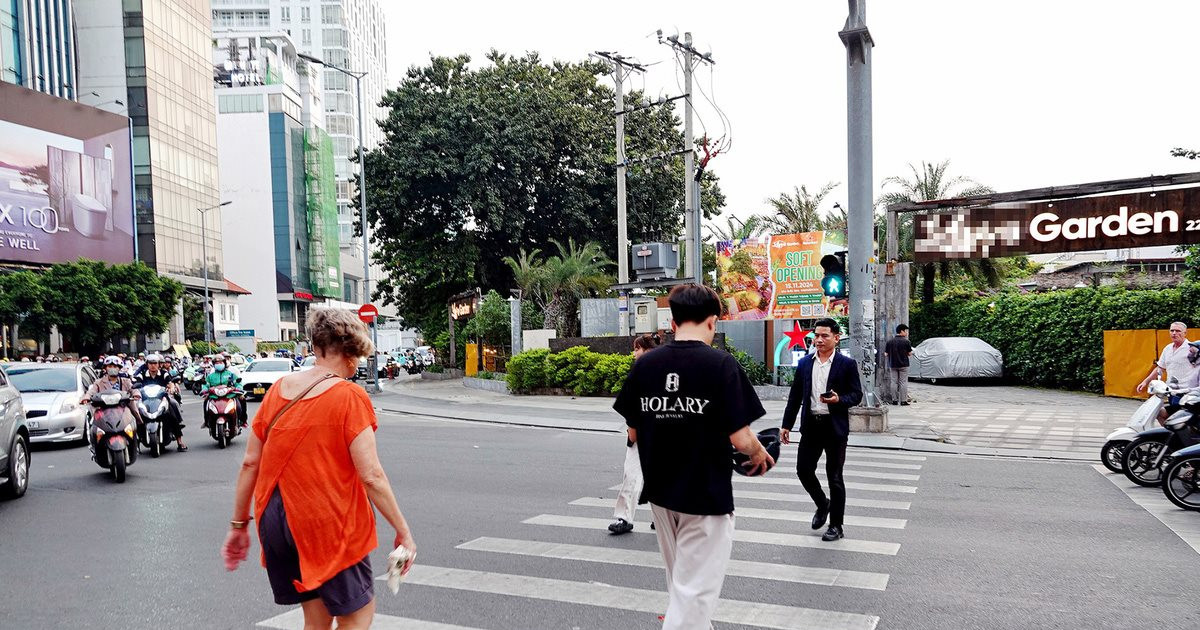
Traffic is one of the first things many visitors notice when arriving in Vietnam.
Hanoi and Ho Chi Minh City can have busy streets with a large number of motorbikes, cars, buses, and bicycles. Crossing the road may feel challenging at first, but it becomes easier once you understand the local rhythm.
A few useful tips:
- Look carefully in both directions before crossing.
- Walk at a steady and predictable pace.
- Avoid suddenly running across the street.
- Follow traffic signals where available.
- Use pedestrian crossings and footbridges when convenient.
- When possible, cross with other pedestrians.
If you are unfamiliar with Vietnamese traffic, your hotel, local guide, or tour operator can also advise you on safer routes.
(Source: Cong Ly Newspapers)
3. Choose Reliable Transportation
Vietnam offers many transportation options, including domestic flights, trains, buses, taxis, ride-hailing services, and private transfers.
For a smoother experience, use reputable transportation providers and confirm the vehicle and driver information before departure.
For airport transfers and private tours, booking through a reliable travel company can make transportation easier, particularly for first-time visitors or travelers arriving late at night.
If you rent a motorbike, make sure you understand Vietnamese traffic regulations and have the appropriate legal documentation and insurance coverage before riding.
4. Take Care With Your Passport and Travel Documents
Your passport is one of your most important belongings while traveling in Vietnam.
Keep your original passport in a secure location and carry a copy when appropriate. You may need your passport for hotel check-in, domestic flights, train travel, or other official procedures.
It is also a good idea to keep digital copies of:
- Passport information page
- Visa or e-visa
- Travel insurance documents
- Flight tickets
- Hotel reservations
- Emergency contact information
Store these copies securely online so that you can access them if your physical documents are lost.
5. Stay Hydrated and Protect Yourself From the Sun
Vietnam's climate varies considerably from north to south, and temperatures can be high, particularly during the warmer months.
During sightseeing days:
- Drink enough water throughout the day.
- Use sunscreen with adequate SPF.
- Wear a hat or lightweight clothing.
- Take breaks when walking for long periods.
- Carry a reusable water bottle when possible.
If you are visiting beaches, hiking areas, or rural destinations, remember that you may spend more time outdoors than expected.
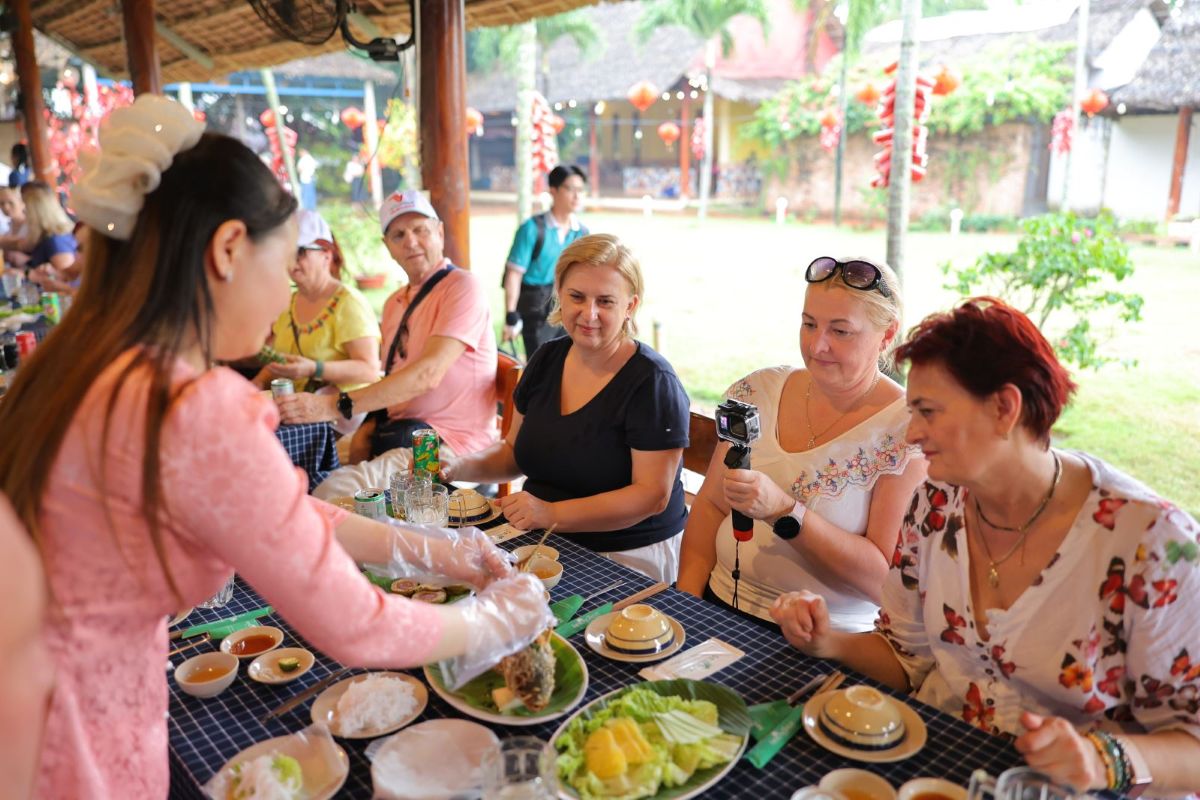
6. Be Careful With Food and Drinking Water
Vietnamese cuisine is one of the highlights of traveling around the country, from pho and banh mi to fresh seafood and regional specialties.
Street food can be a memorable part of the experience, but travelers should still pay attention to food hygiene.
Choose restaurants and food stalls that appear clean and busy, and be cautious with food that has been sitting out for a long time.
For drinking water, travelers who are not accustomed to the local water supply may prefer bottled or properly filtered water.
When buying bottled water, check that the seal is intact before opening it.
(Source: Tin Tuc Newspapers)
7. Take Extra Care During Outdoor Activities
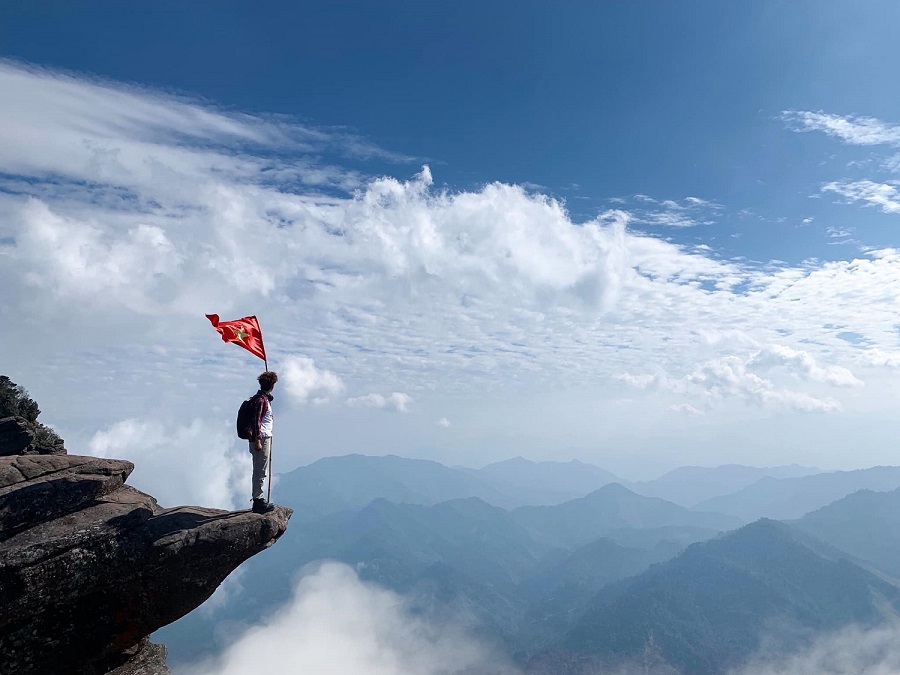
Vietnam offers many outdoor experiences, including trekking, cycling, kayaking, boat trips, and visits to mountainous areas.
Before joining an outdoor activity:
- Check the weather forecast.
- Wear suitable shoes and clothing.
- Follow your guide's instructions.
- Bring enough drinking water.
- Avoid restricted or dangerous areas.
- Do not underestimate heat, humidity, or sudden weather changes.
Weather conditions can change quickly in mountainous and coastal areas, so flexibility is important when planning outdoor activities.
8. Respect Local Customs and Cultural Sites
Vietnam has a rich cultural and religious heritage. Visitors are welcome at temples, pagodas, historical sites, and local communities, but appropriate behavior is important.
When visiting religious or traditional sites:
- Dress modestly.
- Remove your shoes when requested.
- Avoid loud conversations.
- Ask before photographing people.
- Follow signs and instructions.
- Do not touch religious objects or restricted areas.
Respecting local customs not only helps protect cultural heritage but also creates a more positive experience for both travelers and local communities.
9. Be Aware of Common Tourist Scams
Most travelers have a positive experience in Vietnam, but common tourist scams can occur in popular destinations.
Some situations may involve unclear prices, unofficial transportation, overcharging, or services that were not clearly agreed upon beforehand.
To reduce the risk:
- Confirm the price before accepting a service.
- Check restaurant menus and prices before ordering.
- Use reputable taxi or ride-hailing services.
- Keep receipts for important purchases.
- Be cautious when strangers approach you with unexpected offers.
- Book tours and major travel services through established providers.
If something feels unclear, take a moment to check the information before paying.
10. Stay Connected During Your Trip
Having a working phone connection makes traveling around Vietnam much easier.
A local SIM card or eSIM can help you use maps, contact your hotel, communicate with your tour operator, and access transportation applications.
Free Wi-Fi is also widely available in hotels, cafés, restaurants, and other establishments, particularly in major cities. However, having mobile data provides an additional backup when you are away from Wi-Fi.
11. Know Vietnam's Emergency Numbers
It is useful to save important emergency numbers before traveling.
The main emergency numbers in Vietnam are:
- Police: 113
- Fire Department: 114
- Ambulance: 115
Travelers should also save their hotel contact details, tour operator's emergency number, travel insurance assistance number, and the contact information of their country's embassy or consulate in Vietnam.
For a more detailed list of emergency contacts, see our Vietnam Emergency Call Guide.
12. Keep Your Travel Insurance Information Handy
Travel insurance can provide useful protection against unexpected situations such as medical emergencies, trip interruptions, lost baggage, or other covered travel problems.
Before departure, check what your policy covers and keep the emergency assistance details easily accessible.
If you need medical assistance during your trip, contact your insurance provider according to the instructions in your policy and seek appropriate local medical care.
13. What to Do If You Lose Your Passport
Losing a passport can be stressful, but staying calm and acting quickly can make the process easier.
If your passport is lost or stolen:
- Report the incident to the local police when appropriate.
- Contact your embassy or consulate in Vietnam.
- Contact your travel insurance provider if you have coverage.
- Keep copies of your passport and visa information available.
- Inform your hotel or tour operator if you need assistance with transportation or communication.
Having digital copies of your documents can significantly simplify the process.
14. Safety Tips for Solo Travelers
Vietnam can be explored independently, but solo travelers should take the same precautions they would in any unfamiliar destination.
Keep someone informed about your itinerary, especially when traveling to remote areas. Avoid walking alone in unfamiliar areas late at night, and keep your phone charged so you can contact someone when necessary.
If you are traveling alone for the first time in Vietnam, organized tours or private transfers can also provide additional convenience and local support.
15. Safety Tips for Families Traveling in Vietnam
Vietnam is a popular destination for family holidays, offering beaches, cultural attractions, nature experiences, and activities suitable for different age groups.
Families should pay particular attention to:
- Traffic when crossing roads.
- Children staying close in crowded areas.
- Sun exposure and hydration.
- Food and drinking water.
- Appropriate child seats when traveling by vehicle.
- Hotel pool and beach safety.
- Keeping important documents together.
Planning transportation and sightseeing in advance can also make family travel more comfortable.
Vietnam Safety Checklist Before You Travel
Before your Vietnam trip, make sure you have:
- A valid passport
- The appropriate visa or entry documentation
- Travel insurance information
- Hotel and transportation confirmations
- Emergency contact numbers
- Copies of important documents
- A working SIM card or eSIM
- Some Vietnamese cash for small purchases
- Sunscreen and appropriate clothing
- Any essential personal medication
Final Thoughts: Enjoy Vietnam With Confidence
Vietnam is a fascinating destination with diverse landscapes, vibrant cities, delicious cuisine, and welcoming local communities. Following a few simple Vietnam travel safety tips can help you avoid common problems and make your journey more comfortable.
The key is not to worry unnecessarily, but to travel responsibly: protect your belongings, pay attention to traffic, choose reliable services, respect local customs, and know who to contact if something unexpected happens.
With sensible preparation and an open mind, you can focus on what really matters - discovering Vietnam, meeting local people, tasting its cuisine, and creating memorable travel experiences.
Plan Your Vietnam Journey With Asia Pacific Travel
From private tours and family holidays to tailor-made itineraries and group travel, Asia Pacific Travel can help you organize your Vietnam journey with local expertise and reliable on-the-ground support.
Explore our Ultimate Vietnam Travel Guide for more information about destinations, transportation, cuisine, weather, visa information, and itinerary planning.
Related Posts
.png)
.png)