

North Vietnam Guide: Best Places to Visit, Things to Do & Travel Tips
From the historic streets of Hanoi and the limestone landscapes of Ninh Binh to the dramatic mountains of Ha Giang and the emerald waters of Ha Long Bay, North Vietnam offers some of the country's most diverse travel experiences.
Northern Vietnam is an ideal destination for travelers interested in culture, nature, local communities, food and authentic experiences. You can explore bustling city streets in the morning, visit ethnic minority villages in the mountains the next day, and cruise among limestone islands shortly afterward.
This North Vietnam travel guide covers the best destinations, things to do, transportation, weather, suggested itineraries and practical travel tips to help you plan your trip.
Where Is North Vietnam?
North Vietnam generally refers to the northern part of the country, stretching from the Red River Delta around Hanoi to the mountainous regions bordering China and Laos.
The region includes several of Vietnam's most famous destinations, including:
- Hanoi
- Ha Long Bay
- Ninh Binh
- Sapa
- Ha Giang
- Mai Chau
- Cao Bang
- Ba Be National Park
Each destination has a different character. Hanoi is the cultural and historical center, while Ninh Binh is known for karst mountains and rivers. Ha Long Bay offers spectacular seascapes, and the northern mountains provide opportunities for trekking and cultural encounters.
Best Places to Visit in North Vietnam
1. Hanoi
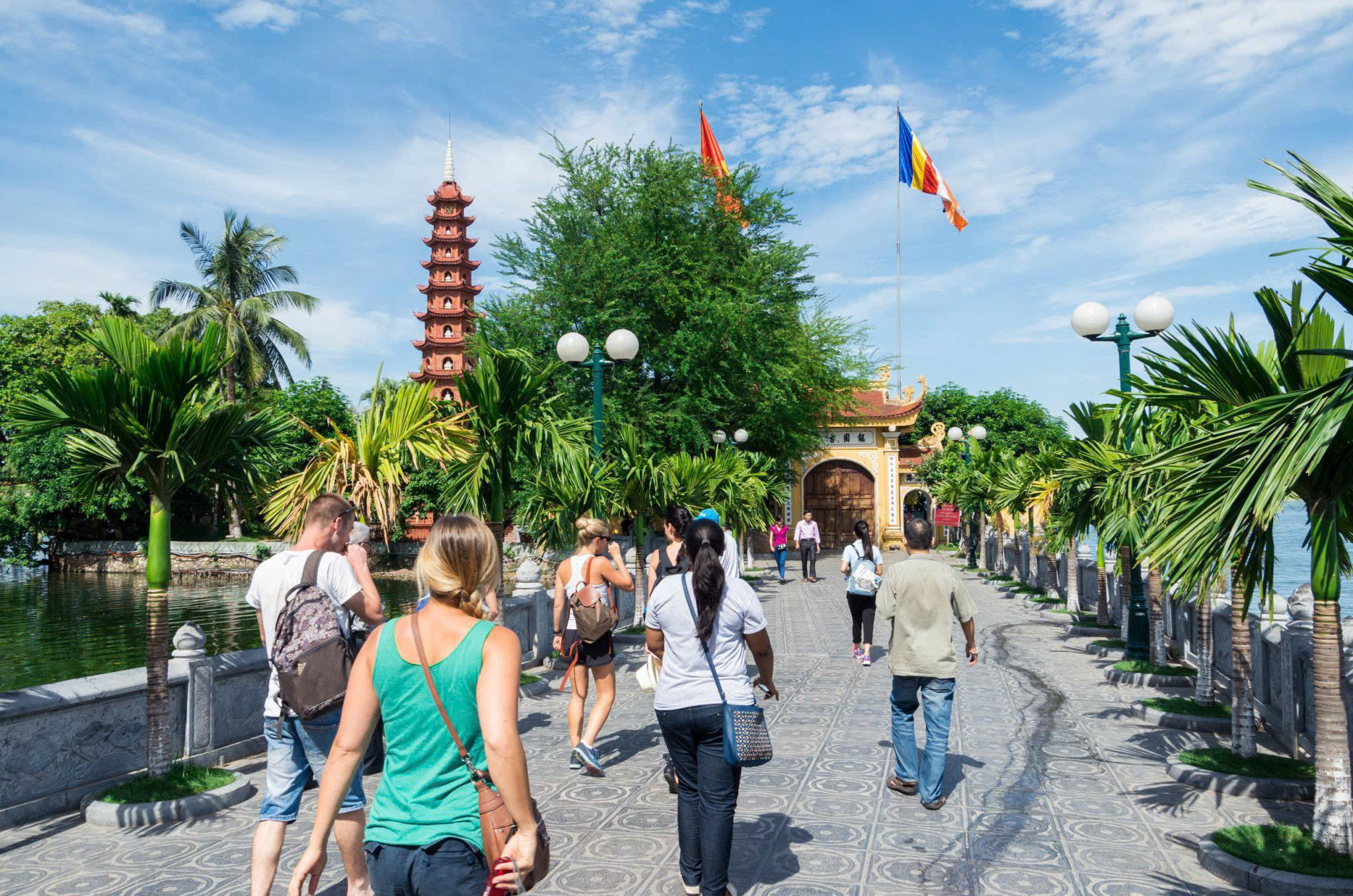
The capital combines centuries-old architecture, French colonial influences, traditional Vietnamese culture and a lively modern atmosphere.
Some of the highlights include:
- Hoan Kiem Lake
- Hanoi Old Quarter
- Temple of Literature
- Ho Chi Minh Mausoleum complex
- West Lake
- Hanoi Train Street
- Dong Xuan Market
- Local street food areas
Don't leave Hanoi without trying some local specialties. Pho, bun cha, banh cuon, egg coffee and Vietnamese iced coffee are among the foods worth adding to your itinerary.
For first-time visitors, spending 2–3 days in Hanoi allows enough time to explore the main attractions while also experiencing the city's food and everyday life.
(Source: Cozy Vietnam Travel)
2. Ninh Binh
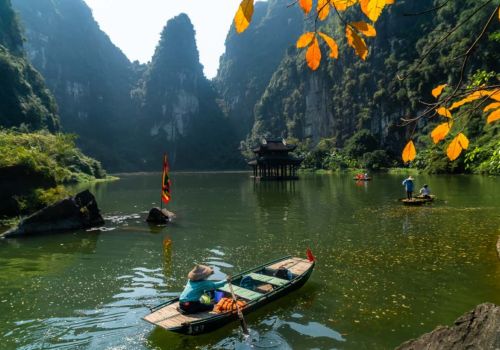
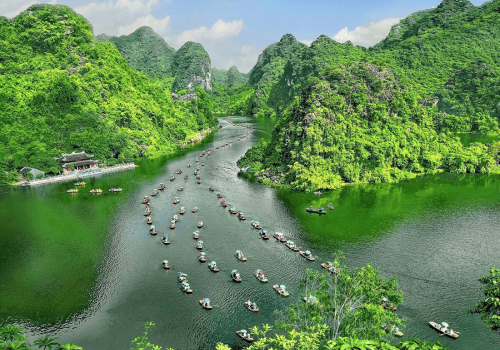
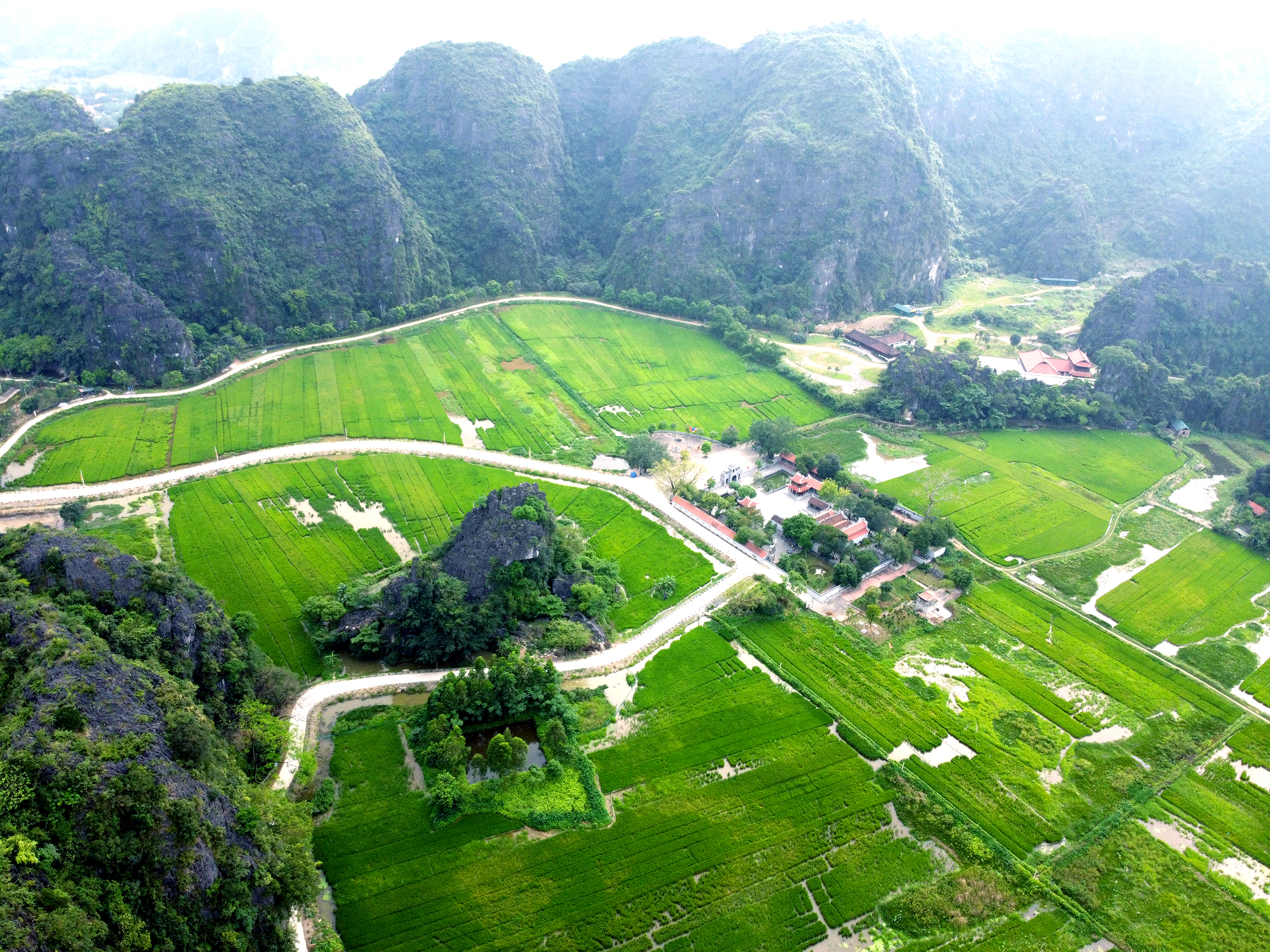
The area is famous for towering limestone karsts, peaceful rivers, rice fields and ancient temples.
Top attractions include:
- Trang An Scenic Landscape Complex
- Tam Coc
- Mua Cave
- Hoa Lu Ancient Capital
- Bich Dong Pagoda
- Van Long Nature Reserve
A boat trip through Trang An or Tam Coc is one of the best ways to experience the landscape.
Ninh Binh can be visited as a day trip from Hanoi, but staying 1–2 nights allows you to explore the countryside at a more relaxed pace.
3. Ha Long Bay
The most popular way to experience the bay is by taking an overnight cruise.
Depending on your cruise, activities may include:
- Kayaking
- Cave visits
- Swimming
- Sunset viewing
- Vietnamese cooking demonstrations
- Squid fishing
- Tai Chi
- Visiting floating or fishing communities
For a more relaxed experience, consider a 2-day, 1-night cruise. Travelers with more time can choose a longer itinerary covering less-visited areas.
.jpg?1790568442099)
4. Sapa
The surrounding area is home to communities including the Hmong, Dao, Tay and Giay people.
Popular activities include:
- Trekking through Muong Hoa Valley
- Visiting ethnic minority villages
- Exploring rice terraces
- Taking the cable car to Fansipan
- Experiencing a local homestay
- Visiting local markets
Sapa is more developed and tourism-oriented than some other mountain destinations in Northern Vietnam. However, it remains a convenient choice for travelers looking for mountain scenery and trekking opportunities.
A stay of 2–3 nights is recommended for travelers who want to combine sightseeing and trekking.
.jpg?1790568465579)
5. Ha Giang
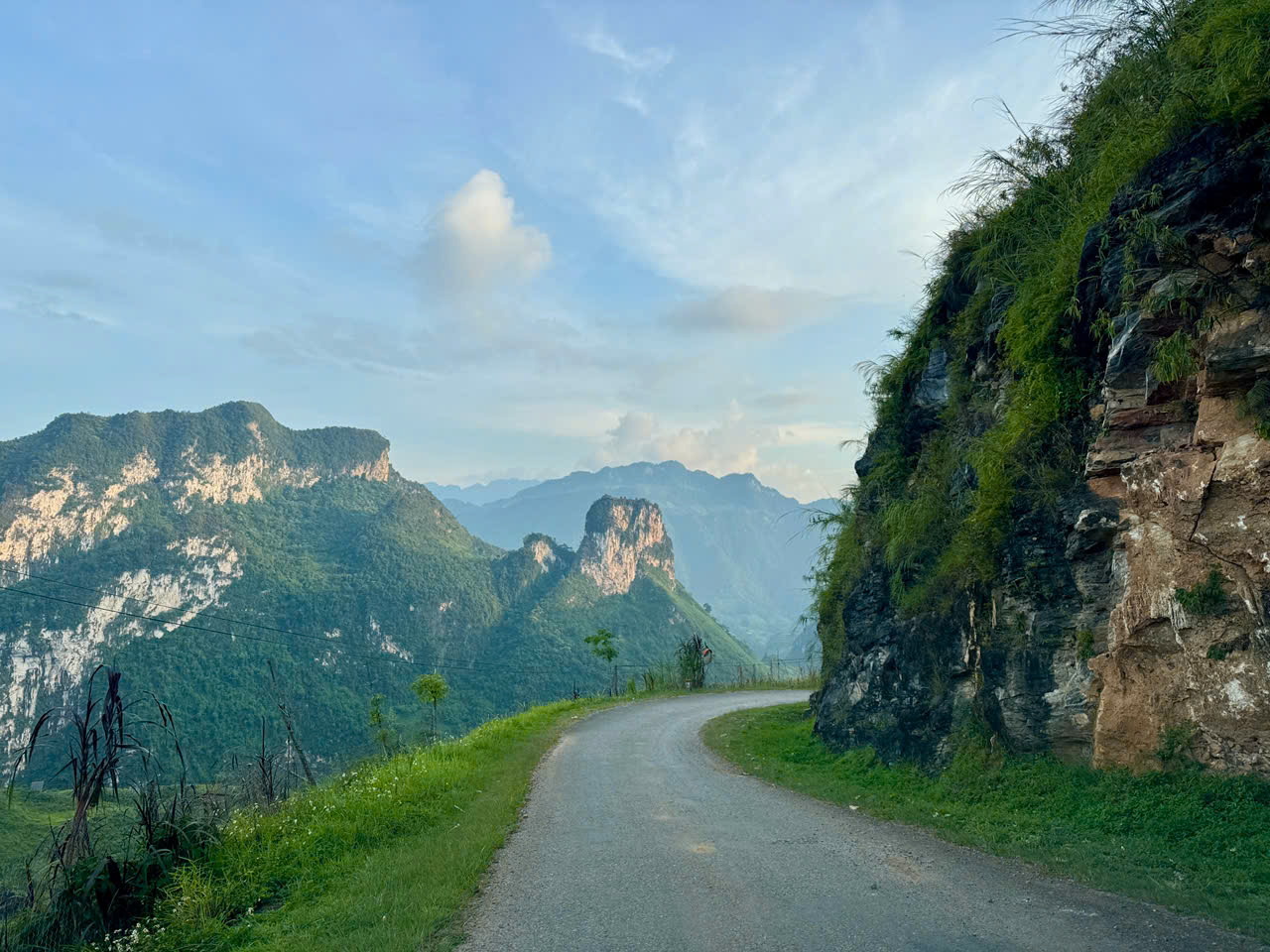
For travelers looking for spectacular mountain landscapes and a more adventurous experience, Ha Giang is one of the highlights of Northern Vietnam.
The region is known for winding mountain roads, deep valleys, limestone peaks and traditional villages.
The famous Ha Giang Loop usually includes destinations such as:
- Quan Ba
- Yen Minh
- Dong Van
- Ma Pi Leng Pass
- Meo Vac
- Nho Que River
The journey is about more than scenery. Along the way, travelers can encounter different ethnic communities and see traditional rural life.
Because the journey involves long road sections and mountain roads, it is better suited to travelers who have at least 3–4 days available.
6. Mai Chau
If you prefer a quieter and more local experience, Mai Chau is an excellent alternative to some of Northern Vietnam's more heavily visited destinations.
The valley is surrounded by mountains and rice fields and is home to communities including the White Thai people.
Things to do in Mai Chau include:
- Cycling through rice fields
- Visiting local villages
- Meeting local families
- Watching traditional performances
- Exploring the countryside
- Staying in a traditional-style homestay
Mai Chau works particularly well as a 1–2 night escape from Hanoi.
Compared with Sapa, Mai Chau generally offers a more relaxed rural atmosphere and is less focused on high-altitude mountain trekking.
.jpg?1790568585752)
7. Cao Bang
Cao Bang is one of Northern Vietnam's less-visited destinations and is ideal for travelers who want to explore beyond the classic Hanoi–Ha Long–Ninh Binh route.
The highlight is Ban Gioc Waterfall, one of the most impressive waterfalls in Vietnam.
Other attractions include:
- Nguom Ngao Cave
- Ban Gioc Waterfall
- Phat Tich Truc Lam Ban Gioc Pagoda
- Mountain valleys and ethnic villages
- Traditional local markets
Cao Bang requires more travel time than destinations closer to Hanoi, so it is best included in a longer Northern Vietnam itinerary.
.jpg?1790568644323)
8. Ba Be National Park
Ba Be National Park is another option for travelers interested in nature and rural communities.
The centerpiece is Ba Be Lake, surrounded by forest-covered mountains and traditional villages.
Travelers can enjoy:
- Boat trips on Ba Be Lake
- Short hikes
- Cycling
- Cave exploration
- Village visits
- Local homestays
Ba Be is particularly suitable for travelers looking for a quieter alternative to some of Northern Vietnam's more popular destinations.

Best Things to Do in North Vietnam
Northern Vietnam offers a combination of cultural, natural and culinary experiences.
Explore Hanoi's Old Quarter
Walk through the narrow streets, visit traditional shops and try local street food.
Take a Boat Trip in Ninh Binh
Cruise through limestone mountains and peaceful waterways in Trang An or Tam Coc.
Spend a Night on Ha Long Bay
An overnight cruise allows you to enjoy the bay after the day-trip crowds have left.
Trek Through Mountain Villages
Sapa and Ha Giang offer opportunities to explore valleys, rice terraces and ethnic minority communities.
Experience Local Life in Mai Chau
Cycling through rice fields and visiting traditional villages is a great way to experience rural Northern Vietnam.
Try Northern Vietnamese Cuisine
Don't miss dishes such as:
- Pho
- Bun cha
- Banh cuon
- Cha ca
- Xoi
- Banh tom
- Egg coffee
Best Time to Visit North Vietnam
The weather varies considerably across Northern Vietnam because of the region's geography.
September to November
This is generally a popular period for traveling in Northern Vietnam. Temperatures are more comfortable, and the mountain landscapes can be particularly beautiful.
December to February
Northern Vietnam can be cool and occasionally foggy, especially in mountainous destinations such as Sapa and Ha Giang.
Hanoi can also feel surprisingly cold during winter compared with southern Vietnam.
March to May
Spring is another good period for exploring Northern Vietnam. Temperatures are generally comfortable, making it suitable for sightseeing and outdoor activities.
June to August
Summer is hot and humid, with a higher possibility of rain and storms.
Mountain areas can still be attractive, but travelers should allow some flexibility because heavy rain can affect transportation and outdoor activities.
Tip: Weather conditions differ between Hanoi, the lowlands and the northern mountains, so check the forecast for each destination rather than relying on Hanoi's weather alone.
How to Travel Around North Vietnam
Hanoi is the main transportation hub for Northern Vietnam.
Private Car
Private transfers are convenient for families, couples and groups, particularly when traveling between destinations such as Hanoi, Ninh Binh, Mai Chau and Ha Long Bay.
Train
The railway connects Hanoi with several destinations, including Lao Cai for access to Sapa.
Overnight trains can be useful for travelers who want to save daytime travel time.
Bus and Shuttle
Shuttle buses and tourist buses connect Hanoi with many popular destinations. They are generally practical for travelers on a budget.
Domestic Flights
For most Northern Vietnam destinations, flights are not necessary. Hanoi is usually the most convenient gateway, with road and rail transportation covering the main tourist routes.
North Vietnam Travel Tips
1. Bring Different Types of Clothing
Northern Vietnam can experience significant temperature differences between seasons. If you are traveling from Hanoi to the mountains, pack an additional warm layer during the cooler months.
2. Wear Comfortable Shoes
Many attractions involve walking, uneven paths or stairs. Comfortable footwear is particularly important for Ninh Binh, Sapa and Ha Giang.
3. Allow Extra Time for Mountain Travel
Road journeys in the northern mountains can take longer than expected because of winding roads and weather conditions.
4. Carry Some Cash
Cards are widely accepted in cities and tourist areas, but cash remains useful in rural villages and local markets.
5. Respect Local Communities
When visiting ethnic minority villages, ask before photographing people and respect local customs and private spaces.
6. Don't Try to See Everything
Northern Vietnam has many destinations, but trying to cover too much in a short trip can result in long hours on the road.
It is often better to choose 2–4 destinations and experience them properly.
Is North Vietnam Worth Visiting?
For travelers interested in combining culture, nature, food and local experiences, Northern Vietnam offers an exceptionally varied travel experience within a relatively compact region.
You can begin with Hanoi's historic streets, travel through the limestone landscapes of Ninh Binh, cruise around Ha Long Bay and then continue into the mountains of Sapa or Ha Giang.
The key is choosing destinations according to your travel style:
| Destination | Best For |
|---|---|
| Hanoi | Culture, history & food |
| Ninh Binh | Nature & boat trips |
| Ha Long Bay | Cruises & seascapes |
| Sapa | Trekking & mountain scenery |
| Ha Giang | Road trips & dramatic landscapes |
| Mai Chau | Local life & countryside |
| Cao Bang | Waterfalls & off-the-beaten-path travel |
| Ba Be | Nature & peaceful rural experiences |
Suggested North Vietnam Itinerary
For first-time visitors, a balanced itinerary could look like this:
Day 1–2: Hanoi
Explore the Old Quarter, Hoan Kiem Lake, local markets and major cultural attractions.
Day 3–4: Ninh Binh
Visit Trang An, Mua Cave and surrounding countryside.
Day 5–6: Ha Long Bay
Enjoy a 2-day, 1-night cruise with kayaking, caves and other onboard activities.
Day 7–9: Sapa
Explore the mountains, rice terraces and ethnic minority villages.
Day 10: Return to Hanoi
Spend your final day relaxing, shopping or enjoying Hanoi's food scene.
For travelers with more time, Ha Giang, Mai Chau or Cao Bang can be added depending on interests and preferred travel pace.
Plan Your North Vietnam Journey
North Vietnam is much more than a collection of famous tourist attractions. Its appeal comes from the contrast between historic cities, peaceful countryside, limestone landscapes and mountain communities.
Whether you want a comfortable cultural holiday, an active trekking adventure or a tailor-made journey combining iconic highlights with local experiences, Northern Vietnam can be adapted to different travel styles and budgets.
Asia Pacific Travel can arrange tailor-made journeys in Vietnam, including private transportation, accommodation, local guides, cruises and customized itineraries throughout Northern Vietnam.
Related Posts
.jpg)
.png)