



Journey Through Time: The Terraced Rice Fields of Mung Hamlet
Hidden away in the folds of Vietnam’s majestic Central Highlands, Mung Hamlet is the kind of place that doesn’t show up on the usual tourist maps. There are no big tour buses, no luxury resorts, and no fast-paced crowds. What you’ll find instead is something far more valuable — serenity, authenticity, and a deep connection between people and the land they’ve shaped for generations.
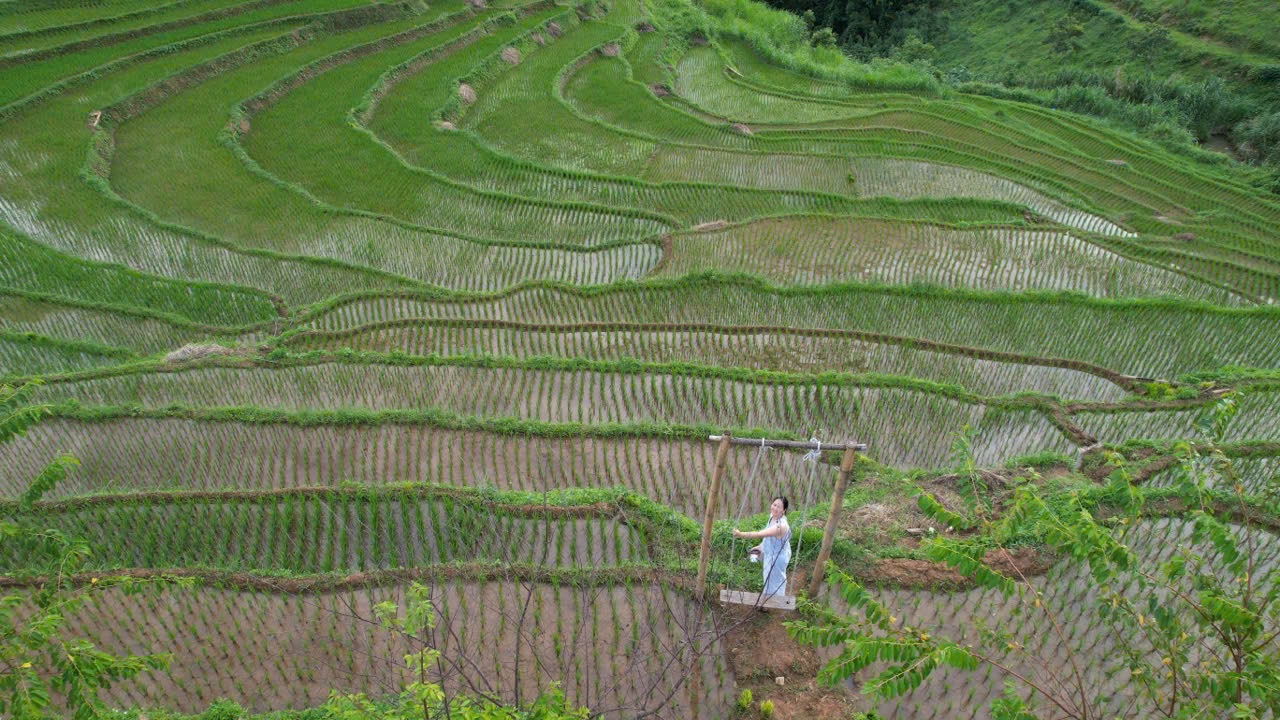
The terraced rice fields of Mung Hamlet are not only visually stunning — they are living landscapes, shaped by both nature and culture over centuries. These steps of green that stretch endlessly along the mountainsides are more than just rice paddies. They are stories carved into the earth, representing a way of life that is deeply intertwined with Vietnam’s agricultural soul.
The Art of Terracing: Nature Meets Human Ingenuity
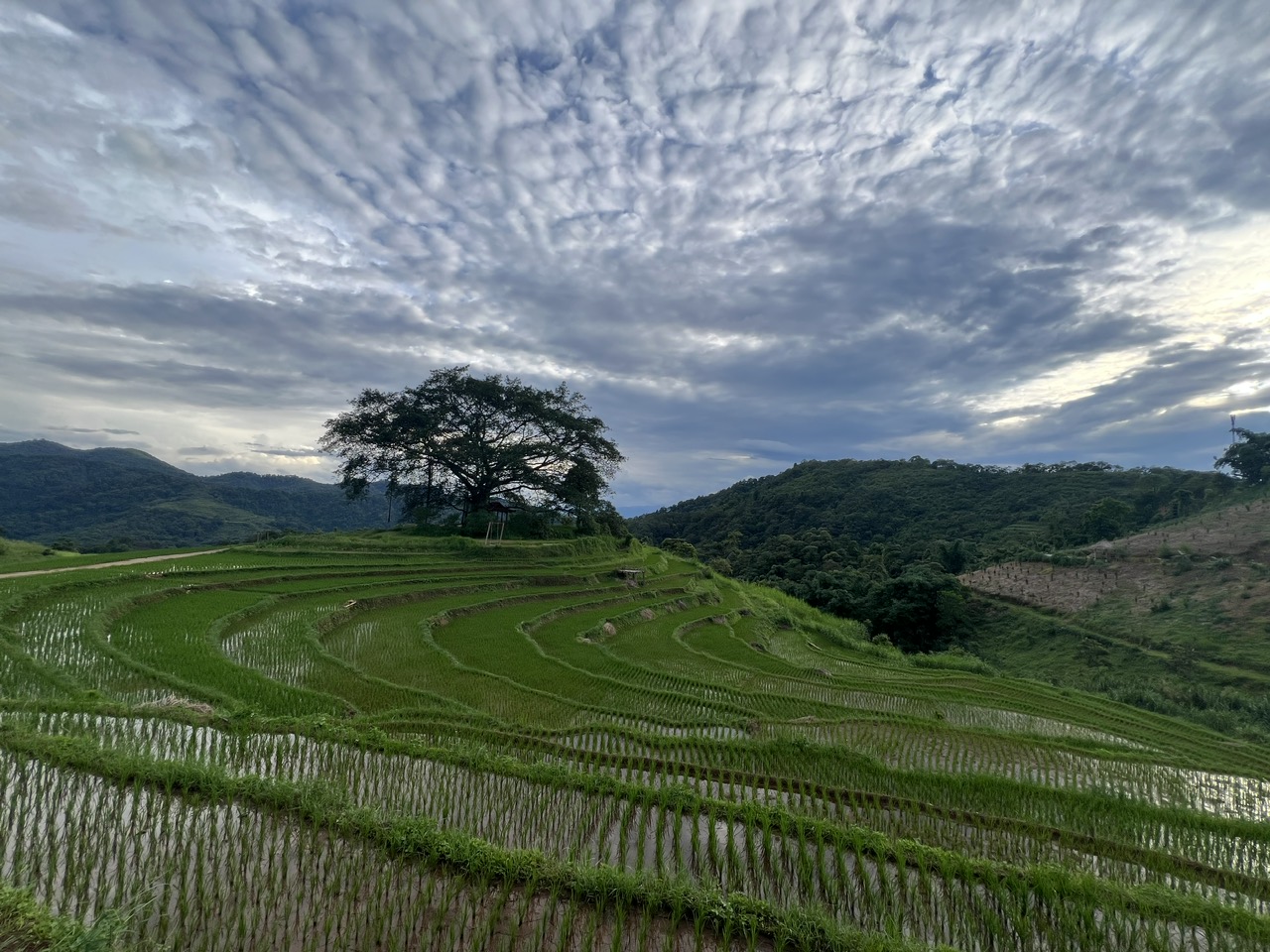
When you first catch sight of the terraces in Mung Hamlet, especially in the soft morning light or during golden hour, it feels almost surreal — like walking into a painting. The fields layer the mountains like waves frozen in motion, gently curving along the contours of the hills.
Terracing rice fields is an ancient practice, born of necessity and perfected over time. In Mung Hamlet, it’s a skill passed from parent to child, generation after generation. Without access to large flatlands, the ethnic communities here — mostly H’Mong and Bahnar — have ingeniously adapted their farming to the challenging terrain. The result? A landscape that’s not only functional but breathtakingly beautiful.
Every stone placed, every contour carved, is a testament to the resilience and creativity of the people who call this place home.
When to Visit: A Shifting Palette of the Seasons
The rice fields change with the seasons, offering different kinds of beauty throughout the year:
-
May to June (Watering Season): Fields are flooded in preparation for planting. The terraces turn into a mosaic of glassy mirrors reflecting the sky, clouds, and surrounding mountains. This is arguably the most magical time for photographers.
-
July to August (Growing Season): The paddies glow with vibrant shades of green as the rice plants shoot up. The hills look like velvet blankets laid out by hand.
-
September to October (Harvest Season): Everything turns gold. This is when the rice is at its peak, and the villagers begin their most important work of the year. The air is filled with the scent of ripe grains and the sound of joyful harvest songs.
-
November to February: The fields rest, but the highland mists and quiet atmosphere give Mung Hamlet a mystical charm that appeals to those seeking solitude and calm.
Life in Mung Hamlet: Slow, Simple, and Soulful
What truly makes a visit to Mung Hamlet unforgettable isn’t just the scenery — it’s the life you’ll find woven into it.
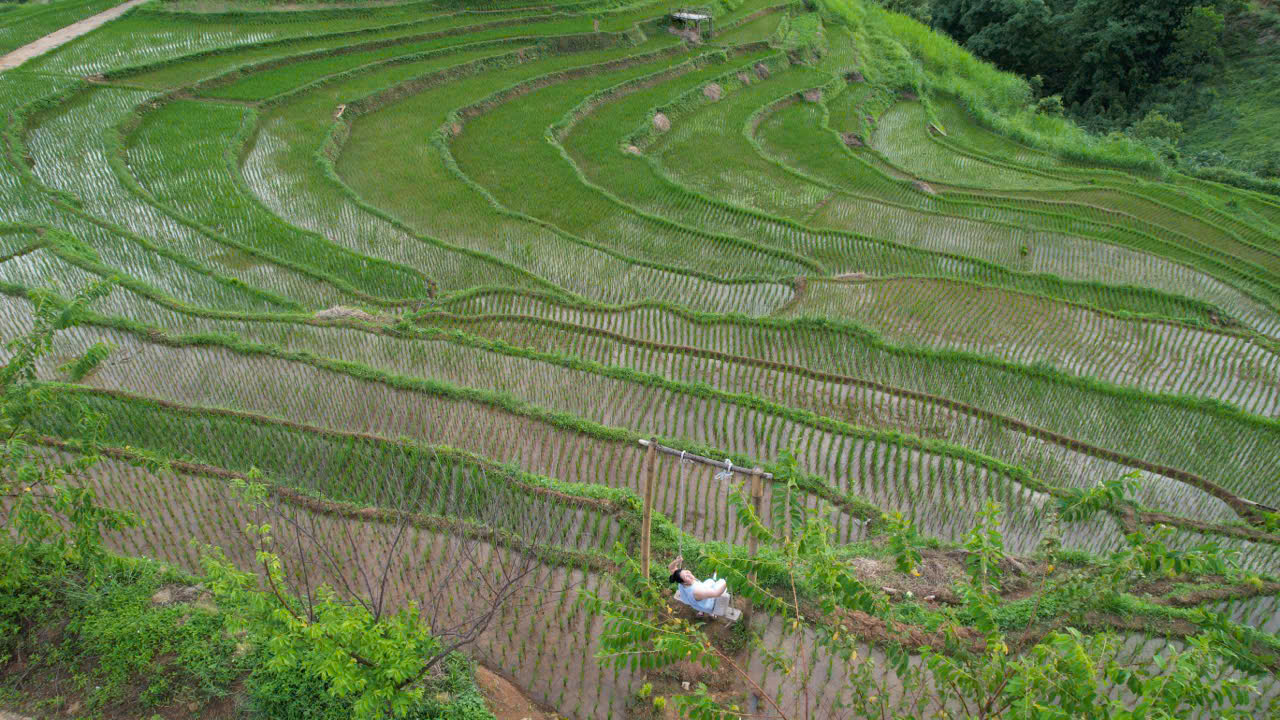
Here, roosters replace alarm clocks, and the smoke from wood-burning stoves fills the early morning air. You’ll see women in colorful traditional clothing planting seedlings, children herding ducks along narrow paths, and elders sitting on wooden porches, watching the day go by with unhurried eyes.
Staying in a local homestay is the best way to experience this lifestyle. You might help your host prepare a meal over an open fire, join a small rice harvesting team for the morning, or simply sit on the balcony and sip tea while watching clouds drift between the mountaintops.
The people here live humbly, but with great pride — and they welcome respectful travelers with open hearts and open homes.
For the Adventurous: What to Do Beyond the Fields
If you’re the kind of traveler who loves to explore on foot, Mung Hamlet has plenty to offer:
-
Trekking and hiking: Trails around the rice terraces lead to quiet streams, hidden waterfalls, and viewpoints that few outsiders have seen.
-
Cultural experiences: Join a local weaving workshop, try your hand at traditional cooking, or attend a village ceremony if the timing is right.
-
Photography: The play of light and shadow on the terraced fields makes every hour of the day a chance to capture something new.
-
Wildlife spotting: The surrounding forests are home to birds, butterflies, and even rare orchids for those with a sharp eye.
Unlike more commercial destinations, this is a place where you make your own adventure, guided by your curiosity and the kindness of the locals.
Why Mung Hamlet Matters
In an age of over-tourism and commercial travel experiences, places like Mung Hamlet are precious. They remind us that true beauty doesn’t always come with Wi-Fi, convenience, or five-star ratings. Sometimes, it lives in the rhythm of rural life, in the calloused hands of farmers, in the golden hush of harvest time.
Mung Hamlet is not just a destination — it’s a reminder. That slow is beautiful. That culture matters. And that some of the most meaningful journeys are found in the quietest corners of the world.
Travel Notes:
-
Getting there: Mung Hamlet is best accessed by motorbike or private car from major towns in the Central Highlands. The roads can be steep and narrow, so experienced drivers are recommended.
-
Best time to visit: May–October for terrace beauty; September for harvest activities.
-
What to pack: Hiking shoes, a light raincoat, insect repellent, and a warm jacket for cool highland nights.
-
Respect the culture: Dress modestly, ask before taking photos of people, and support local businesses and homestays whenever possible.
Feel free to contact us to make your plan: Asia Pacific Travel
Related Posts
.jpg)
.png)