




Ha Thai Lacquer Village: Discover Vietnam’s Timeless Art of Lacquer Craftsmanship
Introduction
Just beyond the bustling streets of Hanoi lies a peaceful village where creativity, patience, and heritage have shaped daily life for generations. Ha Thai Lacquer Village, located in northern Vietnam, is one of the country’s hidden cultural treasures, offering visitors an opportunity to step away from urban life and discover a traditional craft that has been preserved for centuries.
For travelers searching for authentic experiences beyond famous landmarks and crowded tourist attractions, Ha Thai provides something unique. Instead of modern shopping districts and busy city roads, visitors are welcomed by quiet village lanes, family workshops, handcrafted artwork, and artisans whose skills have been passed down through generations.
The village is best known for its lacquer craftsmanship, a traditional Vietnamese art form admired for its elegance, durability, and remarkable attention to detail. Every polished surface reflects patience. Every decorative design carries artistic dedication. Every workshop tells a story deeply connected to Vietnamese cultural identity.
Whether you are passionate about traditional art, interested in cultural exploration, or simply looking for a memorable day trip from Hanoi, Ha Thai Lacquer Village offers an experience that combines history, craftsmanship, and local life in a way few destinations can.
Where is Ha Thai Lacquer Village?
Ha Thai Lacquer Village is located in Duyen Thai Commune, Thuong Tin District, approximately 20 kilometers south of Hanoi city center. Its convenient location makes it an ideal destination for travelers wanting to explore traditional Vietnam without traveling too far from the capital.
The journey from Hanoi usually takes around forty to sixty minutes depending on traffic conditions. As visitors leave the city behind, the scenery gradually changes from busy streets and modern buildings to quieter roads lined with local homes, small markets, and agricultural landscapes.
Unlike larger tourist destinations, Ha Thai maintains a peaceful atmosphere where village life continues naturally alongside traditional craftsmanship. Walking through the area, visitors quickly notice that artistic production is not separated from daily life. Workshops stand beside homes, families work together across generations, and craftsmanship remains an important part of the local community.
This connection between tradition and everyday living creates a special atmosphere that makes Ha Thai feel authentic rather than commercialized.
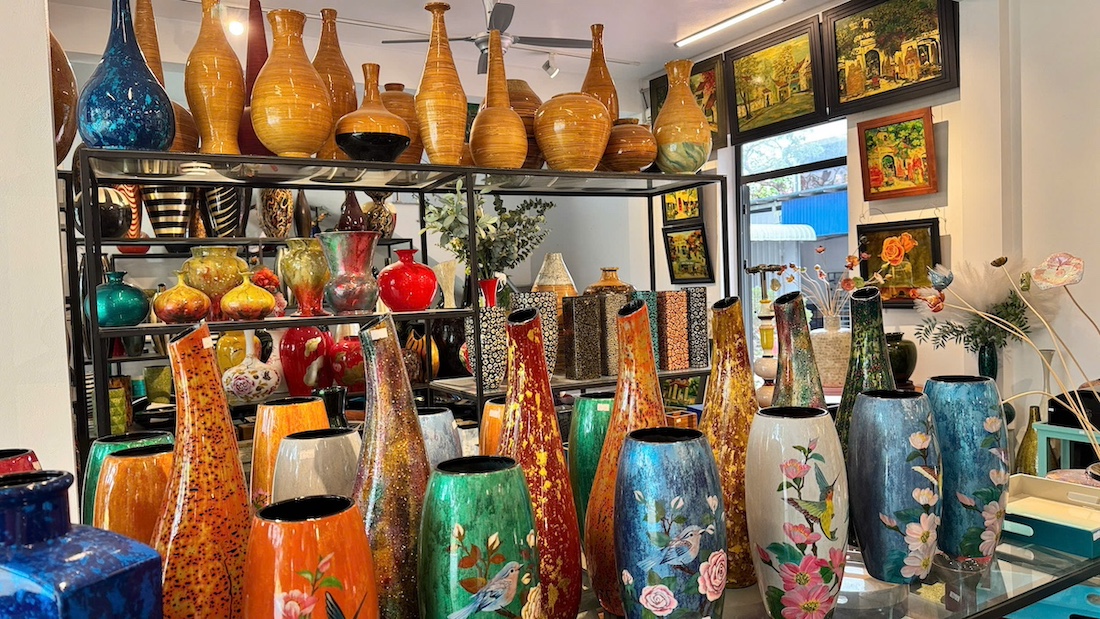
A Village with a Long Artistic Tradition
Ha Thai has built its reputation through lacquer craftsmanship, a tradition preserved and developed for more than two hundred years. While Vietnam’s lacquer art dates back much further historically, Ha Thai became one of northern Vietnam’s most respected centers for this specialized craft.
Traditional Vietnamese lacquerware originally developed using resin extracted from lacquer trees. Over time, artisans transformed this practical material into an artistic medium capable of producing decorative objects, furniture, paintings, and household items known for both beauty and durability.
Generations of families in Ha Thai dedicated themselves to mastering these techniques. Skills were passed from parents to children, allowing specialized knowledge to survive changing economic conditions and modernization.
Today, despite industrial production and global competition, local artisans continue preserving traditional methods while adapting designs to suit contemporary tastes. This balance between preservation and innovation allows Ha Thai to remain relevant while maintaining its artistic identity.
Walking through the village reveals how deeply craftsmanship remains connected to community life. Artistic knowledge is often shared among multiple generations within the same family. Young artisans learn alongside experienced craftspeople, ensuring that traditional techniques continue evolving without disappearing.
This relationship between heritage and modern adaptation gives Ha Thai its lasting importance within Vietnam’s cultural landscape.
What Makes Vietnamese Lacquer Art Special?
Lacquer art differs from ordinary decorative production because it demands exceptional patience, technical skill, and precision. Creating lacquer products involves multiple stages that require careful attention to detail and years of practice to master.
The process often begins by preparing a foundation using materials such as wood, bamboo, ceramic surfaces, or composite bases. Artisans gradually apply multiple lacquer layers rather than completing the product in a single stage. Each layer requires drying time before additional work can continue.
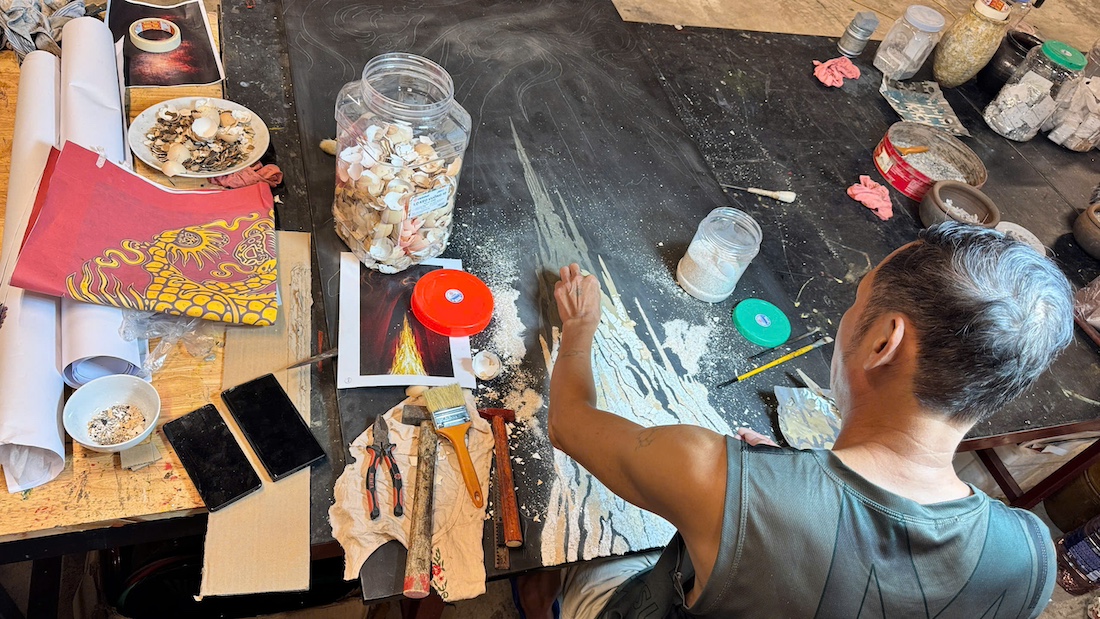
Surfaces are repeatedly polished to achieve the smooth texture and reflective finish that define traditional lacquer craftsmanship. Decorative materials including eggshell fragments, natural pigments, gold leaf, silver details, and mother-of-pearl inlays may also be incorporated to create depth, texture, and artistic complexity.
Traditional Vietnamese lacquer designs frequently feature elegant colors such as black, red, gold, brown, and earthy tones. Many pieces also draw inspiration from Vietnamese culture and nature, including lotus flowers, village landscapes, birds, rivers, and countryside scenes.
Modern artisans in Ha Thai continue experimenting with contemporary aesthetics while preserving traditional craftsmanship. This combination of innovation and heritage allows lacquer art to evolve while maintaining its cultural authenticity.
The result is more than decoration. Vietnamese lacquer craftsmanship represents patience transformed into art.
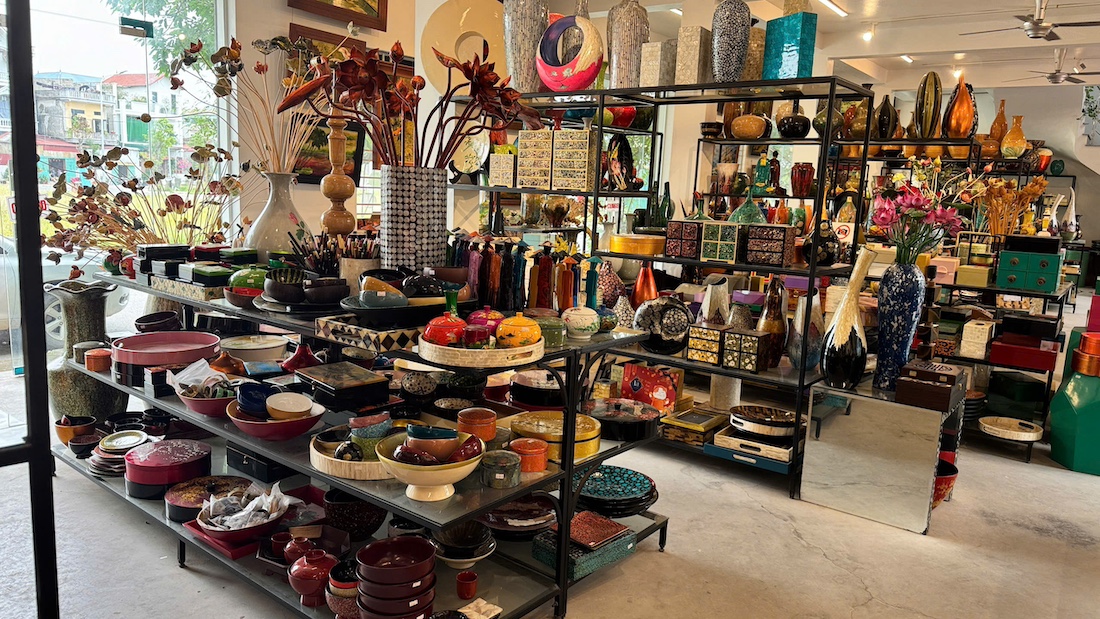
Experiencing Ha Thai Village as a Visitor
One of the most rewarding aspects of visiting Ha Thai Lacquer Village is the opportunity to experience craftsmanship firsthand. Unlike museums where visitors only admire completed works, Ha Thai allows travelers to witness artistic creation in progress.
Walking through local workshops reveals artisans focused carefully on different stages of production. Some polish lacquer surfaces repeatedly to create smooth finishes. Others paint intricate details, arrange decorative materials, or prepare products for later stages of completion.
The atmosphere feels authentic rather than designed specifically for tourism. The sounds of workshop tools, the sight of colorful materials, and the concentration visible on artisans’ faces create an immersive cultural experience.
Visitors interested in photography will also find endless visual inspiration. Artistic workspaces, handcrafted materials, polished surfaces, and quiet village surroundings create memorable travel images reflecting both craftsmanship and local life.
Some workshops welcome visitors who wish to learn more about production methods or traditional techniques. Conversations with artisans often become one of the most meaningful parts of the experience.
Observing craftsmanship directly creates a deeper appreciation for the skill behind handmade products that might otherwise appear simple at first glance.
The Beauty of Handmade Lacquer Products
Ha Thai Village produces an impressive variety of lacquer products combining traditional techniques with modern creativity.
Decorative lacquer paintings remain among the village’s most admired creations. These works frequently feature Vietnamese landscapes, lotus flowers, village life, birds, natural scenery, and artistic interpretations inspired by local culture.
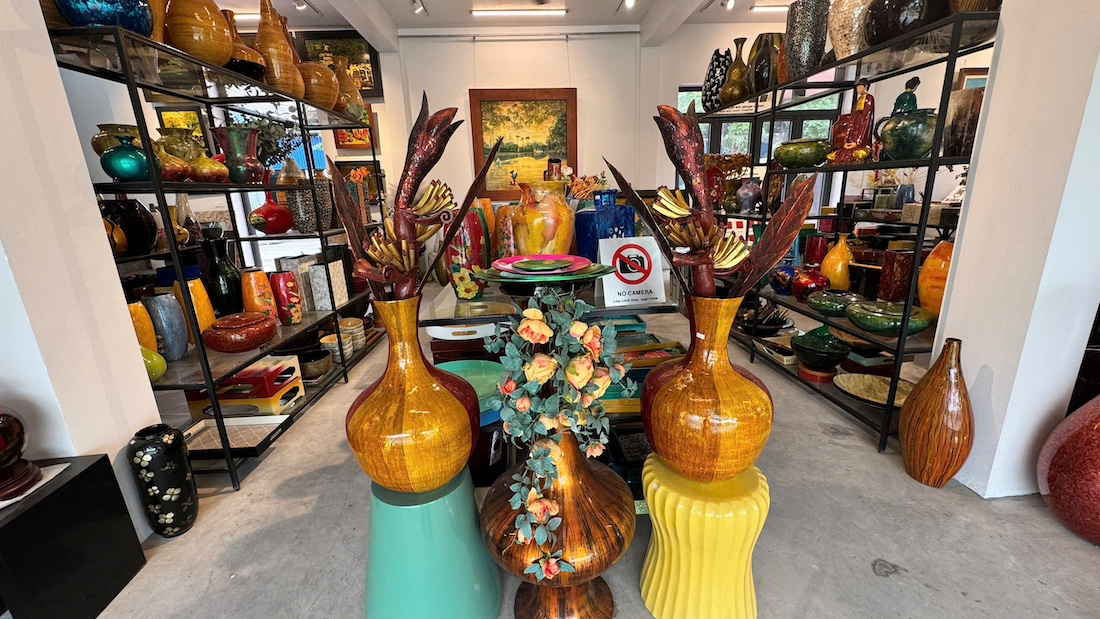
Visitors can also discover elegant home decoration products including trays, bowls, jewelry boxes, decorative containers, vases, and interior design pieces suitable for contemporary living spaces.
Some workshops create lacquer furniture that combines traditional craftsmanship with modern design concepts, appealing to both domestic and international customers.
For travelers seeking meaningful souvenirs, smaller handcrafted products provide opportunities to bring home a lasting connection to Vietnamese heritage.
Unlike factory-produced tourist items, handmade lacquer products carry individual artistic character. Slight differences in texture, color, and finishing details reflect the craftsmanship behind each creation.
Every piece tells its own story.
Meeting Local Artisans
Perhaps the most memorable part of visiting Ha Thai Village comes from interacting with local craftspeople.
Many artisans have spent decades mastering lacquer techniques. Some learned from parents and grandparents. Others began training during childhood and gradually developed their skills through years of hands-on experience.
Conversations with local makers reveal the dedication behind every finished product. A single lacquer piece may require days or even weeks to complete depending on complexity.
Patience becomes part of the artistic process itself.
Many artisans describe their work not simply as production but as preserving heritage. They carry responsibility for protecting traditions that connect modern Vietnam to its cultural roots.
Visitors who take time to speak with local craftspeople often leave with a deeper appreciation for Vietnamese artistic traditions and the people who continue preserving them.
Why Ha Thai Matters in Modern Vietnam
Traditional craft villages across Vietnam face increasing challenges in the modern era. Industrial manufacturing produces cheaper alternatives. Urbanization transforms rural communities. Younger generations sometimes pursue careers outside traditional industries.
Despite these pressures, villages like Ha Thai continue adapting while preserving cultural identity.
Modern artisans increasingly combine traditional craftsmanship with contemporary aesthetics. Products evolve to meet changing preferences while maintaining artistic foundations built over generations.
Tourism also plays an important role in sustaining traditional communities. Visitors who support local workshops contribute directly to preserving cultural traditions and supporting artisan livelihoods.
Ha Thai demonstrates that heritage and progress do not have to exist in opposition.
Rather than remaining fixed in history, the village continues evolving while honoring its artistic roots.
How to Get There
Travelers can reach Ha Thai Village conveniently from Hanoi through several transportation options. Private cars and taxis remain among the most comfortable choices, particularly for visitors planning a half-day or full-day cultural excursion.
Independent travelers may prefer traveling by motorbike, allowing greater flexibility and opportunities to enjoy rural scenery along the route.
Some visitors also choose guided cultural tours that combine traditional craft villages with nearby attractions, creating a broader exploration of northern Vietnam’s heritage.
The relatively short distance from Hanoi makes Ha Thai an accessible destination for travelers seeking cultural experiences beyond the capital’s busy streets.
Travel Tips for Visiting Ha Thai
Exploring Ha Thai Village becomes more enjoyable with a slower travel approach. Comfortable footwear is recommended, as visitors often spend time walking between workshops and local streets.
Bringing cash may also be helpful since smaller workshops may not always accept digital payments.
Photography enthusiasts should remember to ask permission before taking close-up photographs of artisans or workshop activities. Most local craftspeople are welcoming, and respectful interaction creates a more meaningful experience.
Rather than rushing through the village, visitors benefit from taking time to observe details, watch techniques carefully, and enjoy conversations with local makers.
Ha Thai rewards curiosity and patience.
The slower pace becomes part of the experience itself.
A Different Side of Hanoi Travel
Many visitors know Hanoi for its historic streets, famous landmarks, and vibrant food culture. Ha Thai reveals another side of northern Vietnam. It offers quiet roads instead of traffic. Craftsmanship instead of commercial activity.
Generational knowledge instead of modern trends. For travelers seeking deeper cultural experiences, villages like Ha Thai provide opportunities to connect with Vietnam beyond traditional sightseeing routes.
Some of the most memorable travel experiences happen not in crowded destinations but in communities where traditions continue shaping daily life. Ha Thai offers exactly that experience.
Final Thoughts
Ha Thai Lacquer Village is more than a traditional craft destination. It represents living Vietnamese heritage preserved through patience, artistry, and generations of dedication. Every polished surface reflects skill refined over years of practice. Every handmade object carries cultural meaning. Every workshop preserves stories passed from one generation to another.
For travelers exploring Hanoi and northern Vietnam, Ha Thai offers something increasingly valuable in modern tourism: authenticity. Whether you visit to admire craftsmanship, photograph beautiful artwork, support local artisans, or simply discover a quieter side of Vietnam, Ha Thai Lacquer Village leaves a lasting impression via Hanoi city tour full day.
In a rapidly changing world, places like Ha Thai remind us that some things still require time. And sometimes, that is exactly what makes them beautiful.
Related Posts
.jpg)
.png)