



Ganh Da Dia: Vietnam’s Hidden Coastal Wonder in Phu Yen
Discovering Ganh Da Dia
Tucked away along the peaceful coastline of Phu Yen province, Ganh Da Dia — also known as the "Cliff of Stone Plates" — is one of Vietnam’s most unique and lesser-known natural wonders. This extraordinary geological site, shaped by volcanic activity, offers travelers a rare glimpse into the raw beauty of nature untouched by mass tourism.
What Makes Ganh Da Dia So Unique?
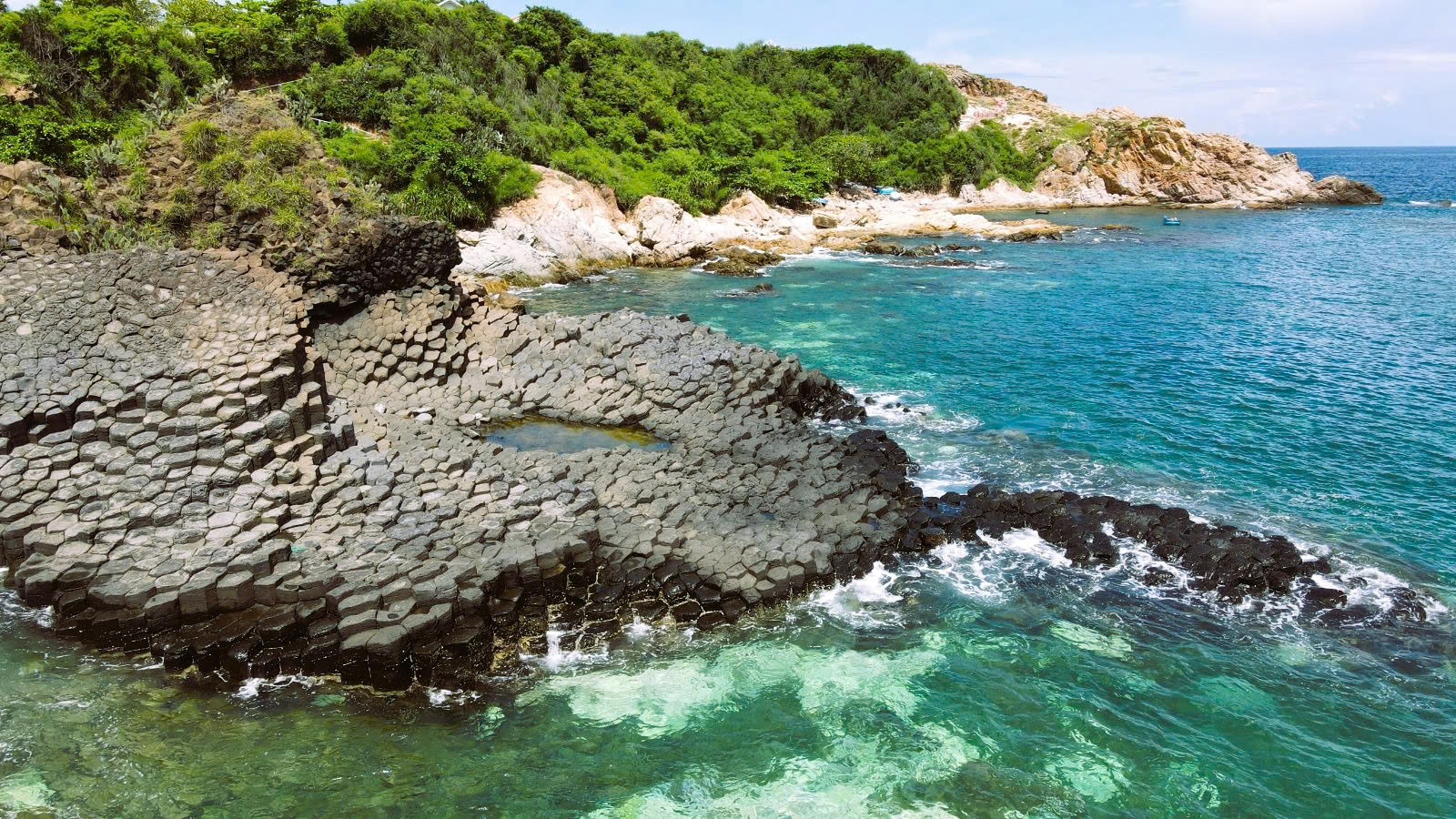
Located in An Ninh Dong commune, Tuy An district, about 30 kilometers north of Tuy Hoa city, Ganh Da Dia is famous for its striking basalt rock columns that resemble giant stacks of hexagonal and polygonal plates. These natural formations were created millions of years ago when volcanic lava met the cold sea, cooling rapidly and fracturing into perfect geometric shapes.
Often compared to the Giant’s Causeway in Northern Ireland, Ganh Da Dia remains remarkably unspoiled. Here, visitors can admire the intricate patterns of nature while enjoying a serene, crowd-free atmosphere.
A Quiet Haven for Nature Lovers
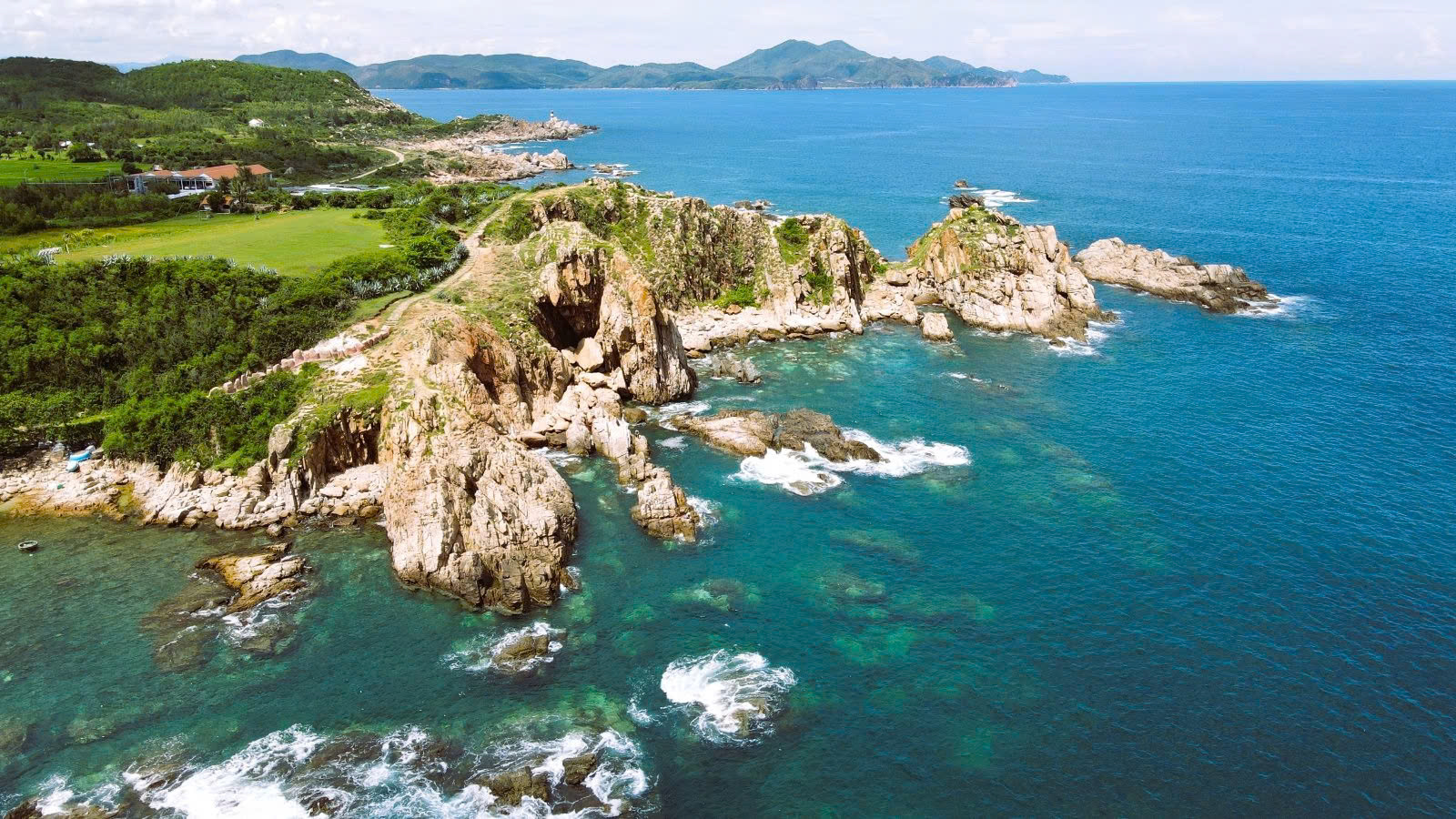
Ganh Da Dia offers a tranquil experience unlike most tourist hotspots. No flashy resorts or heavy foot traffic — just the rhythmic sound of waves crashing against volcanic stone, the fresh sea breeze, and breathtaking views of the ocean meeting ancient rock formations.
Sunrise and sunset are especially magical moments to visit. The golden light dances off the black basalt columns, creating a dramatic yet peaceful landscape that’s perfect for reflection — or photography.
Local Life and Authentic Culture
Just beyond the rocky shoreline, nearby fishing villages continue their traditional ways of life. Wooden boats drift along the coast, fishermen haul in their nets at dawn, and friendly locals offer fresh seafood like grilled squid and steamed clams — often caught just hours before.
You can also explore nearby attractions like Bai Xep beach, O Loan Lagoon, or Mang Lang Church — one of the oldest churches in Vietnam — to complete your cultural journey.
How to Get There
-
By motorbike or car: From Tuy Hoa, it's about a 45-minute drive along scenic coastal roads.
-
With a local tour: Many travel companies in Phu Yen offer guided day trips to Ganh Da Dia and surrounding sites.
-
By bicycle: For adventurous travelers, cycling the route offers a slow and immersive way to take in the landscapes.
Best Time to Visit
The dry season, from January to August, is ideal for visiting. Clear skies and calm seas make for the best viewing and photography conditions. Avoid September to December when the rainy season can make the rocks slippery and the sea rough.
Early morning and late afternoon are the best times of day to visit — not only to avoid the heat but also to catch the soft, natural light over the stones.
Tips for Visiting Ganh Da Dia
-
Wear proper footwear: The basalt columns can be uneven and slippery, so sturdy shoes are essential.
-
Bring sun protection and water: The coastal sun is strong, and shade is limited.
-
Respect the environment: Don’t climb or remove any stones — preserving this natural wonder ensures it can be enjoyed for generations.
Ganh Da Dia isn’t just a geological marvel — it’s a peaceful escape where nature and culture harmonize beautifully. If you’re seeking something off the beaten path in Vietnam, this coastal gem in Phu Yen offers a unique blend of natural artistry and local charm.
Related Posts
.jpg)
.png)