

From Ho Chi Minh City to Siem Reap: An Unforgettable Vietnam and Cambodia Journey
Vietnam and Cambodia are two captivating destinations in Southeast Asia, offering a fascinating combination of ancient history, vibrant cultures, breathtaking landscapes, and authentic local experiences. Located next to each other, these neighboring countries are ideal for travelers who want to discover more of Indochina in a single holiday.
Starting in the bustling streets of Ho Chi Minh City, traveling through the peaceful waterways of the Mekong Delta, and continuing to the cultural heart of Cambodia in Phnom Penh and Siem Reap, this journey offers a wonderful opportunity to experience two distinctive countries.
From Vietnam's lively urban atmosphere and riverside communities to Cambodia's magnificent Khmer temples, a journey from Ho Chi Minh City to Siem Reap promises unforgettable memories at every stop.
In this travel guide, Asia Pacific Travel introduces the highlights of a Vietnam and Cambodia journey, including must-visit destinations, suggested itineraries, transportation options, and practical travel tips.
1. Why Combine Vietnam and Cambodia in One Trip?
Vietnam and Cambodia share geographical proximity and historical connections, making them excellent destinations to explore together. Although each country has its own traditions and cultural identity, both offer remarkable historical landmarks, delicious cuisine, and welcoming local communities.
Here are some reasons why you should consider combining Vietnam and Cambodia in one holiday:
-
Discover two unique cultures: Explore Vietnam's diverse traditions and Cambodia's fascinating Khmer heritage.
-
Experience different landscapes: From the bustling streets of Ho Chi Minh City and the waterways of the Mekong Delta to the ancient temples of Angkor.
-
Enjoy authentic local experiences: Discover traditional markets, rural villages, local cuisine, and everyday life along the Mekong River.
-
Convenient travel connections: Several road, river, and flight connections make traveling between Southern Vietnam and Cambodia possible.
-
Make the most of your holiday: Explore two countries in one itinerary without having to plan completely separate trips.
Whether you prefer cultural exploration, historical sightseeing, nature, or local encounters, a Vietnam and Cambodia tour offers a diverse and rewarding travel experience.
2. Discover Southern Vietnam: The Beginning of Your Journey
Ho Chi Minh City – A Vibrant Gateway to Southern Vietnam
Ho Chi Minh City, formerly known as Saigon, is often the starting point for travelers exploring Southern Vietnam and Cambodia.
As Vietnam's largest city, Ho Chi Minh City is a fascinating destination where modern skyscrapers stand alongside historic French colonial buildings, traditional markets, and lively local neighborhoods.
The city's most popular attractions include:
-
Notre-Dame Cathedral Basilica of Saigon: A remarkable example of French colonial architecture, located in the city's historic center.
-
Saigon Central Post Office: An iconic architectural landmark featuring elegant European design.
-
Reunification Palace: An important historical site closely associated with the end of the Vietnam War.
-
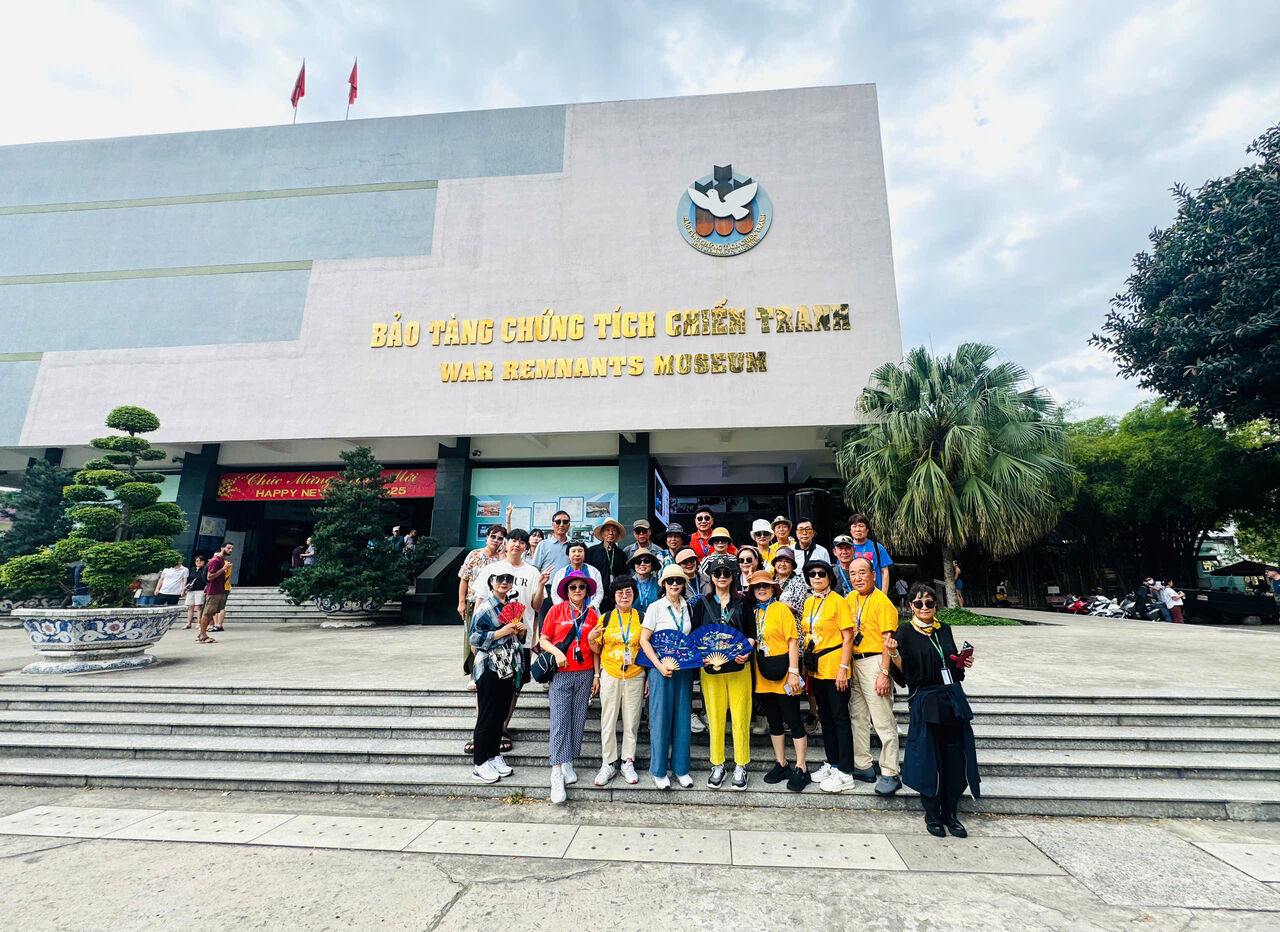
War Remnants Museum: A museum offering insight into Vietnam's modern history.
-
Ben Thanh Market: A lively traditional market where visitors can discover local products, souvenirs, and Vietnamese street food.
Beyond sightseeing, Ho Chi Minh City is also an excellent place to experience Vietnamese cuisine. Try local specialties such as pho, banh mi, broken rice, fresh spring rolls, and Vietnamese iced coffee.
For travelers interested in history, a half-day excursion to the Cu Chi Tunnels is also highly recommended. This extensive underground network played an important role during the Vietnam War and offers visitors a deeper understanding of the country's past.
Mekong Delta – Discover the Authentic River Life of Vietnam
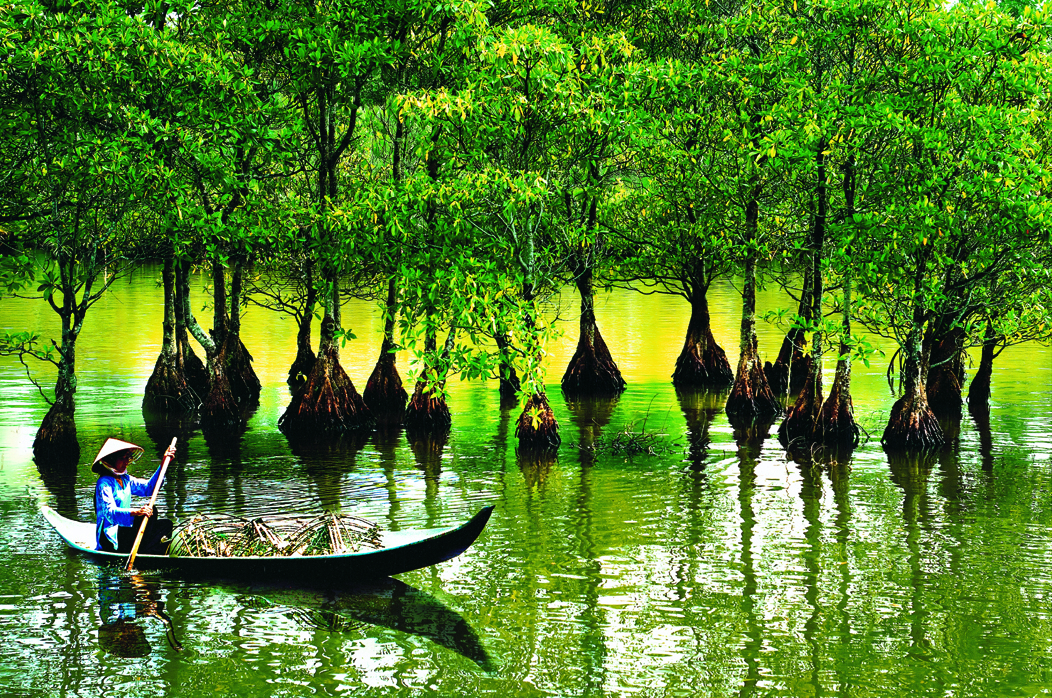
Leaving the busy atmosphere of Ho Chi Minh City behind, continue your journey to the Mekong Delta, one of Southern Vietnam's most distinctive regions.
Known as Vietnam's rice bowl, the Mekong Delta is characterized by its extensive waterways, fertile agricultural land, tropical fruit orchards, and traditional riverside communities.
A visit to this region provides an opportunity to experience a slower and more peaceful side of Vietnamese life.
Popular destinations and experiences include:
My Tho and Ben Tre
These destinations are ideal for travelers looking to discover the traditional lifestyle of the Mekong Delta. Enjoy a boat trip along narrow canals, visit local coconut workshops, explore fruit gardens, and experience traditional music performances.
Can Tho and Cai Rang Floating Market
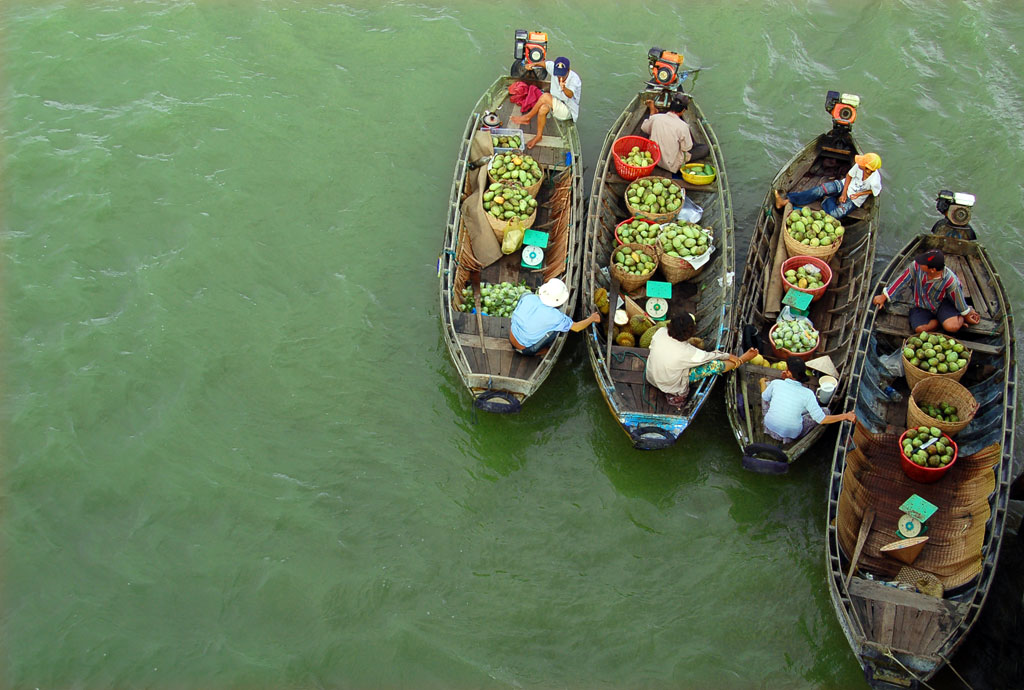
Can Tho is one of the Mekong Delta's most important cities and a popular base for exploring the region. The Cai Rang Floating Market is particularly famous for its early-morning trading activities, where boats gather to sell fresh produce and local specialties.
Local Village Experiences
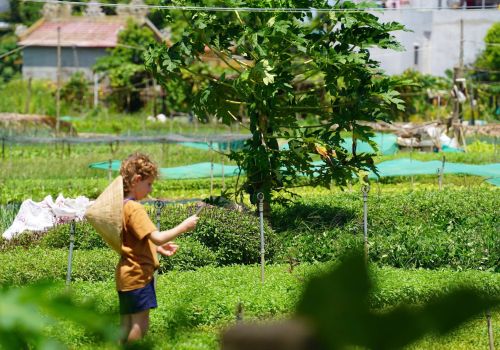
Travelers can also cycle through peaceful villages, visit traditional houses, sample tropical fruits, and learn about local agricultural activities.
The Mekong Delta is a wonderful opportunity to connect with local communities and discover a more authentic side of Vietnam before crossing into Cambodia.
3. Continue to Cambodia: From Phnom Penh to Siem Reap
After exploring Southern Vietnam, continue your journey to Cambodia, a country renowned for its ancient Khmer civilization, impressive temples, and rich cultural traditions.
Phnom Penh – Explore Cambodia's Royal Heritage and History
Phnom Penh, the capital of Cambodia, is a fascinating city situated at the confluence of the Mekong and Tonle Sap rivers.
Combining traditional Khmer architecture with modern urban development, the city offers an interesting introduction to Cambodian history and culture.
Some of the most important attractions include:
-
The Royal Palace: A magnificent architectural complex and the official residence of Cambodia's King.
-
Silver Pagoda: Located within the Royal Palace grounds, this religious landmark is famous for its silver-tiled floor and valuable Buddha statues.
-
National Museum of Cambodia: Home to an impressive collection of Khmer sculptures, ceramics, and archaeological artifacts.
-
Wat Phnom: A historic Buddhist temple associated with the founding of Phnom Penh.
-
Tuol Sleng Genocide Museum: A former prison that provides an important insight into Cambodia's tragic history under the Khmer Rouge regime.
Exploring Phnom Penh allows visitors to better understand Cambodia's complex past, royal traditions, and cultural identity.
Siem Reap – The Gateway to the Ancient Khmer Civilization
From Phnom Penh, continue north to Siem Reap, one of Cambodia's most popular destinations and the gateway to the magnificent Angkor Archaeological Park.
Siem Reap is more than just a base for temple visits. The city offers lively local markets, traditional handicraft workshops, cultural performances, and excellent opportunities to discover Khmer cuisine.
Visitors can explore:
-
Pub Street: A lively area filled with restaurants, cafés, and entertainment venues.
-
Old Market (Phsar Chas): A traditional market selling local products, souvenirs, handicrafts, and fresh food.
-
Artisans Angkor: A social enterprise dedicated to preserving traditional Khmer craftsmanship.
-
Tonle Sap Lake: Cambodia's largest freshwater lake, famous for its floating villages and unique river-based communities.
Siem Reap offers a wonderful combination of cultural discovery, local experiences, and historical exploration.
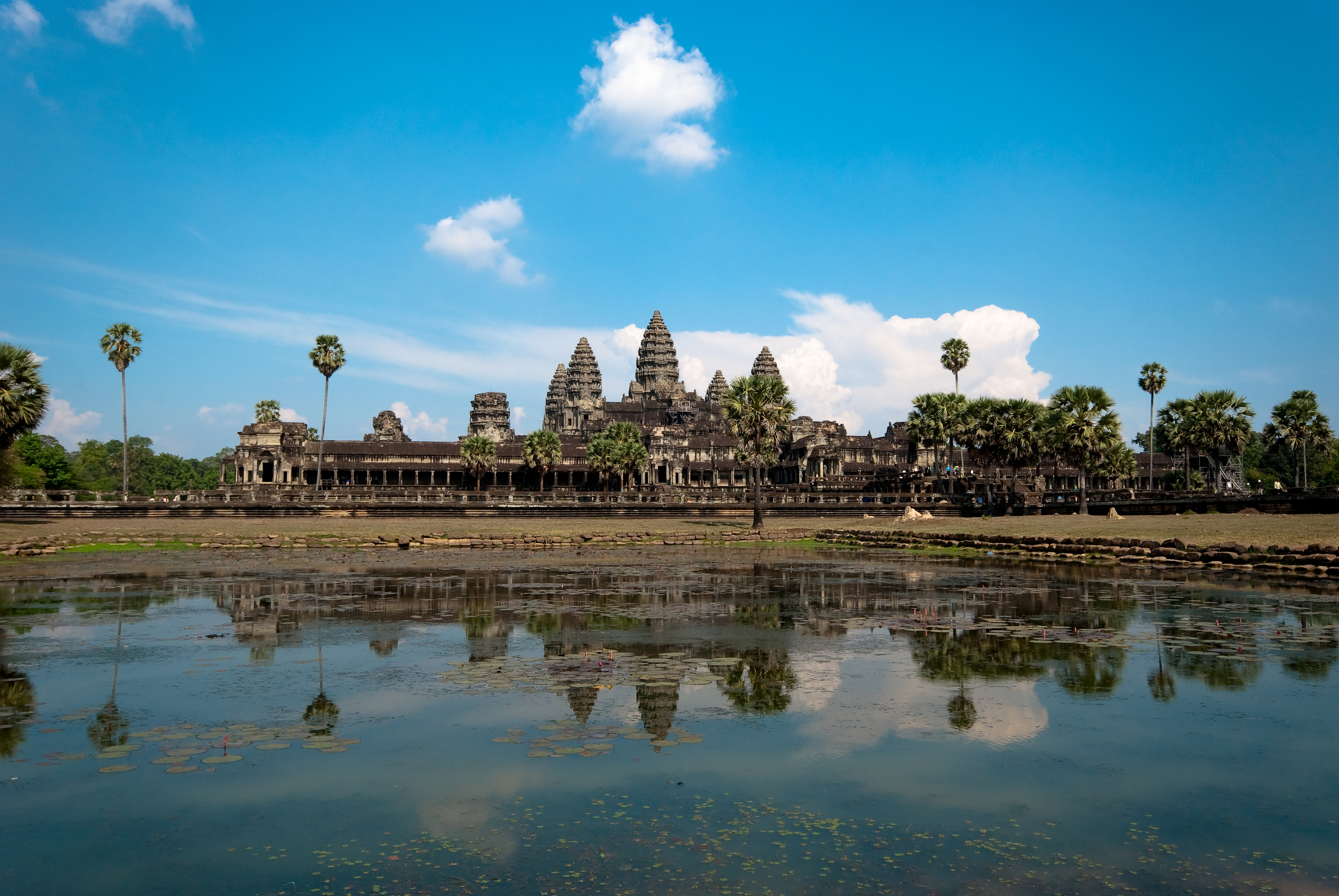
Angkor Wat – A Magnificent Masterpiece of Khmer Architecture
No journey to Cambodia would be complete without visiting Angkor Wat, one of the most extraordinary archaeological sites in the world.
Built in the early 12th century during the reign of King Suryavarman II, Angkor Wat was originally dedicated to the Hindu god Vishnu before gradually becoming an important Buddhist religious site.
Today, it stands as Cambodia's most iconic landmark and a UNESCO World Heritage Site.
The temple is renowned for its impressive architectural design, towering structures, intricate stone carvings, and extensive bas-reliefs depicting scenes from Hindu mythology and Khmer history.
Other remarkable temples within the Angkor Archaeological Park include:
Bayon Temple
Located in the ancient city of Angkor Thom, Bayon Temple is famous for its enormous stone faces carved into its towers, creating one of the most distinctive sights in the Angkor complex.
Ta Prohm
Often called the Jungle Temple, Ta Prohm is particularly famous for its ancient trees and enormous roots growing over temple walls and stone structures.
Angkor Thom
Once the last great capital of the Khmer Empire, Angkor Thom features impressive gates, historic monuments, and the remarkable Bayon Temple.
Banteay Srei
Known as the Citadel of Women, this smaller temple is celebrated for its delicate pink sandstone carvings and exceptionally detailed decorative artwork.
For a memorable experience, consider visiting Angkor Wat early in the morning to admire the sunrise over its iconic towers.
4. Suggested Vietnam and Cambodia Itinerary: 12 Days and 11 Nights
For travelers who want to explore Southern Vietnam and Cambodia at a comfortable pace, a 12-day itinerary offers a good balance of city sightseeing, cultural discovery, nature, and historical attractions.
Day 1: Arrival in Ho Chi Minh City
Arrive at Tan Son Nhat International Airport and transfer to your hotel. Enjoy some free time to relax or explore the surrounding area.
Day 2: Ho Chi Minh City Full-Day City Tour
Discover the city's major attractions, including the Reunification Palace, Notre-Dame Cathedral, Saigon Central Post Office, and Ben Thanh Market. Enjoy the lively atmosphere and discover the city's culinary culture.
Day 3: Cu Chi Tunnels – Ho Chi Minh City
Take a half-day excursion to the Cu Chi Tunnels to learn about Vietnam's wartime history. Return to Ho Chi Minh City and enjoy the rest of the day at leisure.
Day 4: Ho Chi Minh City – Mekong Delta – Can Tho
Travel to the Mekong Delta and discover the peaceful waterways of My Tho or Ben Tre. Enjoy a boat trip, visit local workshops, and experience traditional village life before continuing to Can Tho.
Day 5: Cai Rang Floating Market – Ho Chi Minh City
Wake up early to visit Cai Rang Floating Market and observe the lively trading activities on the river. Discover local specialties before returning to Ho Chi Minh City.
Day 6: Ho Chi Minh City – Phnom Penh
Travel from Ho Chi Minh City to Phnom Penh by international flight or overland transfer via the Moc Bai–Bavet border crossing. Upon arrival, transfer to your hotel and enjoy some free time.
Day 7: Phnom Penh City Tour
Explore the Royal Palace, Silver Pagoda, National Museum, and other important landmarks. Learn about Cambodia's royal heritage and historical background.
Day 8: Phnom Penh – Siem Reap
Travel to Siem Reap by domestic flight or private road transfer. Upon arrival, check in at your hotel and enjoy the evening exploring the local markets or Pub Street.
Day 9: Angkor Thom – Bayon – Ta Prohm – Angkor Wat
Spend the day discovering the magnificent Angkor Archaeological Park. Visit the ancient city of Angkor Thom, admire the stone faces of Bayon Temple, explore the atmospheric Ta Prohm, and discover the impressive Angkor Wat.
Day 10: Banteay Srei – Local Experiences
Visit Banteay Srei, renowned for its intricate sandstone carvings. Continue with a visit to local handicraft workshops or nearby villages to discover traditional Cambodian craftsmanship.
Day 11: Tonle Sap Lake – Siem Reap
Enjoy a boat excursion on Tonle Sap Lake, where you can discover floating villages and learn about the daily lives of communities living along the water.
Day 12: Siem Reap – Departure
Enjoy breakfast at the hotel before transferring to the airport for your departure flight.
Note: This is a suggested itinerary and can be customized according to your travel dates, interests, budget, and international flight schedules. The order of sightseeing and transportation arrangements may also be adjusted to ensure a comfortable journey.
5. How to Travel from Ho Chi Minh City to Cambodia?
Traveling from Southern Vietnam to Cambodia is relatively convenient, with several transportation options available depending on your schedule, budget, and preferred travel style.
By Road: Ho Chi Minh City to Phnom Penh
Traveling by road through the Moc Bai–Bavet international border crossing is a popular option.
The journey usually takes approximately 6–7 hours, depending on traffic, border procedures, and road conditions.
Travelers can choose between international buses and private transfers.
A private vehicle offers greater flexibility, especially for families, small groups, or travelers who prefer a more comfortable journey.
By Flight: Ho Chi Minh City to Phnom Penh or Siem Reap
Flying is a convenient alternative for travelers who want to save time.
Depending on available airline schedules, travelers can arrange flights from Ho Chi Minh City to Phnom Penh or Siem Reap.
Flight availability and direct connections may vary depending on the travel date.
By River: Mekong Delta to Phnom Penh
For travelers seeking a more distinctive experience, river travel between the Mekong Delta and Phnom Penh can be an interesting option.
Certain boat services connect the Chau Doc area in Southern Vietnam with Phnom Penh via the Mekong River.
This route allows visitors to enjoy beautiful riverside scenery and experience the region from a different perspective.
However, travelers should check the current operating schedule, border procedures, and ticket availability before planning this journey.
6. Best Time to Visit Vietnam and Cambodia
Vietnam and Cambodia generally have tropical climates, but weather conditions vary by region. Choosing the right travel period can make your journey more comfortable.
Best Time to Visit Southern Vietnam
Southern Vietnam generally has two main seasons:
-
Dry season (December–April): Usually characterized by warm temperatures, less rainfall, and favorable conditions for sightseeing and outdoor activities.
-
Rainy season (May–November): Features regular tropical showers, often occurring in the afternoon. The Mekong Delta becomes particularly lush and green during this period.
Best Time to Visit Cambodia
Cambodia has two main seasons:
-
Dry season (November–April): Generally considered the best period for exploring Angkor Wat and other outdoor attractions, with less rainfall and more sunshine.
-
Rainy season (May–October): Offers greener landscapes, fewer visitors at certain attractions, and a different atmosphere around the temples and countryside.
When Should You Plan Your Vietnam and Cambodia Tour?
November to April is generally a favorable period for combining Southern Vietnam and Cambodia, especially for travelers who prefer drier weather and more comfortable sightseeing conditions.
However, the Mekong Delta and Angkor region can be visited throughout the year, with each season offering its own unique scenery and experiences.
7. Practical Travel Tips for Your Vietnam and Cambodia Holiday
Before embarking on your journey, here are some useful tips to help you prepare.
Visa Requirements
Vietnam and Cambodia have separate entry and visa regulations. Check the latest requirements for both countries according to your nationality before departure. If your itinerary involves crossing an international land border, make sure your visa arrangements are valid for your chosen entry point.
Currency and Payments
Vietnam uses the Vietnamese Dong (VND), while Cambodia uses the Cambodian Riel (KHR). US dollars are also widely accepted in many tourist areas in Cambodia. Carry some local cash for markets, small shops, and rural experiences.
Local Cuisine
Food is an essential part of discovering both countries.
In Vietnam, don't miss pho, banh mi, fresh spring rolls, and regional specialties from the Mekong Delta.
In Cambodia, try traditional dishes such as fish amok, beef lok lak, Khmer noodle soup, and nom banh chok.
Clothing for Temple Visits
When visiting religious sites, especially Angkor Wat and other Buddhist temples, dress respectfully by covering your shoulders and knees. Comfortable walking shoes are also recommended.
Transportation and Border Arrangements
If you choose to travel overland between Vietnam and Cambodia, plan sufficient time for immigration procedures and border formalities. Private transfers and guided arrangements can help make the journey more convenient.
Travel Insurance
Consider purchasing suitable travel insurance before departure to provide additional protection during your international holiday.
8. Explore Vietnam and Cambodia with Asia Pacific Travel
A journey from Ho Chi Minh City to Siem Reap is a wonderful way to discover the cultural diversity, historical heritage, and natural beauty of Vietnam and Cambodia.
From the vibrant atmosphere of Saigon and the peaceful waterways of the Mekong Delta to the royal landmarks of Phnom Penh and the magnificent temples of Angkor, every destination offers a different perspective on Indochina.
At Asia Pacific Travel, we specialize in tailor-made inbound travel services across Vietnam, Cambodia, Laos, and Thailand.
Whether you are planning a private holiday, a family vacation, a group tour, or a customized multi-country journey, our experienced team can help create an itinerary that suits your travel interests, schedule, and budget.
Our services include:
-
Customized private and group tours.
-
Airport transfers and private transportation.
-
Professional local tour guides.
-
Hotel reservations and accommodation arrangements.
-
Domestic flights and sightseeing excursions.
-
Multi-country travel arrangements across Indochina.
Let us take care of the details while you enjoy the journey.
Contact Asia Pacific Travel today and start planning your unforgettable Vietnam and Cambodia adventure!
Related Posts