




Binh Thuy ancient house: Discover the timeless beauty of this iconic landmark in Can Tho
Combining Western, Chinese, and Vietnamese architectural elements, Binh Thuy Ancient House preserves its unique beauty through the years, making it an attractive destination for those interested in exploring history and culture. In this article, we will delve into the story of this ancient house, from its origins to the distinctive features that make it so special.
Introduction to Binh Thuy Ancient House
Binh Thuy Ancient House in Can Tho is one of the most iconic and historically significant landmarks in the Mekong Delta region of Vietnam. Renowned for its harmonious blend of Vietnamese, Chinese, and French architectural styles, the house stands as a testament to the rich heritage of the region, showcasing both the affluence of its original owners and the cultural exchanges that shaped the area.
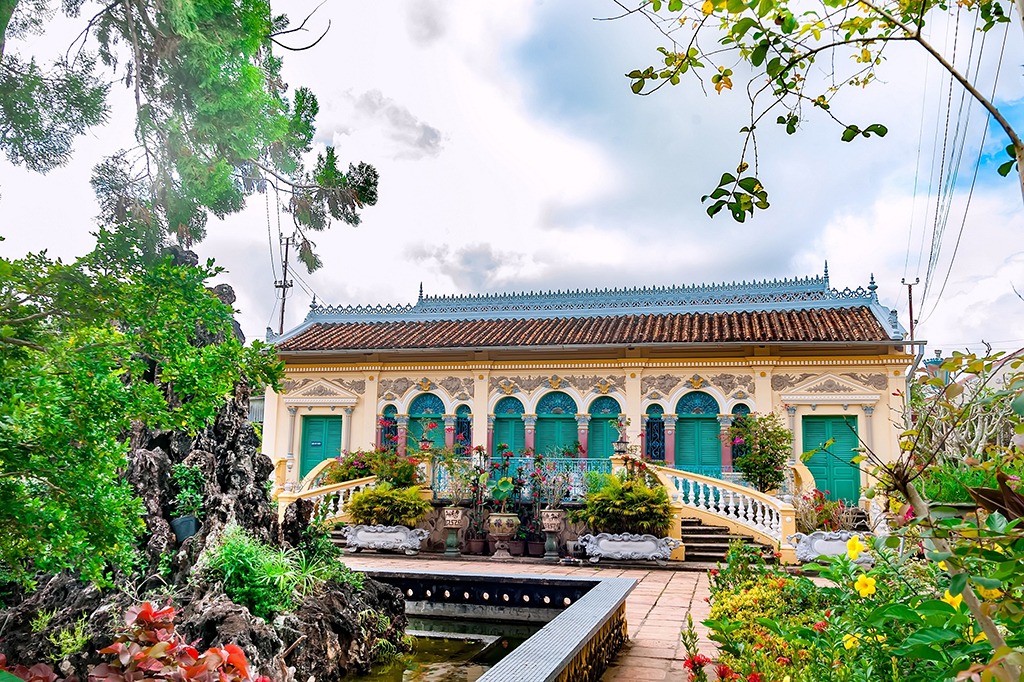
Binh Thuy Ancient House
Located in Binh Thuy district, approximately 10 kilometers from the center of Can Tho City, in the heart of the Mekong Delta. The house is easily accessible by taxi, motorbike, or public transportation, making it a convenient stop for travelers exploring the southern regions of Vietnam. The most straightforward route from the city center is to head west on Nguyen Thi Minh Khai Street, follow the signs to Binh Thuy, and turn onto the road leading to the house.
This house holds great historical and cultural significance, not only as a physical landmark but also as a symbol of the area’s prosperous past. Built in 1870 by the Duong family, Binh Thuy Ancient House represents the fusion of local architectural traditions with influences from Chinese and French colonial styles, which were prominent in the region during the 19th century. It offers an excellent opportunity to explore the life of a wealthy merchant family in the Mekong Delta and gain insights into the social and cultural dynamics of the time.
Binh Thuy Ancient House in Can Tho is more than just an architectural masterpiece, it’s a window into the rich history, culture, and traditions of Vietnam’s southern region. Whether you're a history enthusiast, an architecture lover, or someone interested in the cultural heritage of Vietnam, a visit to Binh Thuy Ancient House is an unforgettable experience.
Read more: Cai Rang Floating Market – A must-visit in Can Tho
History and legends of Binh Thuy Ancient House
Let’s delve into the captivating history and mysterious legends of Binh Thuy Ancient House in Can Tho. With its origins rooted in the past and stories that have endured through time, this historic landmark promises an enchanting journey into Vietnam’s cultural heritage.
History of Binh Thuy Ancient House
Binh Thuy Ancient House was constructed in 1870 by the Duong family, who were prominent rice merchants in the Mekong Delta. The house was initially built by Duong Van Vi, a prosperous merchant in the late 19th century. In the mid-1800s, Duong Van Vi settled near the Binh Thuy Creek in Can Tho, where he started his business selling rice, salt, and other goods, gradually accumulating wealth.
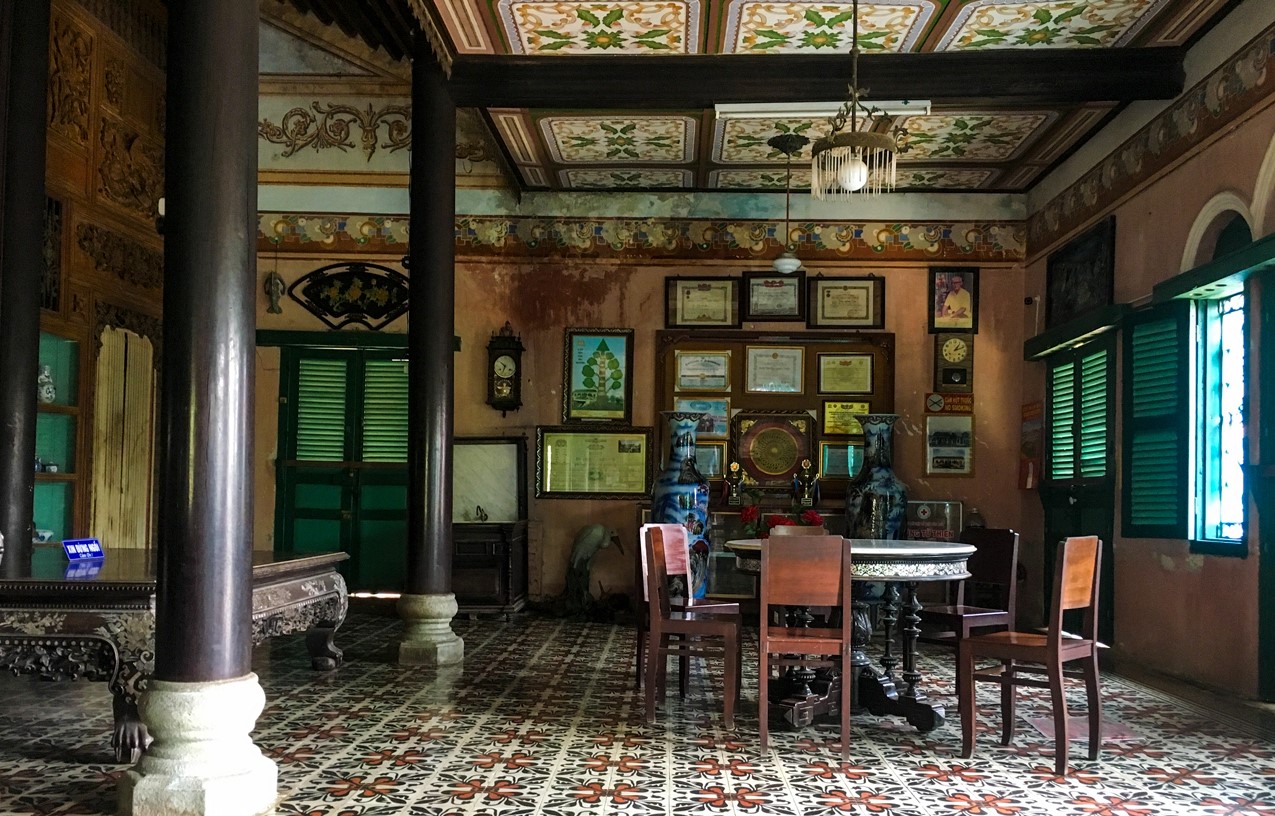
Inside Binh Thuy Ancient House
Originally designed as a family home, the house was constructed with precious woods like lim, cam xe, and ca chat, and features intricate carvings and ornate details. After more than 30 years, Duong Van Vi decided to renovate the structure, though he passed away in 1904 before the building procession was completed.
His youngest son, Duong Chan Ky took over and completed the renovations around 1911. The house continued to stand as a testament to the family’s success and their lasting legacy in the region. Today, it remains one of the most significant historical landmarks in the Mekong Delta, reflecting the architectural and cultural richness of the period.
Legends and stories about Binh Thuy Ancient House
Binh Thuy Ancient House is steeped in intriguing legends that add a layer of mystery to its historical significance.
.png?1741080362908)
Legends and stories about Binh Thuy Ancient House
One of the most popular stories revolves around the house’s foundation. It is said that the Duong family carefully chose the location by the Binh Thuy Creek due to the belief in its good feng shui, ensuring prosperity for their future. Local legend holds that the placement of the house on this land allowed the family to flourish, not only in wealth but also in social status, making the property a symbol of good fortune.
Another fascinating tale speaks of the intricate carvings found throughout the house. Some locals believe that the delicate patterns, particularly those on the wooden beams and columns, were meticulously crafted to protect the family from bad spirits. These decorative elements, with their symbolic meanings, are said to be more than mere aesthetics, they are believed to bring harmony and success to the home.
Over the years, various stories about the house's original owners, including Duong Van Vi and his descendants, have become part of the local folklore. It is whispered that the house served as a hub for important business dealings, and that secretive meetings took place in the house’s large, ornate living room, where local merchants and influential figures once gathered.
Today, these legends continue to live on, enriching the experience for visitors, who come not only to admire the architecture but also to connect with the rich cultural tapestry and stories that make Binh Thuy Ancient House a truly magical place.
Explore Binh Thuy Ancient House
As you step into the Binh Thuy Ancient House, you are transported back in time to an era of elegance and cultural richness. Let’s take a closer look at what makes this landmark so captivating!
Stunning architecture
The architecture of Binh Thuy Ancient House is a remarkable fusion of Southern Vietnamese, Chinese, and French influences, creating a unique and captivating structure that reflects the cultural diversity of the era. Built in the late 19th century, the house follows the traditional Southern Vietnamese design, featuring a five-room layout, which is a common structure in homes of the region.
.png?1741080392797)
Impressive decoration style of Binh Thuy ancient house
Chinese and French influences are seamlessly incorporated into the architecture of Binh Thuy Ancient House, blending traditional Southern Vietnamese design with elegant European touches. The decorative arches, ceramic tiles, and intricately crafted wooden latticework bring a sophisticated charm, while still preserving the home’s traditional Vietnamese roots. This fusion of styles creates a perfect balance, showcasing both cultural heritage and creative innovation.
Beautiful garden and surroundings
The garden surrounding Binh Thuy Ancient House is a beautiful blend of ornamental plants, fruit trees, and traditional Southern Vietnamese landscaping. Among the plants, you’ll find a variety of fruit trees such as mango, guava, and papaya, which have long been a staple in the region. These trees provide a sense of abundance and a connection to the land's agricultural roots. The garden also features decorative plants, including bonsai trees and colorful flowers, creating a serene atmosphere for relaxation.
The garden's unique design includes elements that reflect both traditional and international influences. Surrounding the house is a wrought iron fence imported from the West, allowing passersby to admire the full view of the house. In front of the house, a small stone mountain made from basalt rocks adds a touch of elegance and reflects the owner's refined taste. Hidden within the garden is a small, charming pavilion with a simple yet elegant design, offering a peaceful retreat surrounded by aged trees and the scent of blooming flowers.
The presence of French iron lanterns at each corner of the garden further elevates the house's aristocratic charm, adding a sophisticated touch to the lush surroundings. Together, these elements create a harmonious and picturesque garden that complements the grandeur of Binh Thuy Ancient House.
Large living room
The large living room of Binh Thuy Ancient House is a showcase of both the Duong family's wealth and their sophisticated cultural taste. This spacious area, used for hosting guests during important rituals and gatherings, is elegantly designed with European influences. The room’s floor is covered in imported French terrazzo tiles, contributing to its refined look. The ceiling, adorned with intricate floral patterns, along with the European-style hanging lights, adds to the room's grandeur and charm.
.png?1741080472943)
Living room of Binh Thuy Ancient House
Antique wooden furniture, crafted in the Louis XV style, is carefully arranged to enhance the room’s aristocratic feel. Among the impressive furnishings is a unique French lavabo (washbasin) and a phonograph, rare and valuable items that reflect the high status of the family. These pieces are not just functional but also serve as important cultural symbols, showcasing the family's connection to European culture and their refined taste in decor.
At the most prominent spot in the living room, a ceramic portrait of Dương Chấn Kỷ, the person responsible for completing the house as it stands today, is displayed. The technique used to create this portrait was popular in both France and China during the late 18th century, making it a rare and significant piece of art in the house’s collection.
The room also contains other decorative items, such as porcelain vases, antique clocks, and artwork, all contributing to its elegant and inviting atmosphere. The combination of European-style furnishings, intricate woodwork, and historical items make the large living room an essential part of Binh Thuy Ancient House, offering visitors a glimpse into the refined lifestyle and cultural values of the Duong family.
Ancestor worship room
The Ancestor Worship Room in Binh Thuy Ancient House is a striking contrast to the rest of the house. While the house’s architecture blends French, Chinese, and Vietnamese elements, the Ancestor Worship Room is designed entirely in the traditional Vietnamese style, reflecting the family’s deep respect for their ancestors and cultural heritage.
This room, which serves as a sacred space for ancestor worship, is a solemn and intimate part of the house. The altar is decorated with intricate carvings and ornate furnishings, including a set of incense holders and offerings, which are all traditional to Vietnamese customs. The room’s design follows the classical Vietnamese approach to ancestor worship, emphasizing simplicity, reverence, and spiritual connection with the past.
FAQs about Binh Thuy ancient house
To help you plan your visit to Binh Thuy Ancient House Can Tho, here are the answers to some frequently asked questions, providing all the practical details you need for a smooth and enjoyable experience at one of the most beautiful historical landmarks in Can Tho.
- What are the opening hours of Binh Thuy Ancient House?
Binh Thuy Ancient House is open daily from 7:00 AM to 5:00 PM, allowing visitors to explore its beautiful architecture and history throughout the day. - Is there an entrance fee to visit the house?
Yes, there is an entrance fee to visit Binh Thuy Ancient House. The cost is approximately 20,000 VND per person. This fee helps maintain the preservation of the property. - How long does it take to visit the house?
A typical visit to Binh Thuy Ancient House takes about 1-2 hours. However, if you plan to explore the surrounding gardens and take in the full experience, you may want to allow for more time. - Can I take photos inside the house?
Yes, photography is allowed inside the house. However, be mindful of areas where flash photography may not be permitted to protect the historical artifacts and delicate features. - Is Binh Thuy Ancient House suitable for children?
Yes, Binh Thuy Ancient House is a family-friendly attraction. Children can enjoy exploring the house and its gardens, and it’s a great opportunity for them to learn about local history and architecture. - How can I get to Binh Thuy Ancient House from Can Tho city center?
Binh Thuy Ancient House is located about 8 kilometers from Can Tho city center. You can easily reach the house by taxi, motorbike, or local bus. The most convenient option is by taxi or motorbike, which takes about 20 minutes. - What is the best time to visit Binh Thuy Ancient House?
The best time to visit Binh Thuy Ancient House is from November to April, when the weather in Can Tho is cooler and less humid. However, the house is open year-round, so it can be visited anytime.
Read more: What makes Tra Su Cajuput Forest special? Top 7 unforgettable experiences for travelers
Binh Thuy Ancient House is not just an architectural structure, but an essential part of the cultural heritage of Can Tho and the Mekong Delta. If you're planning a trip to this fascinating region, consider booking your tours through Asia Pacific Travel, which provides curated tours that bring you closer to the authentic beauty and cultural treasures of Vietnam!
Related Posts

.png)
.png)
.png)