



Best Time to Visit Xom Ngoi - Thai Village
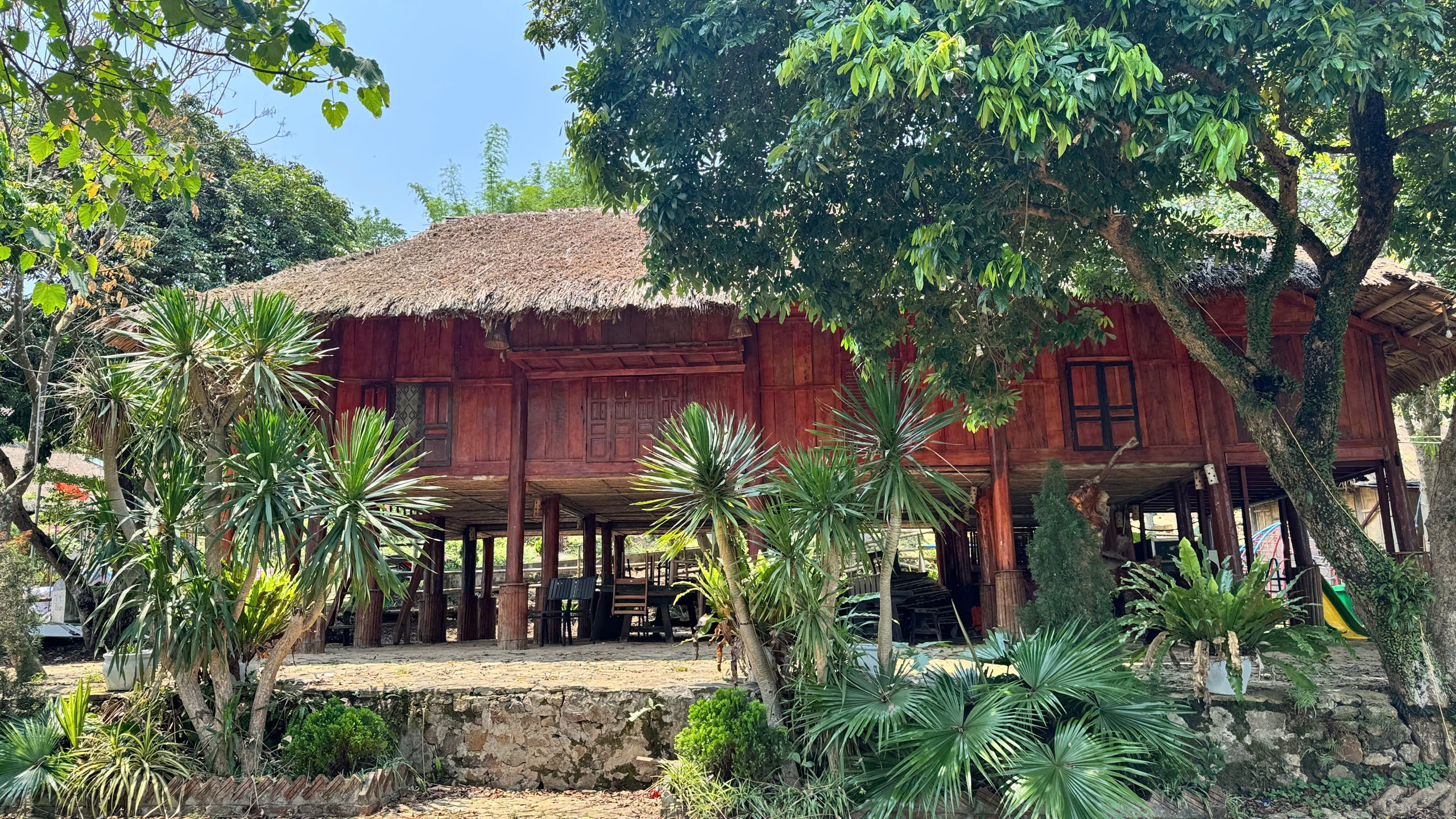
Nestled in the peaceful valleys of northern Vietnam, Xom Ngoi - Thai Village is a quiet rural destination surrounded by rice fields, streams, and limestone mountains. Located in the wider area of Mai Châu, the village offers travelers an authentic experience of traditional Thai ethnic life, where nature and culture exist in a slow, harmonious rhythm.
Unlike city destinations or commercial resorts, the experience here changes significantly depending on the time of year. Seasons affect everything—from the color of the rice fields and the rhythm of farming life to weather conditions and travel comfort. Because of this, choosing the best time to visit Xom Ngoi - Thai Village is an important part of planning your trip.
This guide explores the climate, seasonal highlights, travel conditions, and ideal timing based on different travel styles.
Climate Overview of Xom Ngoi - Thai Village
Xom Ngoi - Thai Village has a tropical monsoon climate with two main seasons:
- A dry season with stable, pleasant weather
- A rainy season with frequent showers and lush greenery
Between them are transitional months that often offer a mix of both conditions.
Instead of thinking in terms of “good” or “bad” seasons, it is better to understand that each period creates a different version of the village. Sometimes it is bright and active, sometimes misty and peaceful, and sometimes fully green and alive.
Dry Season (November to April): The Most Comfortable Time
The dry season is widely considered the most convenient and comfortable period to visit Xom Ngoi - Thai Village.
Weather Conditions
During these months, rainfall is minimal and temperatures are generally mild. Days are warm and pleasant, while mornings and evenings can feel cool, especially between December and February.
Clear skies are common, making it easier to explore the outdoors for long periods without interruption.
Landscape and Atmosphere
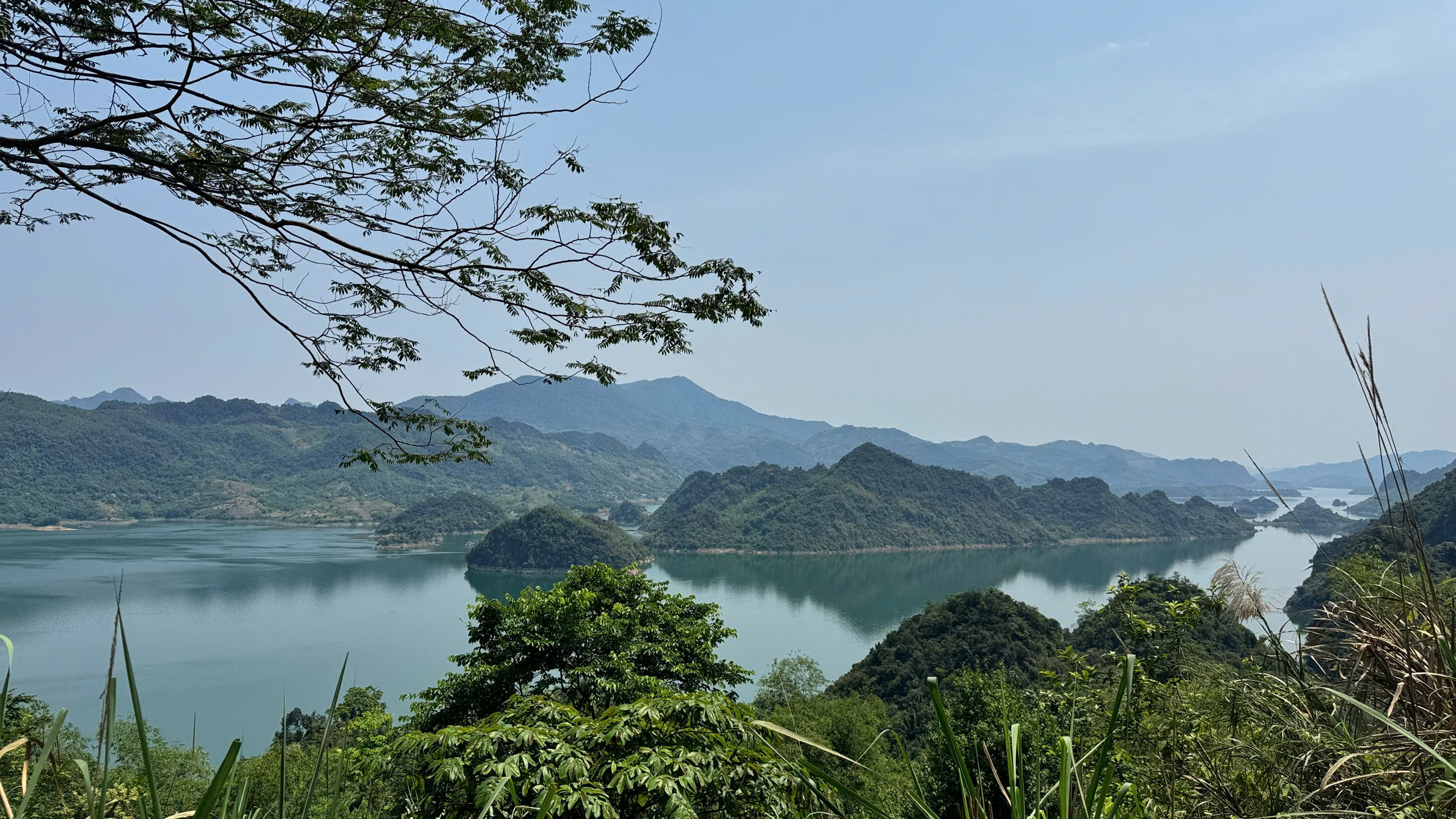
The scenery during the dry season is calm and open. Rice fields may look freshly harvested or newly planted, creating a simpler but peaceful countryside view. The air is crisp, and visibility is excellent for enjoying mountain views.
In winter months, morning mist often covers the valley. This creates a soft, almost dreamlike atmosphere where the landscape slowly appears through the fog, adding a quiet charm to the village.
Activities in the Dry Season
This is the best time for outdoor exploration. Visitors can comfortably enjoy:
- Walking or cycling through rice fields
- Visiting nearby Thai ethnic villages
- Exploring the broader Mai Châu valley
- Taking landscape photography trips
Because weather conditions are stable, travel plans are rarely disrupted, making this season ideal for first-time visitors.
Peak Travel Period (December to February)
Within the dry season, the busiest period is from December to February. During this time, many domestic and international tourists visit the region.
The village becomes more lively, and homestays may fill up quickly. Prices for accommodation and tours can also increase.
Despite the crowds, the atmosphere remains far quieter than major cities or tourist hubs. However, booking in advance is highly recommended if you plan to visit during these months.
Advantages and Disadvantages of Dry Season
Advantages:
- Comfortable and stable weather
- Easy travel conditions
- Clear skies for photography
- Great for outdoor activities
Disadvantages:
- Higher number of tourists during peak months
- Increased accommodation prices
- Less vibrant greenery compared to rainy season
Rainy Season (May to October): The Green and Peaceful Side
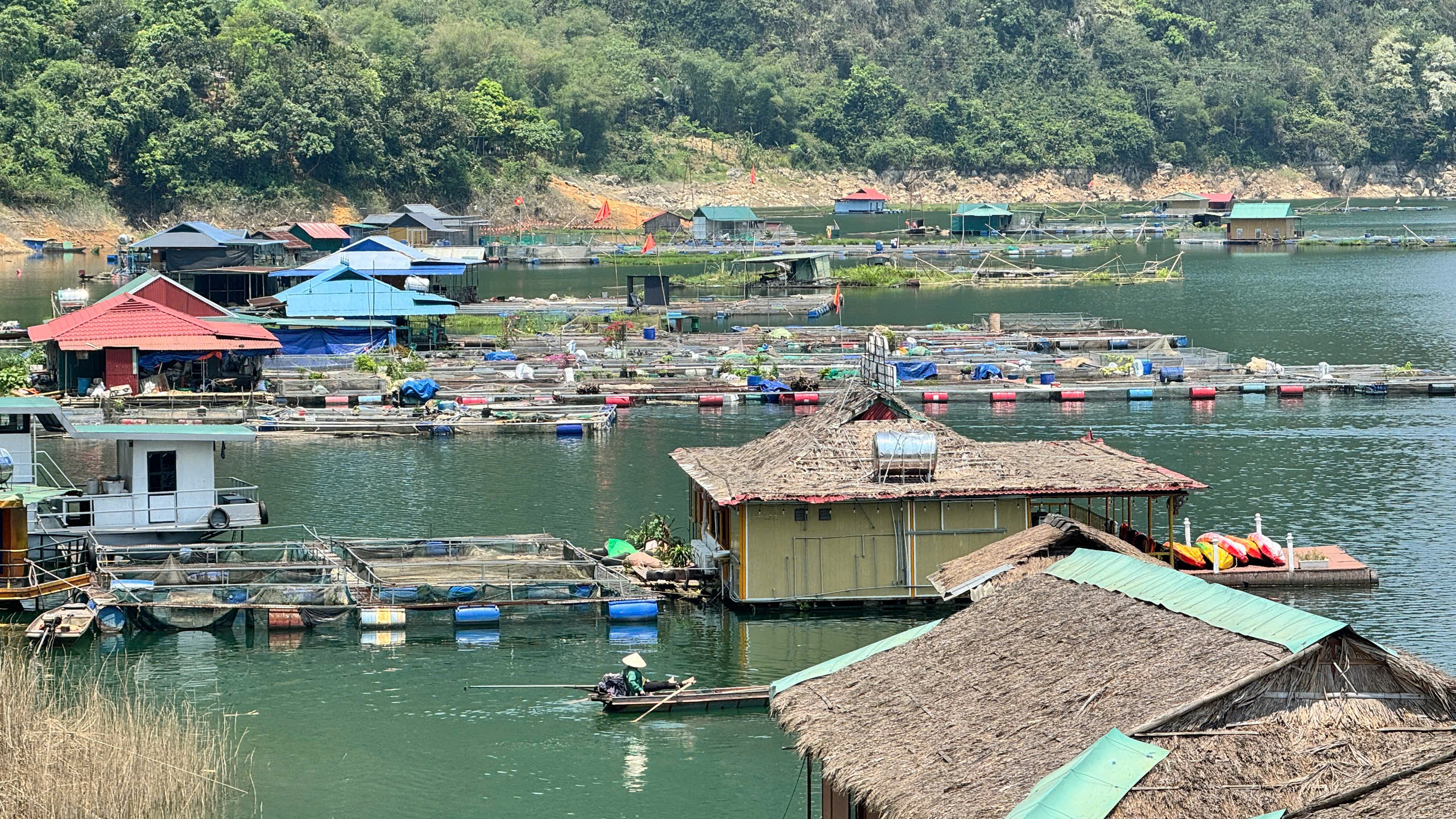
The rainy season transforms Xom Ngoi - Thai Village into a lush, green landscape full of life and movement.
Weather Conditions
Rainfall becomes more frequent, usually in short but heavy showers. It rarely rains all day, but humidity is noticeably higher.
Temperatures remain warm, and many days still have long dry periods, especially in the mornings or late afternoons.
Landscape During Rainy Season
This is the most visually impressive time of year. Rice fields turn into endless green carpets, stretching across the valley. Water-filled paddies reflect the sky, creating mirror-like scenes after rain.
Forests and mountains appear richer in color, and streams flow more strongly through the village. Everything feels alive and vibrant, making it especially attractive for nature lovers.
Activities in the Rainy Season
Although weather can be unpredictable, there are still many enjoyable experiences:
- Observing rice farming activities
- Experiencing daily life in homestays
- Learning local cooking traditions
- Relaxing indoors during rain showers
This season is perfect for travelers who prefer slow travel and cultural immersion rather than packed sightseeing schedules.
Travel Challenges
The biggest challenge is unpredictability. Heavy rain may temporarily affect roads or outdoor plans. Some activities, especially hiking or cycling, may be limited on rainy days.
However, flexibility usually solves most issues, as rain often comes and goes rather than lasting all day.
Advantages and Disadvantages of Rainy Season
Advantages:
- Stunning green landscapes
- Fewer tourists and more privacy
- Lower accommodation costs
- Authentic rural atmosphere
Disadvantages:
- Unpredictable weather
- Occasional travel disruptions
- High humidity
Transitional Seasons (April–May and September–November)
Between the two main seasons are transitional periods that often offer the most balanced travel experience.
April to May: Start of Rainy Season
April is still relatively dry, but May begins to see early rains. The landscape is already green from rice planting, creating a fresh and lively environment.
Tourist numbers begin to drop, making it a good time for those who want fewer crowds but still stable weather.
September to November: End of Rainy Season
After months of rain, the landscape remains lush but begins to stabilize. Weather becomes more predictable, and temperatures start to cool.
In many nearby areas, this is also harvest time, when rice fields turn golden, creating one of the most beautiful seasonal views in northern Vietnam.
Why Transitional Months Are Special
These months combine the best of both worlds:
- Reasonable weather conditions
- Fewer tourists than peak season
- Beautiful green or golden landscapes
- More affordable travel costs
For many travelers, this is the most balanced and rewarding time to visit.
Seasonal Life in the Village
Seasonal changes also shape daily life in Xom Ngoi - Thai Village:
- Planting season (May–June): Farmers work actively in flooded fields
- Growing season (July–August): Rice fields are fully green and thriving
- Harvest season (September–October): Golden landscapes and community activity
- Winter (November–February): Calm atmosphere with cultural gatherings
Each phase reveals a different rhythm of rural life, deeply connected to nature.
Final Thoughts
There is no single best time to visit Xom Ngoi - Thai Village, because each season offers a unique experience.
- The dry season is comfortable and easy for travel
- The rainy season is lush, quiet, and deeply authentic
- The transitional months offer a balanced and flexible experience
Your ideal time depends on your priorities—whether that is weather, scenery, budget, or cultural depth.
No matter when you visit, Xom Ngoi - Thai Village remains a peaceful destination where nature, tradition, and slow living come together in perfect harmony.
Related Posts
.jpg)
.png)