



Best Time to Visit Phong Nha: A Season-by-Season Guide
Choosing the best time to visit Phong Nha depends on the type of adventure you're looking for. Located in central Vietnam, Phong Nha-Ke Bang National Park experiences a tropical monsoon climate with two distinct seasons: a dry season and a rainy season. Each period transforms the landscape in different ways, offering unique opportunities for cave exploration, jungle trekking, river cruises, and cultural experiences.
Unlike many destinations where the weather determines whether you can travel at all, Phong Nha remains attractive throughout the year. The key is understanding how each season affects outdoor activities and planning your itinerary accordingly. Whether you dream of kayaking along the Son River under blue skies, hiking through ancient forests, or witnessing the national park wrapped in mist after tropical rain, every season has its own charm.
February to April: The Best Overall Time to Visit
If you're visiting Phong Nha for the first time, February to April is generally considered the ideal travel season. During these months, temperatures range between 22°C and 28°C (72°F–82°F), creating comfortable conditions for spending long hours outdoors. Humidity is relatively low, rainfall is infrequent, and the countryside begins to flourish after the cooler winter months.
This period offers nearly perfect weather for exploring the spectacular cave systems that have made Phong Nha internationally famous. Visitors can comfortably tour Phong Nha Cave, admire the breathtaking chambers of Paradise Cave, paddle along underground rivers, or join multi-hour trekking adventures through the national park without worrying about excessive heat or heavy rain.
The scenery is equally impressive above ground. Rice paddies surrounding local villages turn brilliant shades of green, limestone mountains stand out sharply against crystal-clear skies, and wildflowers begin to bloom across the countryside. The fresh air and pleasant temperatures also make cycling one of the best ways to discover rural Phong Nha, where peaceful roads wind through farms, rivers, and traditional Vietnamese villages.
For photographers, spring offers exceptional lighting conditions. Gentle morning sunshine creates dramatic shadows across the limestone peaks, while sunsets paint the mountains in warm golden hues. Wildlife is also particularly active, making this an excellent season for birdwatching and nature photography.
Because of these favorable conditions, February through April is considered the peak season for international visitors. Accommodation and popular cave tours may sell out during holidays, so booking in advance is highly recommended.
.jpg?1782709096497)
May to August: Sunshine and Summer Adventures
Summer in Phong Nha brings longer days, abundant sunshine, and temperatures that typically range between 30°C and 37°C (86°F–99°F). While the midday heat can feel intense, it also creates the perfect setting for water-based adventures that make Phong Nha such a unique destination.
One of the greatest advantages of visiting during summer is that many of the park's caves remain naturally cool throughout the year, maintaining temperatures of approximately 20–22°C (68–72°F). After hiking through tropical forests under the summer sun, stepping into these underground chambers feels wonderfully refreshing.
Adventure enthusiasts particularly enjoy this season because it allows them to fully experience activities such as swimming in underground rivers, kayaking through limestone valleys, ziplining into Dark Cave, mud bathing inside natural cave chambers, and exploring jungle trails leading to remote cave entrances.
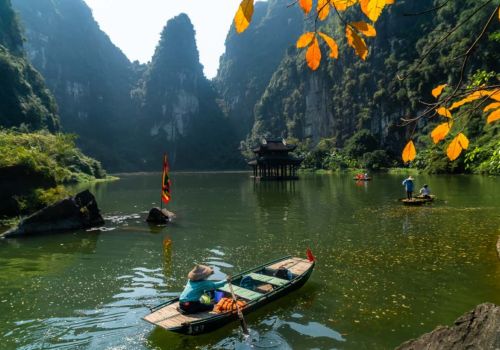
The Son River also looks especially beautiful under the bright summer sun. Boat rides become one of the highlights of a visit, offering panoramic views of towering karst mountains reflected in calm emerald waters. Early mornings often bring gentle mist hovering above the river before the sunshine gradually illuminates the landscape.
Although summer afternoons can become hot, careful planning makes all the difference. Many travelers begin their excursions shortly after sunrise, enjoy cave tours during the warmest part of the day, then relax at riverside cafés before exploring villages or cycling in the cooler evening hours.
Summer is also one of the busiest periods for domestic tourism, particularly during Vietnamese school holidays. Hotels, restaurants, and guided tours remain lively, creating a vibrant atmosphere throughout the town.
.jpg?1782709106254)
September to November: The Lush Green Season
As autumn arrives, Phong Nha enters its rainy season. Frequent showers, occasional tropical storms, and rising river levels transform the national park into one of Vietnam's greenest landscapes.
While some travelers hesitate to visit during this period, the rainy season offers a completely different experience that many nature lovers find equally rewarding.
The forests become incredibly vibrant as rainfall nourishes every corner of the landscape. Moss-covered limestone cliffs, overflowing streams, and mist drifting through mountain valleys create scenery that feels almost prehistoric. For photographers, these dramatic weather conditions often produce breathtaking images impossible to capture during the dry season.
However, flexibility becomes essential when traveling between September and November.
Some cave expeditions, particularly those involving river crossings, jungle trekking, or underground swimming, may be postponed or temporarily suspended if water levels become unsafe. Safety always remains the highest priority for park authorities and tour operators.
Fortunately, not every day experiences heavy rain. There are often long periods of sunshine between showers, allowing visitors to continue sightseeing while enjoying cooler temperatures compared to summer.
Another advantage of visiting during the rainy season is the smaller number of tourists. Popular attractions become much quieter, accommodations often offer attractive discounts, and travelers can enjoy a more peaceful connection with nature.
If your itinerary allows some flexibility and you don't mind occasional rain, autumn can still be an excellent time to discover the remarkable beauty of Phong Nha.
December to January: Cool Weather and Tranquil Landscapes
Winter is the coolest season in Phong Nha, with temperatures generally ranging from 18°C to 24°C (64°F–75°F). Unlike northern Vietnam, where winter can become surprisingly cold, Phong Nha remains pleasantly mild.
The cooler climate makes long walks, cycling tours, and village exploration particularly enjoyable. Travelers can comfortably spend entire days outdoors without worrying about extreme heat or excessive humidity.
Morning fog often settles gently over the rivers and limestone mountains, creating an enchanting atmosphere that feels almost magical. As the mist slowly lifts, sunlight reveals dramatic mountain scenery that attracts landscape photographers from around the world.
Although occasional rainfall remains possible during winter, the weather is generally comfortable for sightseeing. This quieter season also allows visitors to experience local hospitality at a slower pace. Restaurants are less crowded, hotels often provide better rates, and popular attractions can be enjoyed without large tour groups.
For travelers seeking relaxation rather than adrenaline-filled adventures, winter offers an ideal opportunity to appreciate the peaceful side of Phong Nha.
.jpg?1782709120243)
Which Season Is Right for You?
Every traveler has different expectations, which is why there is no single "perfect" time to visit Phong Nha.
If you're looking for the most reliable weather, comfortable temperatures, and ideal conditions for sightseeing, February to April is the clear winner. It combines sunshine, mild temperatures, and beautiful landscapes, making it suitable for almost every type of traveler.
Those who enjoy adventure sports and don't mind tropical heat may prefer May to August, when swimming, kayaking, cave exploration, and outdoor activities are at their absolute best.
Travelers seeking fewer crowds, lush scenery, and excellent photography opportunities may appreciate the rainy season despite its occasional disruptions.
Meanwhile, visitors looking for peaceful holidays, cooler weather, and a more relaxed atmosphere will find December and January surprisingly rewarding.
Final Thoughts
The beauty of Phong Nha lies not only in its extraordinary caves but also in the way the landscape changes with the seasons. From spring's vibrant greenery and summer's crystal-clear rivers to autumn's misty mountains and winter's tranquil countryside, each season reveals a different personality of this UNESCO World Heritage destination.
No matter when you choose to visit, careful planning, flexible scheduling, and a spirit of exploration will ensure an unforgettable journey through one of Southeast Asia's most spectacular natural wonders.
Related Posts

.png)
.png)