



Best Time to Visit Giang River: A Seasonal Guide to Experiencing the Emerald Heart of Western Nghe An
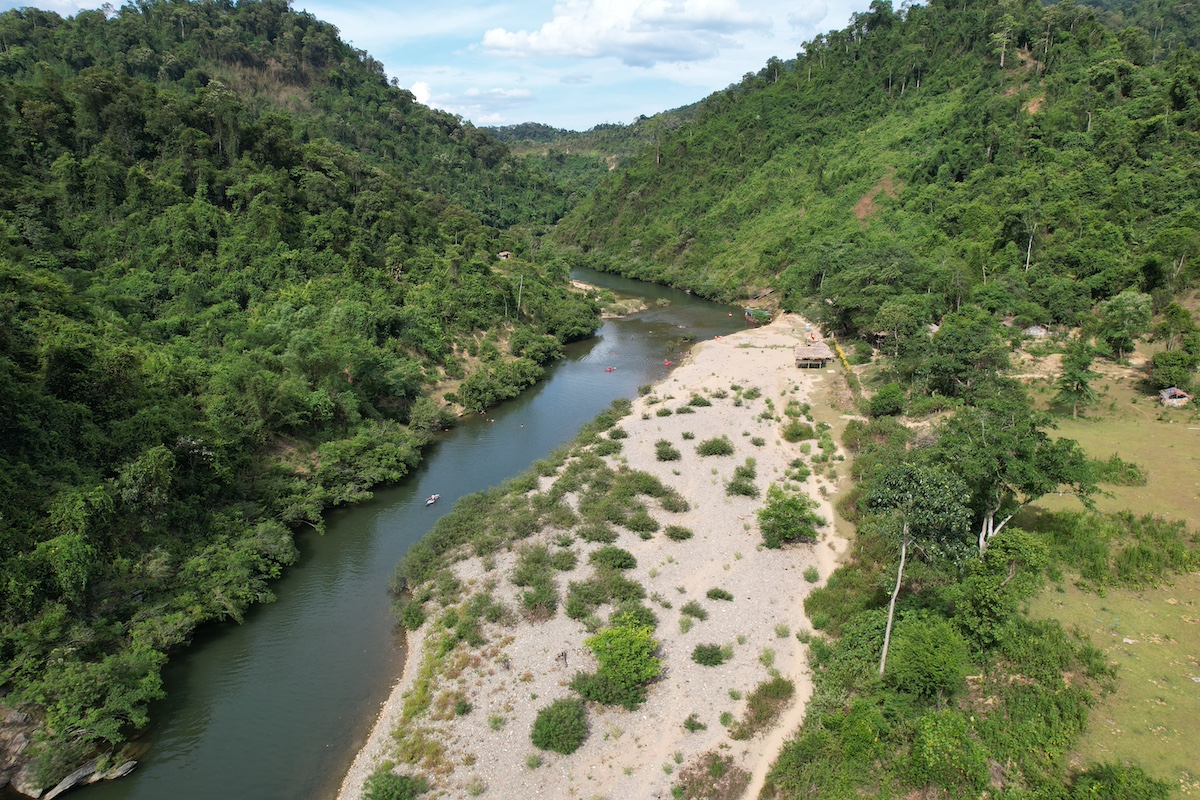
Nestled within the pristine landscapes of western Nghe An Province, Giang River is one of Vietnam's most beautiful hidden gems. Flowing through the lush forests of Pu Mat National Park, this emerald-green river offers visitors an escape into a world of untouched nature, peaceful waterways, and breathtaking mountain scenery. Unlike Vietnam's more famous destinations that attract thousands of tourists every day, Giang River remains remarkably tranquil, making it an ideal destination for travelers seeking authentic experiences and natural beauty.
One of the most common questions among visitors planning a trip is, "When is the best time to visit Giang River?" The answer depends on what kind of experience you're looking for. Each season transforms the river in its own unique way, from vibrant spring forests and crystal-clear waters to misty winter mornings that create an almost magical atmosphere.
Whether you're interested in photography, boat cruises, wildlife watching, or simply relaxing in nature, understanding the seasonal changes will help you make the most of your visit.
Spring (March to May): The Best Time to Visit Giang River
For most travelers, spring is considered the best season to explore Giang River. As winter fades away, the forests surrounding the river awaken with fresh greenery, creating one of the most picturesque landscapes in northern central Vietnam.
Temperatures during these months usually range between 22°C and 30°C (72–86°F), providing comfortable conditions for outdoor activities. Humidity is relatively moderate, while rainfall remains low compared to the summer months, making sightseeing much more enjoyable.
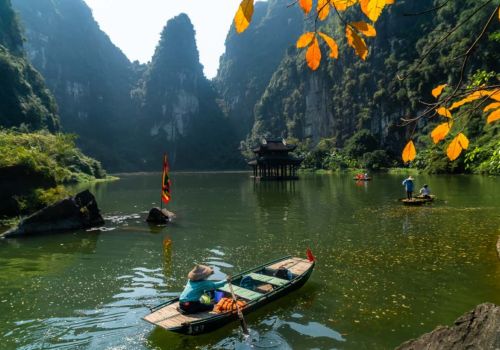
One of the greatest highlights of visiting during spring is the incredible clarity of the river. The water becomes beautifully transparent, reflecting the surrounding mountains and dense tropical forests like a natural mirror. On calm mornings, the reflections are almost perfect, creating dreamlike scenery that photographers will absolutely love.
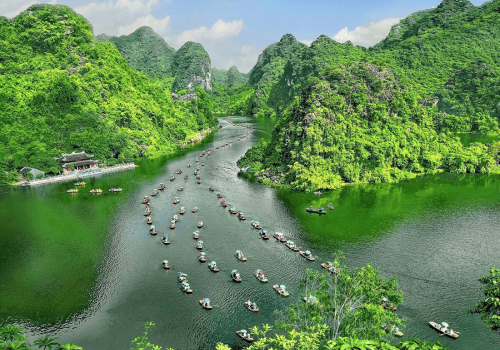
Boat trips are especially enjoyable during this time of year. The gentle weather allows visitors to cruise slowly along the river while admiring towering limestone hills, bamboo forests, and wide gravel beaches that emerge along the riverbanks.
Spring is also when the surrounding vegetation is at its freshest. New leaves cover the forest canopy in vibrant shades of green, while colorful wildflowers bloom along trails and riverbanks. Birds become increasingly active after winter, filling the forest with their songs throughout the day.
For travelers looking to combine comfortable weather, beautiful scenery, and excellent photography conditions, spring is undoubtedly the ideal season.
Summer (June to August): A Vibrant Tropical Paradise
Although summer brings warmer temperatures and occasional rainfall, it also reveals another spectacular side of Giang River.
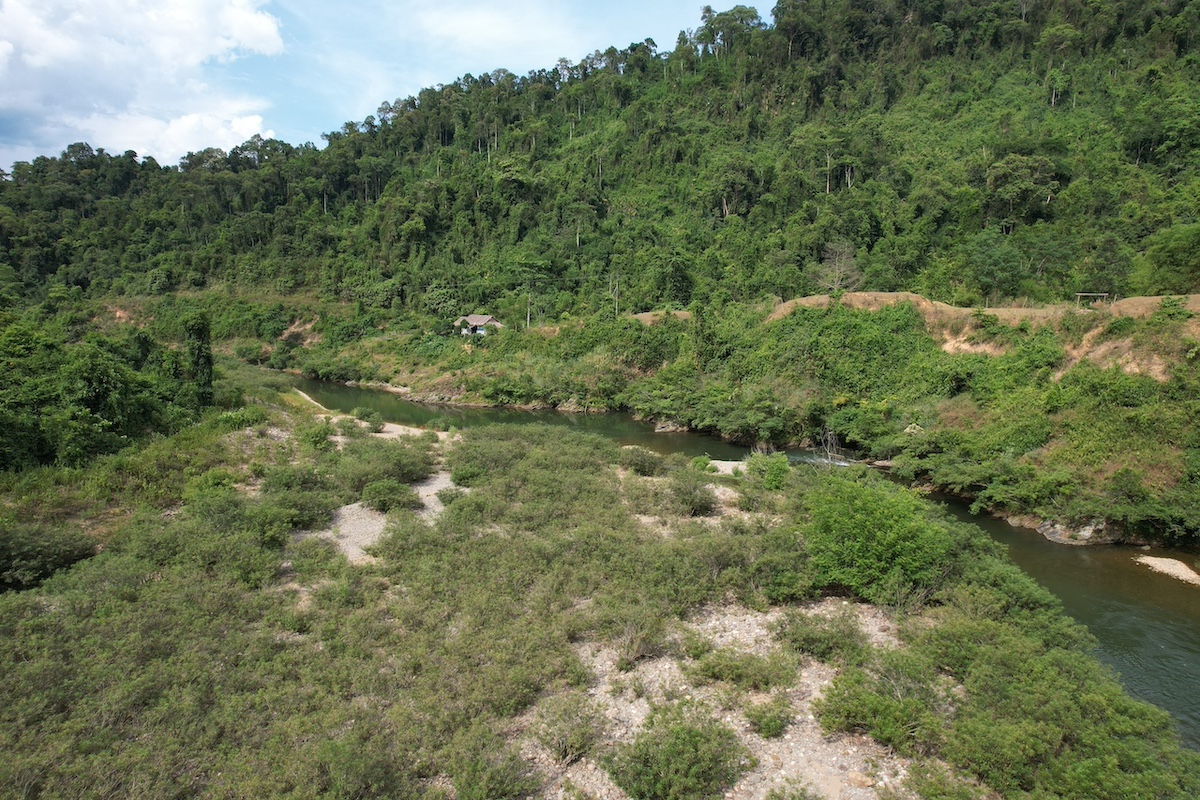
The rainy season breathes new life into the surrounding rainforest. Every hillside becomes covered in lush vegetation, creating an endless sea of emerald green that stretches across the mountains.
Afternoon showers are common during these months, but they rarely last all day. In fact, many visitors find that mornings remain sunny and calm, making early departures the perfect opportunity for river cruises.
The higher water level gives the river a fuller appearance while maintaining its beautiful green color. Small streams and waterfalls flowing into the river become more active after seasonal rains, adding even more beauty to the landscape.
Wildlife activity also increases during summer. Butterflies, dragonflies, and birds become easier to spot around the riverbanks, while the dense forest creates a refreshing atmosphere despite the warmer temperatures.
For photographers, summer offers dramatic contrasts between bright blue skies, white clouds, deep green forests, and sparkling emerald water. Drone photography is particularly rewarding during this season, revealing the winding curves of Giang River cutting gracefully through untouched rainforest.
Travelers visiting in summer should simply prepare for tropical weather by bringing lightweight clothing, sunscreen, a hat, and a waterproof jacket for occasional showers.
Autumn (September to November): Cool Weather and Crystal-Clear Views
Many experienced travelers consider autumn to be one of the most underrated seasons for visiting Giang River.
Following the rainy months, the landscape remains incredibly green, while the weather becomes noticeably cooler and drier. Temperatures typically range between 20°C and 28°C (68–82°F), creating perfect conditions for spending long hours outdoors.
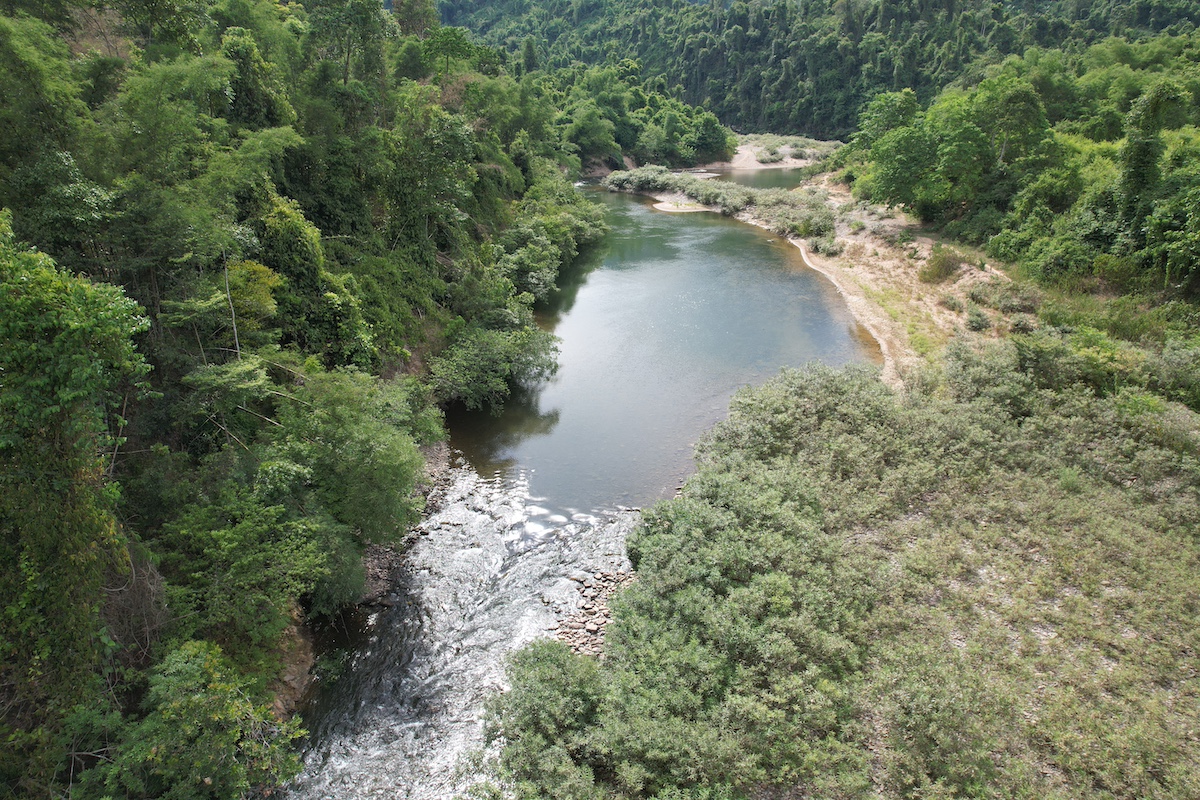
The skies are often clearer than during summer, providing excellent visibility across the river valley. Sunlight becomes softer and warmer, producing beautiful golden reflections on the river's calm surface during sunrise and late afternoon.
Photography enthusiasts particularly appreciate this season because the lighting is ideal throughout most of the day. Whether photographing from the riverbank or capturing aerial views with a drone, autumn consistently produces stunning images.
Boat tours are also extremely comfortable during these months. Gentle breezes, calm water, and pleasant temperatures make it easy to spend several hours exploring the river without feeling overheated.
If you're planning a relaxing nature getaway focused on sightseeing and photography, autumn is one of the finest times to discover Giang River.
Winter (December to February): A Peaceful and Misty Escape
Winter offers an entirely different experience along Giang River.
Although temperatures can drop to around 15–22°C (59–72°F), especially during early mornings, the cooler weather creates a peaceful atmosphere rarely found elsewhere in Vietnam.
One of winter's most captivating features is the morning mist that often drifts gently above the river. As sunlight slowly filters through the forest, the fog creates a mysterious landscape where mountains, trees, and reflections gradually emerge from the white veil.
The silence during winter is remarkable. With fewer visitors, travelers can truly appreciate the sounds of flowing water, birds calling from the forest, and leaves rustling in the breeze.
For those seeking tranquility rather than adventure, winter provides the perfect opportunity to disconnect from busy city life and reconnect with nature.
Although swimming is less appealing during the cooler months, boat cruises remain enjoyable throughout the season.
Sunrise or Sunset: Which Is Better?
While Giang River is beautiful throughout the day, the most magical moments occur during early morning and late afternoon.
Sunrise
Early morning offers calm water, soft golden light, and cool temperatures. Mist often floats above the river, creating spectacular scenes for photographers. Wildlife is also most active shortly after sunrise, making it an excellent time for birdwatching.
The peaceful atmosphere allows visitors to fully appreciate the natural beauty before the day becomes warmer.
Sunset
Late afternoon paints the surrounding mountains with warm orange light while the river reflects shades of gold and emerald. The softer lighting creates beautiful conditions for landscape photography and leisurely boat rides.
Many travelers enjoy ending the day by simply sitting beside the river and watching the changing colors of the sky.
Weather Tips for Visitors
Although Giang River can be visited year-round, checking the local weather forecast before your trip is always recommended.
During periods of heavy rainfall, river levels may rise, and boat schedules can occasionally change. Local operators are experienced in monitoring conditions and will prioritize visitor safety if weather becomes unfavorable.
Comfortable walking shoes are recommended for exploring the riverbanks, while lightweight clothing works well for most of the year. During winter, bringing a light jacket for early mornings and evenings will make your trip much more comfortable.
Don't forget sunscreen, sunglasses, insect repellent, and a reusable water bottle, especially if you plan to spend several hours outdoors.
Choosing the Right Season Based on Your Interests
Different seasons suit different travel styles.
If your priority is the best overall weather, choose March to May or September to November.
If you want to experience the greenest rainforest and dramatic tropical scenery, summer is an excellent choice despite occasional rain.
For photography, spring and autumn provide the clearest skies and most beautiful lighting, while winter offers atmospheric misty landscapes unlike any other season.
Travelers interested in peace and solitude may prefer winter, when visitor numbers are lower and the river feels even more secluded.
Regardless of the season, Giang River's natural beauty remains remarkably consistent, with each month offering its own unique charm.
Why Every Season Reveals a Different Side of Giang River
Unlike destinations that rely on a single "peak season," Giang River rewards visitors throughout the year. Spring showcases fresh forests and crystal-clear water, summer highlights the vitality of the tropical rainforest, autumn delivers perfect weather and exceptional photography opportunities, while winter creates peaceful, mist-covered landscapes that feel almost untouched by time.
This ever-changing scenery is part of what makes Giang River so special. No two visits are exactly alike, and each season reveals new colors, new perspectives, and new experiences waiting to be discovered.
Whether you're cruising quietly along its emerald waters, photographing the winding river from above, or simply enjoying the silence beneath the ancient forest canopy, Giang River offers an unforgettable journey into one of Vietnam's last truly unspoiled natural landscapes.
If you're planning your first visit, March to May and September to November remain the most highly recommended periods, combining pleasant weather, clear river conditions, and breathtaking scenery. Yet no matter when you arrive, Giang River will welcome you with the same timeless beauty that has quietly flowed through the mountains of western Nghe An for generations.
Related Posts
.jpg)
.png)