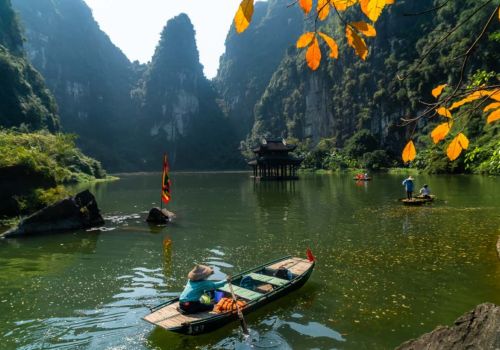




Best Time to Visit Du Gia, Ha Giang: When Northern Vietnam Is at Its Most Magical
Tucked into a quiet valley surrounded by towering limestone mountains and rice terraces, Du Gia in Ha Giang Province is a peaceful village that feels like a world away from the chaos of modern life. It’s a hidden gem on the Ha Giang Loop, and while it’s beautiful year-round, the timing of your visit can completely shape your experience.
Whether you’re chasing golden rice fields, misty mountain mornings, or clear blue skies, knowing the best time to visit Du Gia will help you make the most of your trip.

Du Gia’s Weather at a Glance
Du Gia experiences four distinct seasons, each offering its own charm. The climate here is cooler and more temperate than in southern Vietnam, thanks to the high altitude and mountainous surroundings.
Spring (March to May) – Blooming Beauty and Pleasant Weather
Why Visit:
Spring is one of the best times to explore Du Gia. The weather is mild, skies are clear, and the landscape begins to come alive with wildflowers, new rice shoots, and fresh greenery.
What to Expect:
-
Daytime temperatures between 20–28°C
-
Cool, fresh mornings and evenings
-
Less rain, ideal for motorbike trips and trekking
-
Great for photography and exploring rice terraces before planting season
Vibe: Calm, quiet, and colorful. Nature starts to wake up, and everything feels fresh and full of potential.
Summer (June to August) – Lush Green Landscapes and Waterfalls
Why Visit:
If you're drawn to vivid green rice fields and swimming in cool mountain waterfalls, summer is perfect. This is when the rice paddies are at their fullest and greenest, and the scenery is absolutely breathtaking.
What to Expect:
-
Hot during the day (25–32°C), cooler at night
-
Rain showers, often in the late afternoon or evening
-
Du Gia waterfall is full and great for swimming
-
Slightly more challenging road conditions due to slippery paths
Vibe: Lively and lush. Expect dramatic clouds over the hills and the most vibrant shades of green you’ve ever seen.
Tip: Bring a rain jacket and ride carefully if you’re on a motorbike.
Autumn (September to November) – Golden Season and Clear Skies
Why Visit:
Autumn is considered the most beautiful time to visit Du Gia. The rice is ready for harvest, transforming the valley into a sea of gold under clear blue skies.
What to Expect:
-
Cool, dry weather — ideal for outdoor activities
-
Daytime temperatures between 18–27°C
-
The famous “golden rice terraces” in full glow
-
Crisp, fresh air and stunning sunsets over the mountains
Vibe: Peaceful and picturesque. This is when many travelers fall in love with northern Vietnam.
Tip: Early to mid-September is peak golden season, but book accommodation in advance if you're going around Vietnam’s National Day (September 2), as local tourism spikes.

Winter (December to February) – Quiet Charm and Chilly Nights
Why Visit:
Winter is low season in Du Gia, but that doesn’t mean it lacks beauty. If you love misty mountain mornings, cool weather, and fewer tourists, this season has its own peaceful magic.
What to Expect:
-
Cold temperatures, especially at night (can drop to 5–10°C)
-
Occasional fog and light drizzle
-
Quiet roads and empty trails
-
Ideal for those who enjoy solitude and introspection
Vibe: Slow, moody, and atmospheric. The village feels even more isolated and calm.
Tip: Pack warm layers, especially if you plan to ride a motorbike.

So, When Is the Best Time to Visit Du Gia?
-
For photographers: September (golden season) and May (pre-planting season)
-
For motorbike lovers: Spring and autumn offer the best riding weather
-
For nature lovers: Summer brings full greenery and powerful waterfalls
-
For peace seekers: Winter offers solitude and silence
Final Thoughts
There’s no bad time to visit Du Gia, only different moods to discover. Each season paints this peaceful mountain village in a new light — from golden rice fields to green valleys, misty mornings to star-filled nights. Choose the time that speaks to your travel style, and let Du Gia show you her quiet magic.
Whether you visit in bloom or in mist, one thing is certain: Du Gia doesn’t just impress — it stays with you.
Related Posts
.jpg)
.png)