




Bayon Temple: Discover the Smiling Faces of Angkor Thom
When exploring the ancient temples of Angkor Archaeological Park, one site that truly captures the spirit of the Khmer Empire is Bayon Temple. Located in the heart of Angkor Thom, just north of Angkor Wat, Bayon stands out with its mysterious smiling stone faces and rich historical significance.
If you’re planning a trip to Siem Reap, Cambodia, make sure to add Bayon Temple to your must-see list. Here's everything you need to know to make the most of your visit.
What Is Bayon Temple?
Built in the late 12th to early 13th century by King Jayavarman VII, Bayon was the state temple of the Mahayana Buddhist king and later modified by Hindu and Theravada Buddhist rulers. It represents a blend of religious influences over time, making it one of the most unique and complex temples in Angkor.
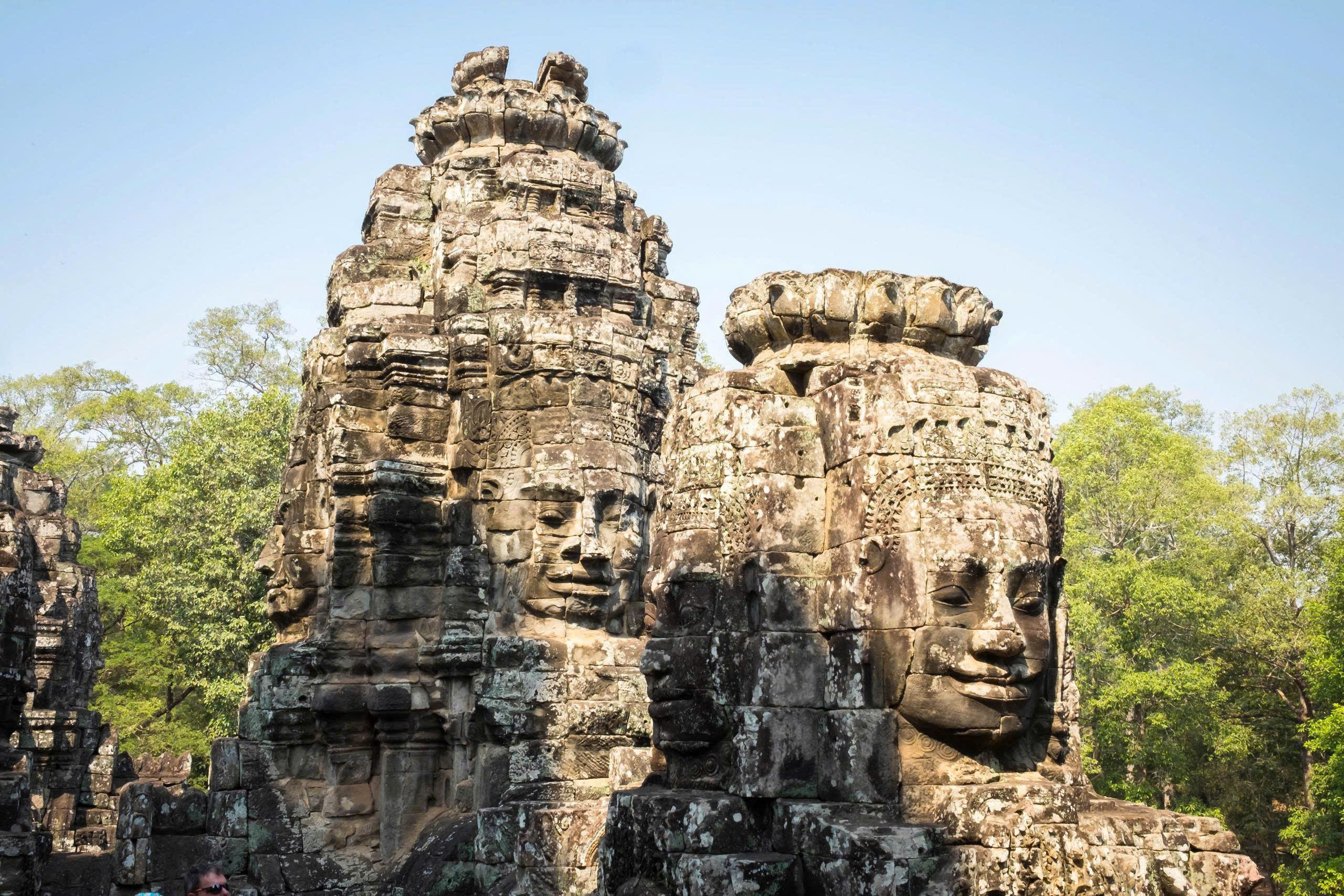
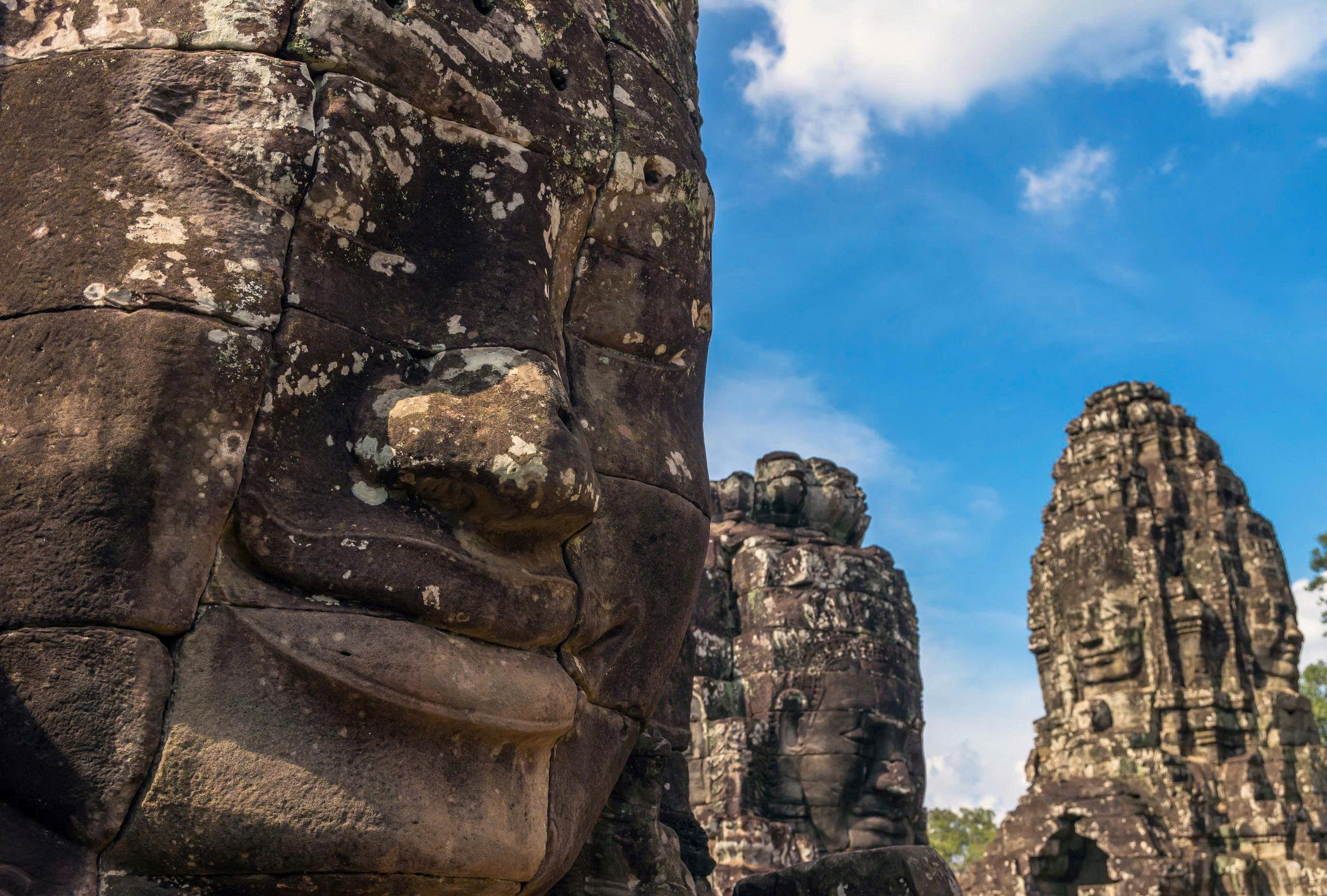
Bayon Temple is best known for its 54 towers adorned with over 200 massive stone faces, all wearing the same enigmatic smile. These faces are believed to represent Avalokiteshvara, the Bodhisattva of compassion, or possibly the king himself.
Top Reasons to Visit Bayon Temple
1. The Iconic Stone Faces
Bayon's towers, each with four carved faces pointing in the cardinal directions, create a mystical atmosphere unlike any other temple. The serene expressions seem to follow you as you explore the maze-like passageways.
2. Intricate Bas-Reliefs
Along the outer gallery walls, you’ll find detailed bas-reliefs depicting everyday life in 12th-century Cambodia, including scenes of markets, warfare, fishing, and celebrations. These carvings offer insight into the Khmer Empire’s culture and daily life.
3. A Photographer’s Dream
The play of light and shadow, the towering faces, and the crumbling stones make Bayon Temple a paradise for photographers. Sunrise or late afternoon offers the best lighting for dramatic shots.
4. Central Location in Angkor Thom
Bayon sits at the exact center of Angkor Thom, the ancient capital city. It’s surrounded by other significant structures like the Elephant Terrace, Baphuon Temple, and the Terrace of the Leper King, making it a central part of your Angkor itinerary.
Best Time to Visit Bayon Temple
The ideal time to visit Bayon Temple is during the dry season (November to March) when temperatures are cooler and skies are clear. For fewer crowds and softer lighting, arrive early in the morning or late in the afternoon.
How to Get to Bayon Temple
Bayon is located about 20 minutes from Siem Reap by tuk-tuk or private vehicle. It’s part of the Angkor Archaeological Park, and you’ll need a valid Angkor Pass (1-day, 3-day, or 7-day) to enter.
Travel Tips for Visiting Bayon Temple
-
Wear comfortable walking shoes, as stone walkways can be uneven.
-
Bring water and stay hydrated, especially during hot weather.
-
Dress modestly to show respect at sacred sites (shoulders and knees covered).
-
Hiring a knowledgeable local guide will enhance your understanding of the site.
Final Thoughts
Bayon Temple is more than just an ancient ruin—it’s a timeless masterpiece of spiritual and architectural expression. From the moment you walk among the stone faces to the moment you leave, Bayon leaves a lasting impression of awe and mystery.
Don’t miss this essential stop on your journey through Siem Reap and the temples of Angkor.
Related Posts
.jpg)
.png)